Best Window Tint for Heat Rejection: Stay Cooler and Protected This Summer
Stepping into a car that has been sitting in the summer sun can feel like opening an oven door. The right window tint changes that. Quality tinting is not only about looks; it keeps your cabin noticeably cooler and shields both you and your interior from the sun. If you are considering window tinting in Cherry Hill, NJ, here is how to choose a film that beats the heat, how it works, and why a professional window tint installation is worth it.
What Makes a Window Tint High-Performance
A high-performance film is defined by its ability to reduce heat while protecting against harmful UV rays. These are not simply dark layers on glass. Advanced nano-ceramic films are engineered specifically for heat rejection, and they deliver several benefits at once:
- Infrared heat rejection. Ceramic films reject a large share of infrared heat, the invisible energy that makes an interior unbearable in summer, without heavily darkening the glass.
- No signal interference. Because the technology is non-metallic, it does not disrupt GPS, cell reception, toll transponders, or Bluetooth devices.
- Strong UV protection. Premium films block nearly all harmful ultraviolet rays, protecting your skin and keeping dashboards, seats, and trim from fading and cracking.
- Durability. A quality ceramic film resists peeling, bubbling, scratching, and discoloration through constant sun exposure.
Types of Window Tint Film
The technology inside the film determines how well it performs. Knowing the main options helps you pick the right fit:
- Ceramic films. The premium choice. They pair excellent heat rejection with clear optics, block nearly all UV rays, resist fading, and do not interfere with electronic signals. If you are weighing your options, it helps to understand how ceramic tint compares to regular tint.
- Carbon films. A sleek matte finish with low glare and solid UV protection at a more moderate price. Their pigments stay stable under sun exposure, so they resist fading well.
- Metalized films. Strong heat and glare blocking from tiny metal particles, but they can interfere with electronics and carry a reflective look. Reflective and metallic finishes are also restricted in New Jersey.
- Dyed films. The most budget-friendly option, but the least durable. They fade faster and offer less heat and UV protection than advanced films.
How Heat Rejection Works
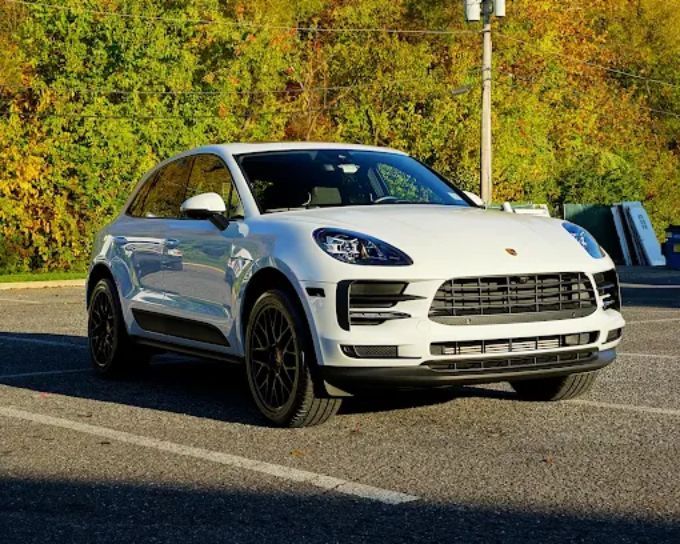
When sunlight hits your windows, it carries more than visible light. It also brings infrared and ultraviolet radiation, and infrared is the main driver of cabin heat. A tint film works by reflecting or absorbing that solar energy before it can turn your interior into a hot box.
High-quality films use ceramic particles that reflect infrared away from the cabin. Because those particles are non-conductive, they do not disrupt your connectivity the way older metallic films can. Alongside this, the film blocks harmful UV rays. The best films balance heat rejection and UV blocking with a comfortable level of visible light, so you stay cool without going completely dark. Think of it as sunglasses for your car, shielding it from harsh rays while you still see clearly through the glass.
The Numbers That Actually Matter
When you compare films, look past the darkness level and focus on three measurements. Understanding them is the key to choosing a film that truly keeps you cooler:
- Total Solar Energy Rejected (TSER). This is the big-picture number, the share of the sun's total energy the film keeps out. It is the best single measure of how much cooler a film will help your cabin feel, so it deserves the most weight in your decision.
- Infrared Rejection (IR). Infrared is the part of sunlight you feel as heat, so a film's ability to reject it directly affects comfort. Strong infrared rejection is where quality ceramic films pull ahead of basic ones.
- Visible Light Transmission (VLT). This describes how much visible light passes through, in other words, how dark the film looks. A lower VLT is darker, but darkness alone does not equal heat rejection. This is why a lighter film with high TSER and IR can keep you cooler than a darker, cheaper one.
Reading these together, rather than judging a film by how dark it looks, is what leads you to the right choice.
Summer Benefits and Interior Protection
The advantages of a good tint go well beyond comfort:
- A cooler cabin. By slowing heat transfer through the glass, quality tint keeps the interior meaningfully cooler and removes that oven-hot surprise when you open the door.
- Interior preservation. UV radiation fades upholstery, dulls colors, and dries out leather and vinyl until it cracks. Blocking the majority of those rays protects your interior and helps preserve resale value. It acts like a sunscreen layer that works all day with no effort on your part.
- Reduced strain on your AC. When the cabin stays cooler on its own, your air conditioning does not have to work as hard, which can support better efficiency and, for electric vehicles, less load on climate control.
- Privacy and less glare. Modern films reduce glare and add privacy without the heavily darkened look, improving comfort and easing eye strain on bright days.
Choosing the Right Tint
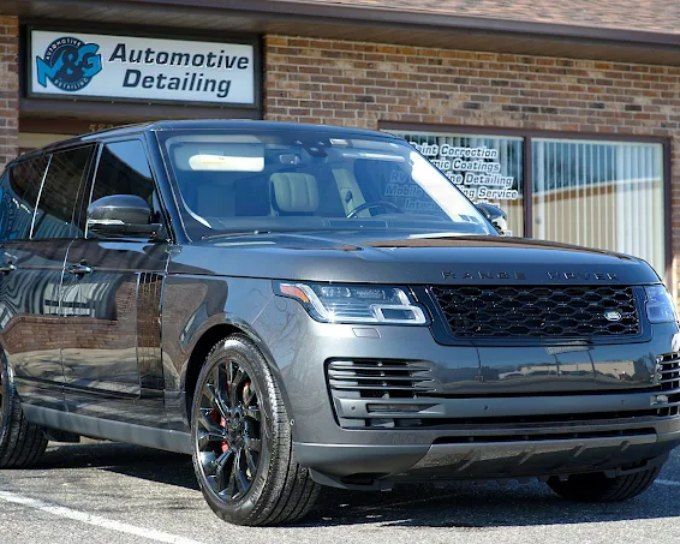
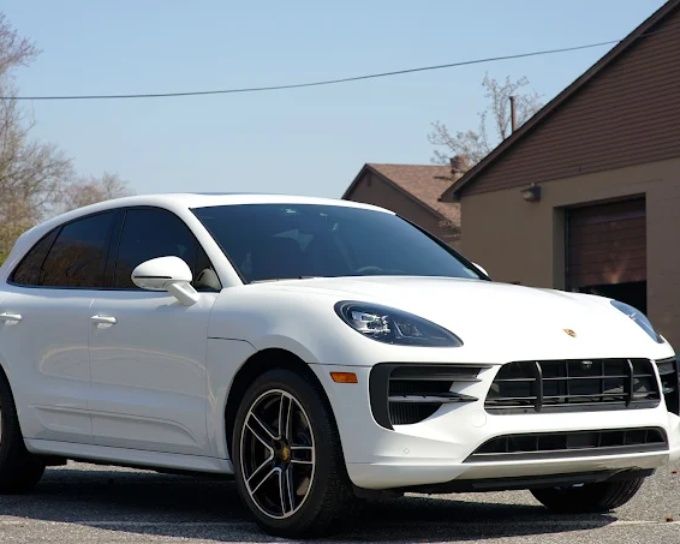
A few factors should guide your decision:
- Material type. Weigh ceramic, carbon, metalized, and dyed films against your priorities for heat rejection, UV protection, clarity, durability, and cost. Ceramic offers the strongest all-around performance.
- New Jersey tint law. The state has specific rules on tint darkness and placement, with stricter limits on the windshield and front side windows and restrictions on reflective or metallic finishes. Reviewing New Jersey's tint regulations beforehand, or working with an installer who knows them, keeps your vehicle compliant and helps you avoid costly corrections later.
- Budget. Premium films cost more upfront but last longer and hold their performance. Cheaper options can peel, bubble, or fade sooner, leading to early replacement that erases the initial savings.
- How you use your vehicle. Daily commuters often prioritize maximum heat and UV rejection for long hours on sunny roads, so matching the film to your driving habits helps you get the most value.
Why Professional Installation Matters
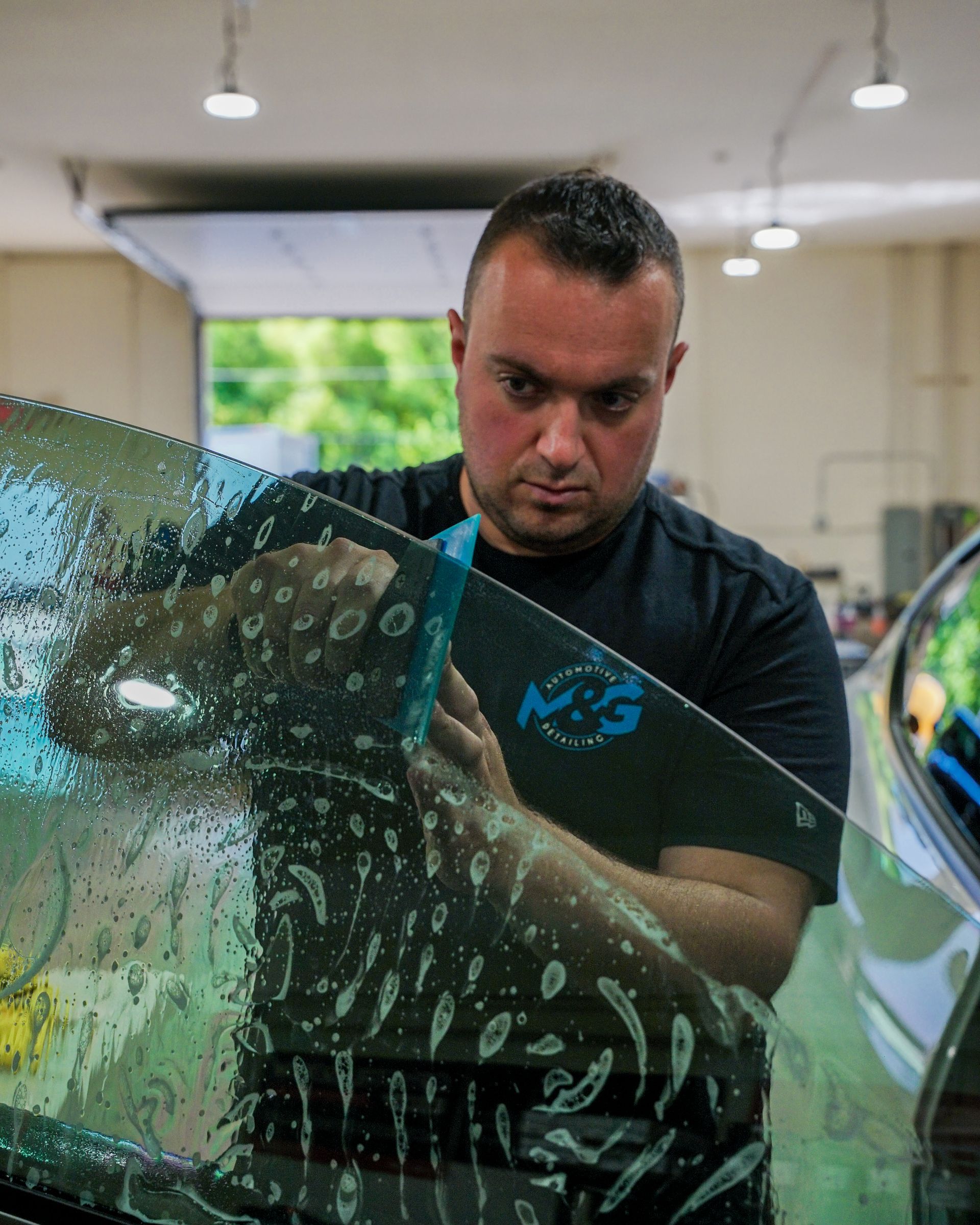
Installing tint well is a precise process, and expert application makes a real difference. For window tinting in Cherry Hill, NJ, a trained installer handles every curve and contour of the glass, preventing the bubbles and wrinkles that hurt both appearance and heat-rejection performance.
After application, patience protects your investment. The film needs a few days to cure, so avoid rolling the windows down or exposing them to moisture too soon. For ongoing care, clean the glass with a soft microfiber cloth and a mild, ammonia-free solution. Common ammonia-based cleaners can break down the adhesive and dull the film over time. Periodic inspections also help, catching minor edge peeling or bubbling early so your tint keeps performing at its best.
Stay Cooler This Summer With a Trusted South Jersey Specialist
M&G Automotive Detailing serves Cherry Hill and the surrounding South Jersey area, installing premium ceramic window tint with certified, expert care built for our climate. To beat the heat this summer, request a quote or schedule a no-pressure consultation. Call M&G Automotive Detailing at (866) 927-4208 or fill out our quote form to get started.
Frequently Asked Questions
Does darker window tint always mean better heat rejection?
No. Heat rejection depends far more on the film's technology than its color. Some lighter ceramic films reject more infrared heat than darker dyed films, so the right choice is about what is inside the film, not just how dark it looks.
Which window tint provides the best heat rejection?
Ceramic and nano-ceramic films lead the way. Their microscopic particles block infrared heat without darkening your view, and they also block nearly all harmful UV rays while keeping the glass clear.
How long does a quality window tint last?
A premium ceramic film installed by professionals holds its performance for years. Cheaper films tend to fade, bubble, or peel sooner, which is why film quality and expert installation matter so much.
Will window tint interfere with my phone or GPS?
Not with non-metallic ceramic films, which are designed to preserve signal strength. Older metalized films are the ones that can cause GPS or reception issues.