Window Tint Percentages: How to Choose the Right Shade for Your Car
Deciding how dark to tint your windows is about more than looks or privacy. The shade you choose affects how cool your cabin stays, how clearly you see at night, and whether your car stays on the right side of the law. With so many options and rules to weigh, the decision can feel confusing, but understanding how tint percentages work makes it far simpler. If you are considering a professional window tint installation, here is what the numbers mean and how to pick a shade that fits your vehicle, your driving, and New Jersey law.
What a Tint Percentage Actually Means
The number on a window tint refers to Visible Light Transmission, or VLT. VLT describes how much visible light the film allows through the glass, and the scale is easy to read once you know the rule:
- A higher percentage is a lighter film that lets more light in. A film near the top of the scale looks close to clear.
- A lower percentage is a darker film that lets less light through. A very dark "limo" shade blocks most of the visible light.
In short, the lower the number, the darker the film. This scale is the foundation for every other choice, because the percentage you pick shapes your privacy, glare control, visibility, and the overall look of your car.
Why Percentage Alone Does Not Tell the Whole Story
Here is the point many drivers miss: a film's darkness does not determine how much heat it rejects or how good the film is. Two films with the same VLT can perform very differently depending on the technology inside them.
- Older dyed films rely mainly on darkness. They absorb light and can still let a lot of heat build up inside.
- Ceramic and carbon films reject infrared heat while keeping good clarity, so a lighter film of this type can actually keep you cooler than a darker, cheaper one.
A darker window, in other words, is not automatically a cooler or higher quality one. If comfort in the heat is your goal, it helps to understand how to choose a film for heat rejection rather than judging by shade alone. Film technology and professional installation matter just as much as the percentage.
How Different Shades Affect Your Drive
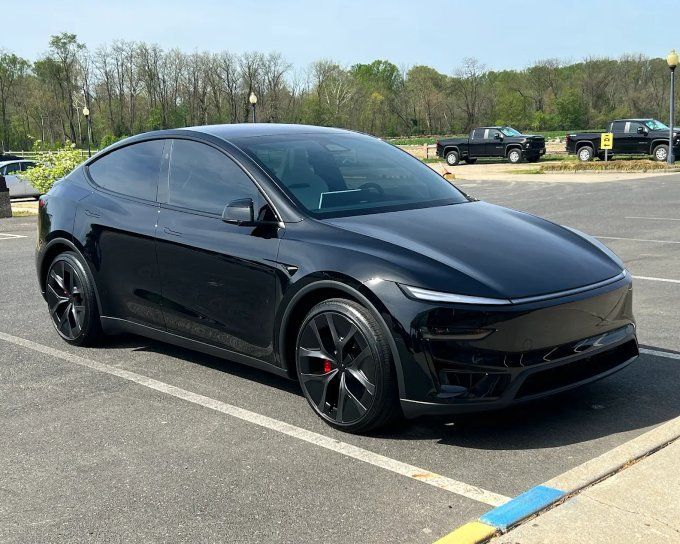
Once you understand the scale, think about what you want the tint to do. Every shade comes with trade-offs:
- Privacy. Darker films limit the view into your vehicle, which many drivers value for security and peace of mind. Lighter films offer less.
- Glare. A medium to darker shade softens harsh sunlight and oncoming headlights, easing eye strain on bright days and long drives.
- Visibility. Lighter and mid-range films keep a clear view, while very dark films can make low-light and nighttime driving more difficult.
- Appearance. Shade also shapes your car's style. A darker tint can give a sleek, uniform finish, while a lighter one keeps a more natural look. The best match often depends on your vehicle's color and the effect you want.
Choosing a Shade for Each Window, and Staying Legal
Different windows call for different thinking, and New Jersey law sets firm limits. The state prohibits aftermarket tint on the windshield and front side windows, while allowing any darkness on the rear side windows and rear window. That makes the rear glass where most drivers focus their privacy and heat goals.
Because the rules are strict and violations carry fines, it is worth reviewing New Jersey's tint regulations before you decide, or working with an installer who knows them well. For window tinting in Voorhees, NJ, and the surrounding area, the team at M&G Automotive Detailing helps drivers choose a legal, well-matched shade and applies it cleanly, without bubbles or peeling.
What to Weigh for Day and Night Driving
Your typical driving conditions should guide how dark you go.
- If you often drive after dark or on poorly lit roads, a lighter or mid-range shade keeps enough light coming in for safe visibility.
- If most of your time behind the wheel is in bright daytime sun, a darker rear-window shade can cut glare and heat without touching the front visibility the law protects.
A film that feels perfect at noon can feel too dark at midnight, so it is smart to picture both before committing. Mid-range shades are popular precisely because they balance daytime comfort with nighttime clarity.
How a Professional Consultation Helps
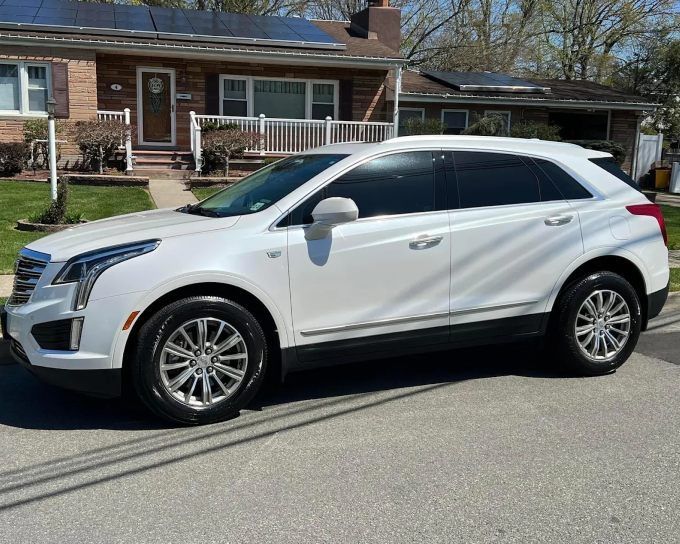
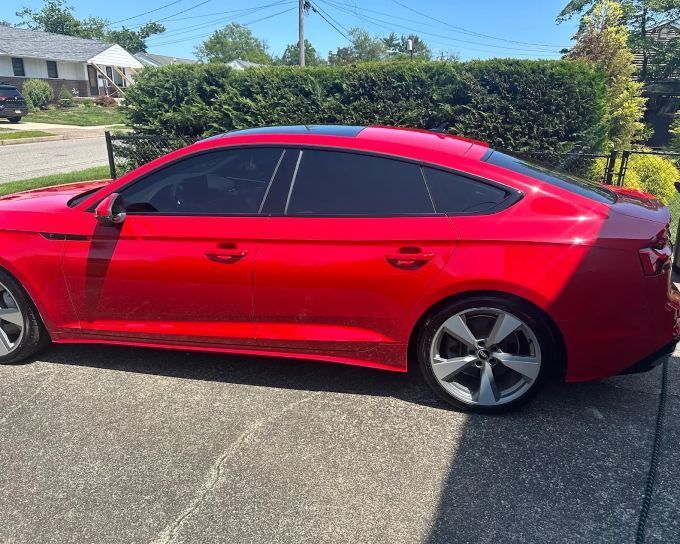
With so many factors in play, a short conversation with an experienced installer removes the guesswork. A professional can look at your vehicle, ask how and where you drive, and recommend a shade and film type that fit your goals while keeping you compliant with New Jersey law. They can also explain the differences between film technologies, so you are paying for real performance rather than just a darker window. Expert installation then ensures the film goes on cleanly and lasts, without the bubbling or peeling that comes with a rushed job.
Find Your Perfect Tint With a Trusted South Jersey Specialist
M&G Automotive Detailing serves Cherry Hill, Voorhees, and the surrounding South Jersey area, installing premium window tint with certified, expert care. To find the right shade for your vehicle, request a quote or schedule a no pressure consultation. Call M&G Automotive Detailing at (866) 927-4208 or fill out our quote form to get started.
Frequently Asked Questions
What does a window tint percentage mean?
A tint percentage refers to Visible Light Transmission (VLT), which is how much visible light the film lets through. A higher percentage is a lighter film, and a lower percentage is a darker one.
Does a darker tint block more heat?
Not necessarily. Heat rejection depends on the film's technology, not just its darkness. A quality ceramic or carbon film can keep your cabin cooler than a darker, lower-grade film.
What window tint is legal in New Jersey?
New Jersey prohibits aftermarket tint on the windshield and front side windows, while allowing any darkness on the rear windows. Checking the current rules, or asking a professional before you tint, helps you avoid fines.
How do I choose the right shade for night driving?
If you regularly drive at night or on dimly lit roads, a lighter or mid-range shade preserves visibility. Very dark films can make it harder to see in low light, so match the shade to your typical conditions.