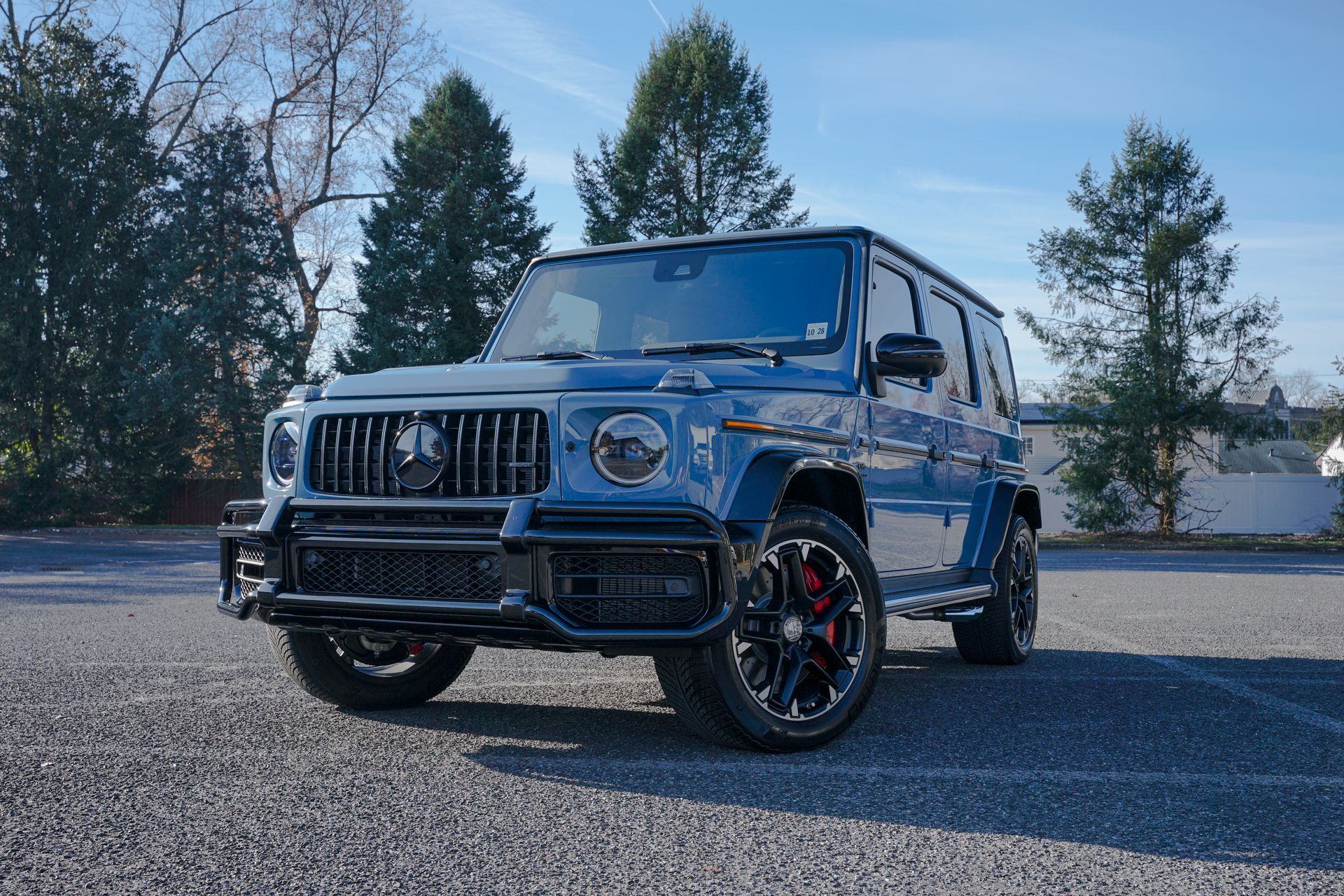
If you care about how your car looks and lasts, you've probably wondered how to protect its paint without constant attention. Paint protection film, or PPF, answers that question directly. More than a clear cover, it's a durable, nearly invisible shield that fights scratches, chips, and UV damage every day. For owners who take pride in their vehicles, it offers something straightforward: real protection that works hard without getting in the way.
Understanding Paint Protection Film
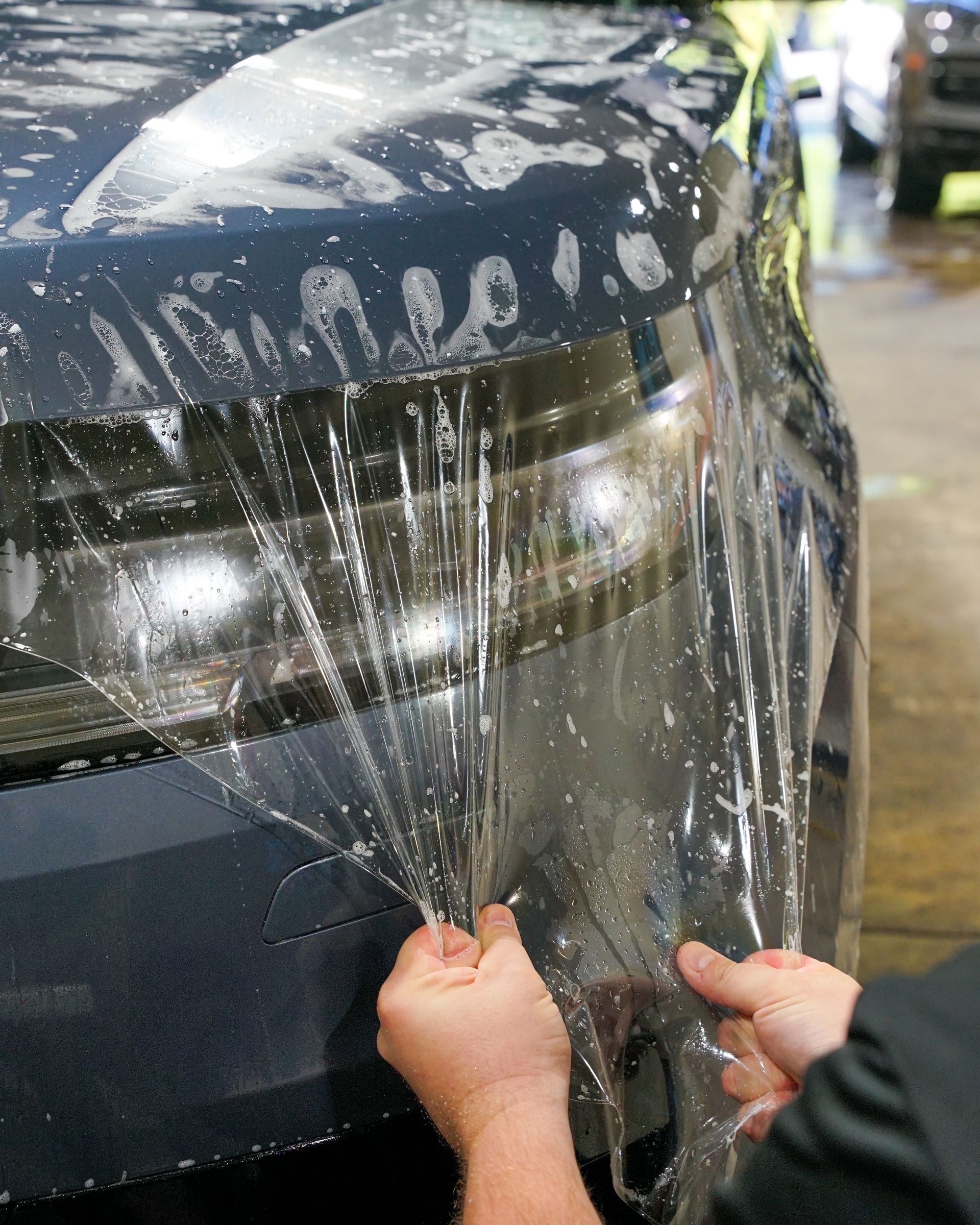
PPF, also referred to as clear bra installation, is a carefully engineered protective layer made from thermoplastic polyurethane, a material valued for its elasticity and toughness. Premium film is notably thicker than your vehicle's paint layer, creating a meaningful buffer against everyday road hazards.
Quality PPF includes a self-healing topcoat. Minor scratches and swirl marks fade when the surface is exposed to heat from sunlight or warm water, with no polishing required. The film also blocks a significant portion of UV rays, helping prevent paint fading and keeping your vehicle's color looking vibrant over time.
Because PPF absorbs impact from gravel, debris, and minor contact, the original paint underneath stays intact. Vehicles with clean, well-preserved paint consistently hold stronger resale appeal than those showing years of chips and surface wear.
Scratch, Chip, and Contaminant Protection
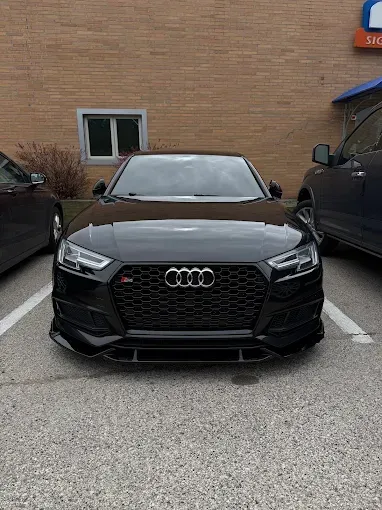
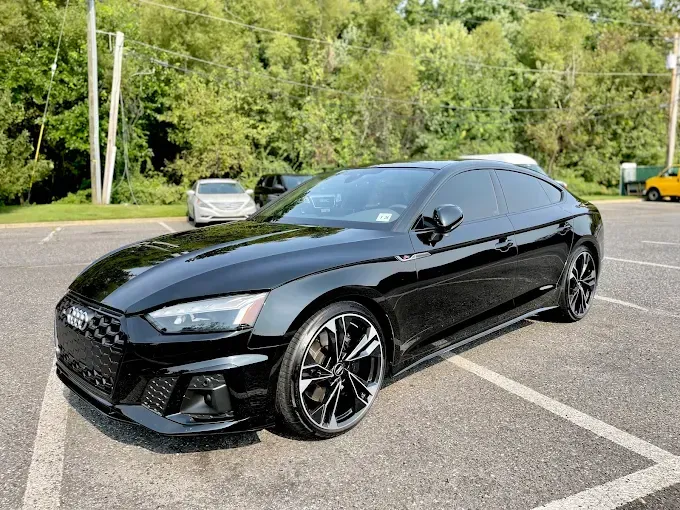
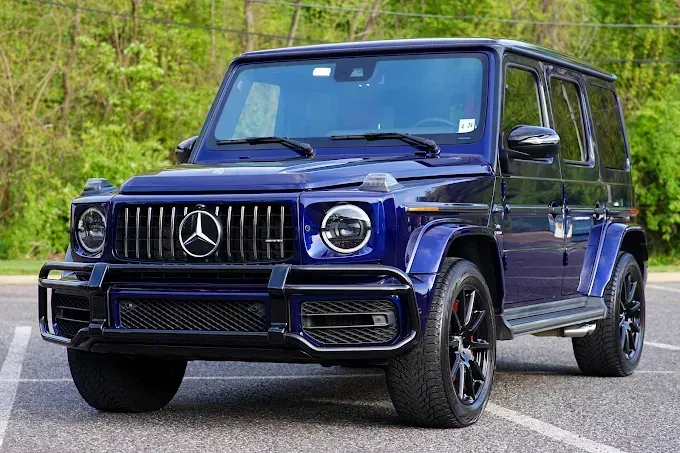
PPF's multi-layer construction delivers reliable paint chip protection at every level: a secure adhesive bonds to your paint, a resilient polyurethane core absorbs impact, and a self-healing topcoat recovers from surface abrasion. High-impact zones including front bumpers, hoods, side mirrors, door edges, and headlights benefit most. Full-vehicle coverage is also available for owners who want protection across every panel.
PPF also guards against corrosive contaminants. Bird droppings, tree sap, and road chemicals can etch into paint quickly if left unaddressed. The film acts as a barrier, reducing the risk of permanent damage from these common hazards.
Appearance and Maintenance
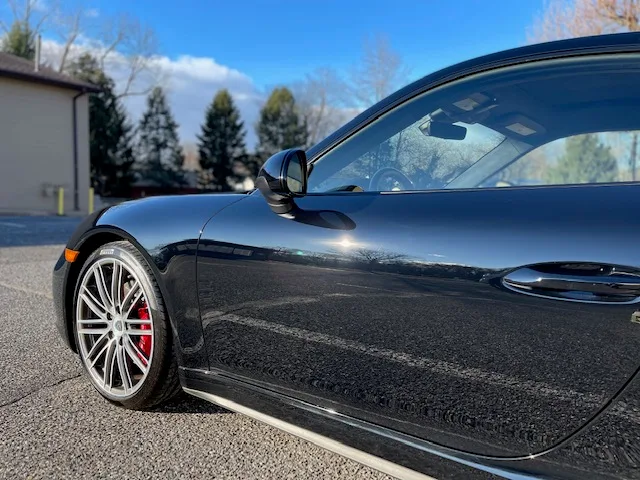
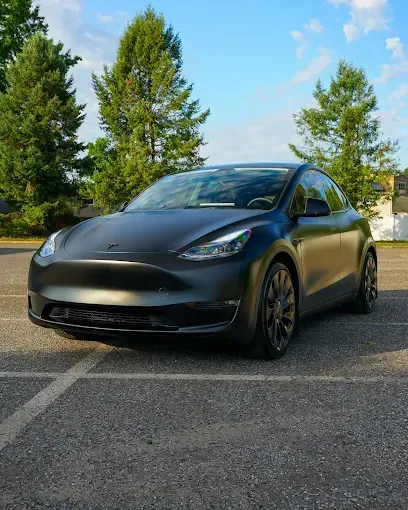
Quality PPF does more than protect; it enhances. The film's outer layer amplifies gloss and gives paint a cleaner, more refined clarity. Matte and satin finish options are also available for owners who prefer that look, without sacrificing protection. Self-healing properties reduce the need for corrective polishing over time.
Keeping PPF in good condition is straightforward:
- Wash with mild soap and a soft microfiber cloth and avoid abrasive products
- Rinse thoroughly and keep high-pressure water away from film edges
- Blot dry rather than rub, and apply spray wax periodically for added protection
- Remove bird droppings, tree sap, and insect residue within 24 hours
- Avoid tunnel car washes with rotating brushes; hand or touchless washing is best
- Inspect film edges monthly and contact your installer if you notice any lifting
Longevity and What Affects It
PPF's lifespan depends on two things: film quality and installation precision. Premium TPU-based films with ceramic-infused topcoats maintain hydrophobic and self-healing performance significantly longer than lower-grade alternatives, which are more prone to yellowing or peeling under road salt, heat, and UV stress.
Even quality film underperforms if installation is handled poorly. Proper application requires thorough surface preparation, a clean and controlled environment, and careful edge tucking to prevent lifting. To get the most from your investment, start with a professional paint correction, choose custom-cut film over pre-cut kits, and follow consistent maintenance with pH-neutral products.
PPF as Part of a Complete Care Plan
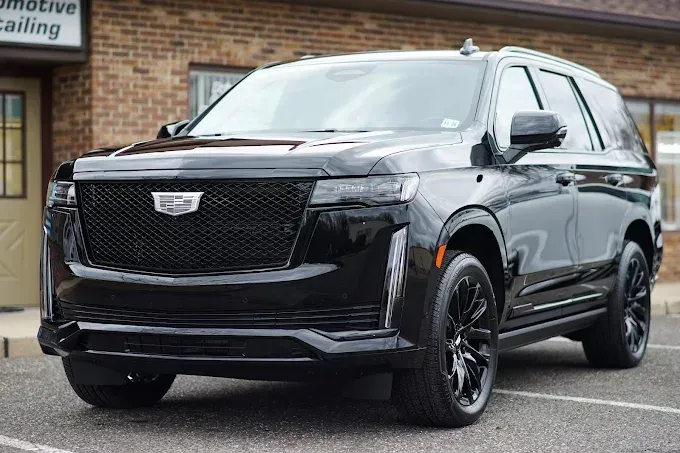
PPF performs best as one layer in a broader vehicle care strategy. Paint correction before installation ensures the film is applied to a flawless surface, because PPF preserves whatever is underneath it. Ceramic coating applied over PPF adds hydrophobicity on top of the film's physical protection, making the surface easier to clean and maintain. Regular professional detailing keeps the full system performing, catching early signs of wear and ensuring the paint beneath stays in peak condition.
For drivers seeking PPF in Haddonfield, NJ, and surrounding South Jersey communities, this integrated approach delivers consistent, long-term results without adding complexity to a busy schedule.
What to Expect From Professional Installation
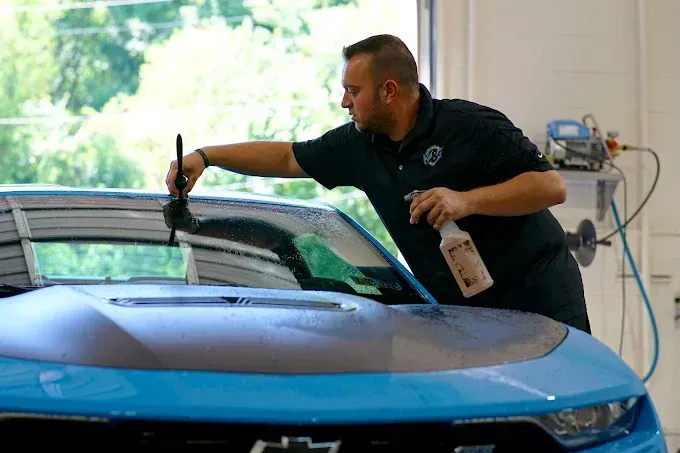
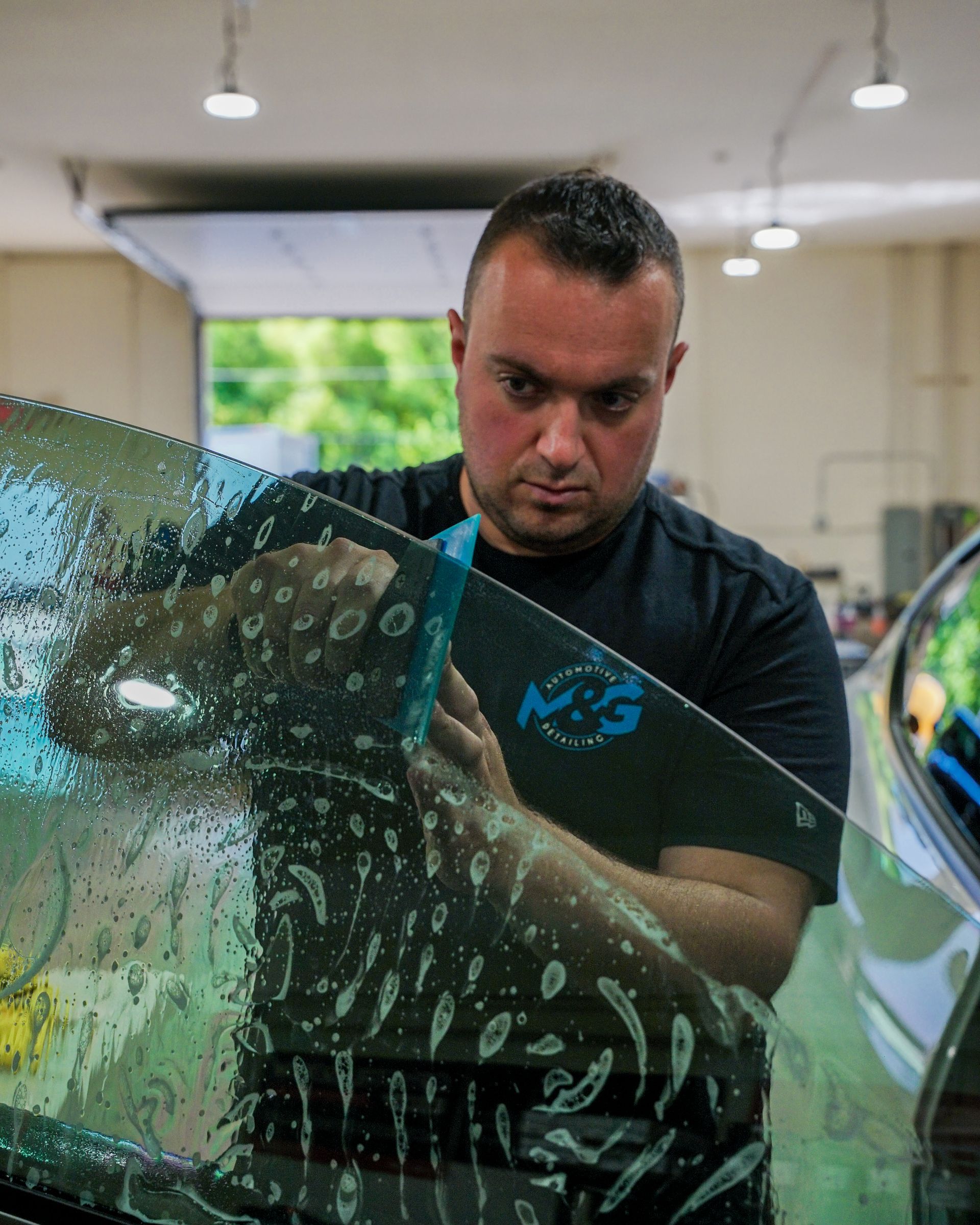
Understanding why professional installation matters starts with the process itself. Installation begins with surface decontamination and paint correction when needed. Film is then custom-cut to your vehicle's exact panels and applied by hand in a controlled environment. A curing period follows before the vehicle should be washed or exposed to harsh conditions, allowing the adhesive to bond fully. Professional installations include workmanship coverage, so edge lifting or bubbling due to installation issues is addressed. That accountability is part of what separates a lasting result from a DIY attempt.
The Financial Case for PPF
PPF delivers long-term value in three ways. First, it reduces repair costs by minimizing paint touch-ups, panel corrections, and corrective detailing sessions over the life of the vehicle. Second, it preserves resale value, as clean, chip-free paint consistently commands stronger trade-in and private-sale prices. Third, it simplifies ongoing maintenance because the hydrophobic surface repels dirt and contaminants, reducing cleaning effort and frequency between professional visits.
Protect Your Vehicle the Right Way
At M&G Automotive Detailing, we work with owners who take their vehicles seriously. Our team is certified in PPF installation and ceramic coating application, uses premium products, and works in a clean, controlled facility. We take the time to walk you through your options before any work begins. No pressure, no guesswork, just honest guidance and quality workmanship.
Request a quote online or call (609) 923-3123. We serve Cherry Hill, Haddonfield, Moorestown, Mount Laurel, Medford, Marlton, Voorhees, and surrounding South Jersey communities.
Frequently Asked Questions
What types of damage does PPF protect against?
PPF guards against rock chips, road debris, minor scratches, bug splatter, bird droppings, and UV exposure. It acts as a sacrificial layer so your paint stays intact underneath.
How does PPF preserve a vehicle's appearance over time?
By preventing chips and surface etching from ever reaching the paint, PPF keeps your vehicle looking consistent and well-maintained. The self-healing topcoat handles minor marks on its own, reducing the need for corrective detailing.
Is PPF a sound long-term investment?
For most owners of newer, higher-value, or regularly driven vehicles, yes. Reduced repair costs and stronger resale appeal typically make the investment worthwhile over the vehicle's life.
How long does PPF last and what does upkeep involve?
Quality film that is professionally installed can provide reliable protection for many years. Upkeep is simple: pH-neutral soap, soft microfiber cloths, prompt contaminant removal, and monthly edge inspections.
Do I need both PPF and ceramic coating?
They serve different purposes and work well together. PPF provides physical impact protection and ceramic coating adds a hydrophobic surface layer that repels water and contamination. Combined, they offer the most complete protection available.
What does professional installation involve?
Surface decontamination and paint correction come first, followed by custom-cut film application in a controlled environment, and a curing period after. Professional installations include workmanship coverage, so results that fall short due to installation issues are made right.
Which areas benefit most from PPF?
Front bumpers, hood leading edges, side mirrors, door edges, rocker panels, and headlights see the greatest daily wear and benefit most. Full-vehicle coverage is available for owners who want uniform protection across every panel.