How Auto Window Tinting Supports Better Interior Material Preservation
Your car's interior faces a daily battle against the sun, even when the vehicle is parked. Fading seats, cracked dashboards, and dried-out leather do not happen overnight; they accumulate gradually through repeated exposure to sunlight, heat, and ultraviolet radiation. Auto window tinting is more than an aesthetic upgrade. It serves as a practical, long-term protective barrier that shields your car's interior from some of the most common and costly forms of deterioration. If you want to extend the life of your vehicle's cabin without spending heavily on repairs or replacements down the road, quality window tinting is where that protection starts.
The Role of Auto Window Tinting
When sunlight passes through unprotected car windows, it delivers more than warmth. It carries ultraviolet (UV) radiation that silently breaks down the materials inside your vehicle over time. Fabrics fade, dashboards crack, and leather dries out because UV rays degrade the molecular structures that keep these surfaces supple and vibrant. Left untreated, this damage builds steadily until what was once a clean, comfortable interior becomes brittle and worn.
Window tint films work as a nearly invisible shield between the sun's energy and your car's interior surfaces. By blocking a significant portion of UV radiation, tint slows the rate at which seats, trim, plastics, and dashboard components deteriorate. Advanced films also filter infrared radiation, which is the primary source of heat buildup inside a vehicle. When interior temperatures stay lower, materials are less prone to the expansion and contraction cycles that cause warping and cracking over time. A cooler cabin also means the air conditioning system does not have to work as hard, which reduces fuel consumption and lowers wear on AC components over time.
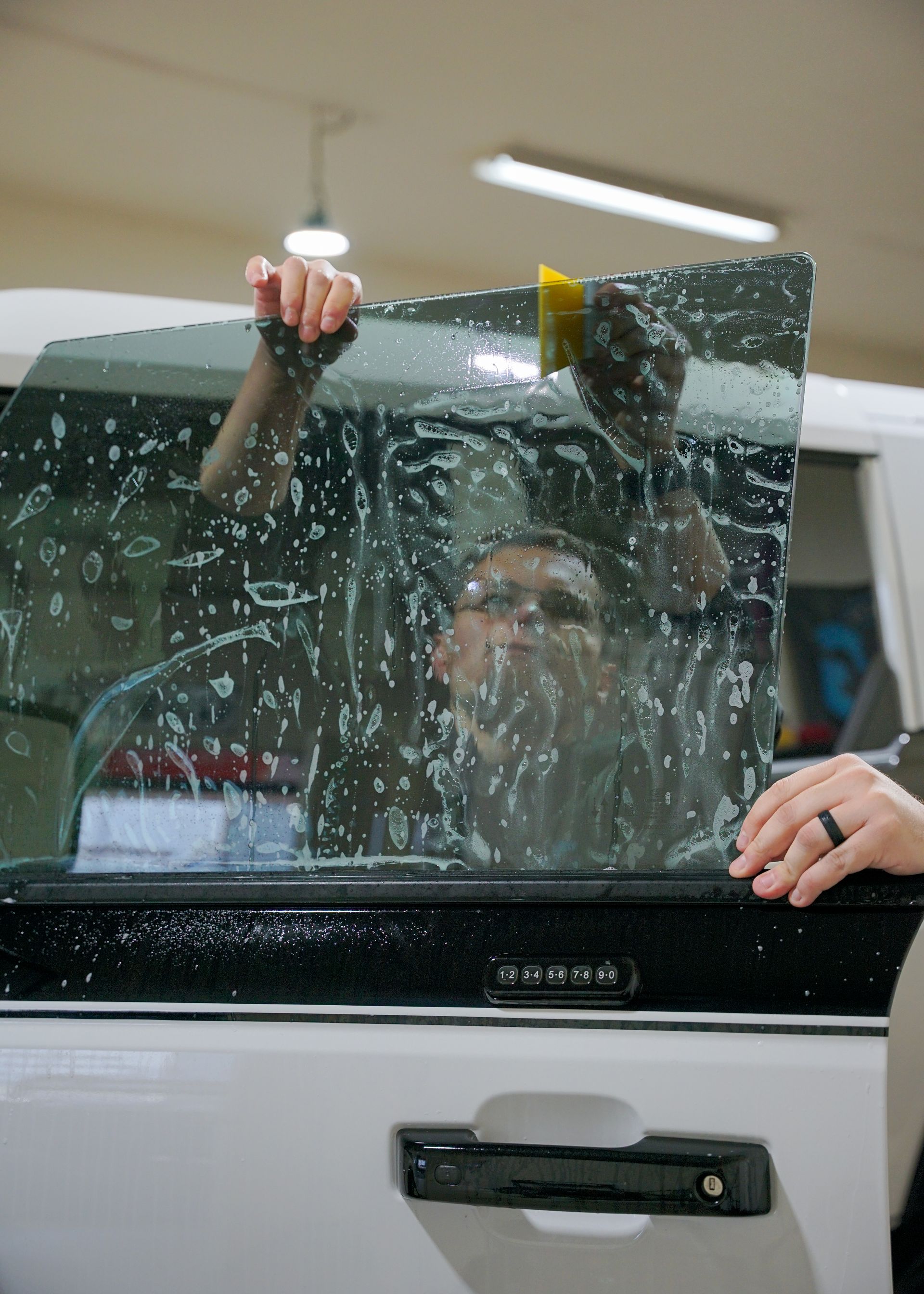
Protection Against UV Rays and Heat
UV radiation is the leading cause of interior fading and material breakdown in vehicles. While windshields typically offer some built-in UV filtering, side and rear windows often allow far more radiation through, leaving seats, door panels, and trim directly exposed. Over months and years, this exposure causes leather to crack, fabrics to discolor, and plastic surfaces to become brittle and chalky.
Professional-grade window films are capable of blocking up to 99 percent of both UVA and UVB rays, preserving the integrity of materials that would otherwise degrade far sooner. Leather seats rely on retained moisture and natural flexibility to stay in good condition. Consistent UV exposure draws that moisture out and accelerates surface cracking, which is expensive to repair. Tinted windows dramatically slow that process by keeping radiation out from the start.
Heat compounds this damage significantly. On a hot day, cabin temperatures can climb to levels that cause leather to stiffen, vinyl to warp, and plastics to fade and become fragile. High-quality ceramic and carbon films block a substantial portion of the infrared radiation responsible for this heat buildup, keeping interior temperatures noticeably lower even during peak summer conditions. That reduction in thermal stress preserves the condition of every surface inside the vehicle. There is also a personal health benefit worth noting: UV-blocking film reduces the cumulative sun exposure that drivers and passengers receive through side windows during daily commutes, which adds up considerably over time.
Enhanced Privacy and Security
Window tinting provides a meaningful layer of privacy that many vehicle owners overlook. By limiting visibility into the cabin from outside, tinted windows reduce the likelihood that valuables left inside will attract attention. A bag, a device, or any other item on a seat becomes far less visible to someone scanning parked vehicles, removing the visual prompt that often leads to break-ins. A potential thief who cannot clearly see what is inside a vehicle is less likely to act, and that uncertainty alone is often enough to redirect attention elsewhere.
Privacy also improves everyday driving comfort. Many drivers appreciate moving through busy areas or parking in public without feeling exposed. It is important to choose a tint level that complies with local regulations, as each state sets its own limits on window darkness. A professional installer will measure visible light transmission carefully to ensure your vehicle meets those legal requirements while still delivering the protection and privacy you need. Premium films also offer a structural benefit: in the event of an accident or forced entry, quality tint film helps hold shattered glass together rather than allowing it to scatter, reducing injury risk and slowing unauthorized entry.
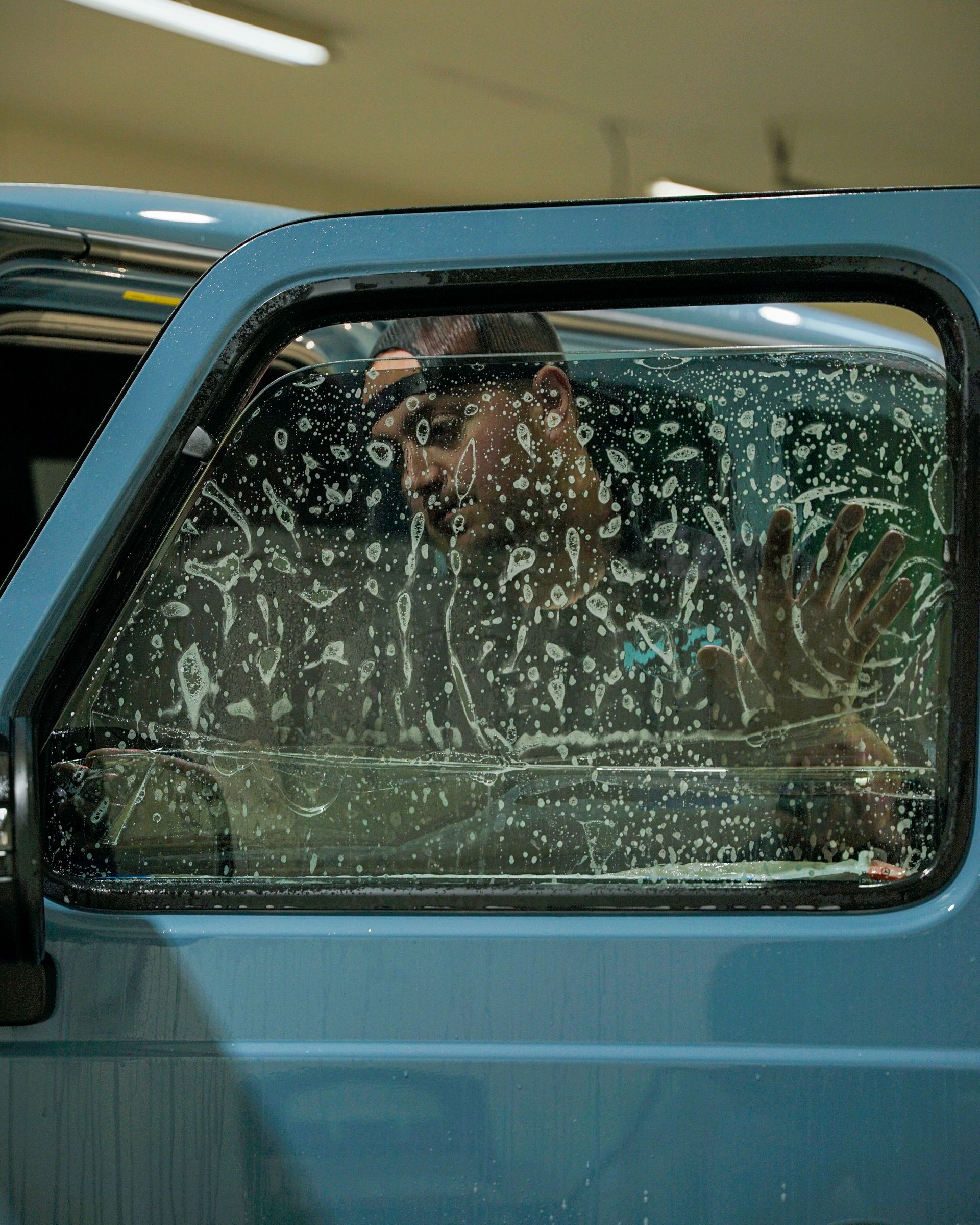
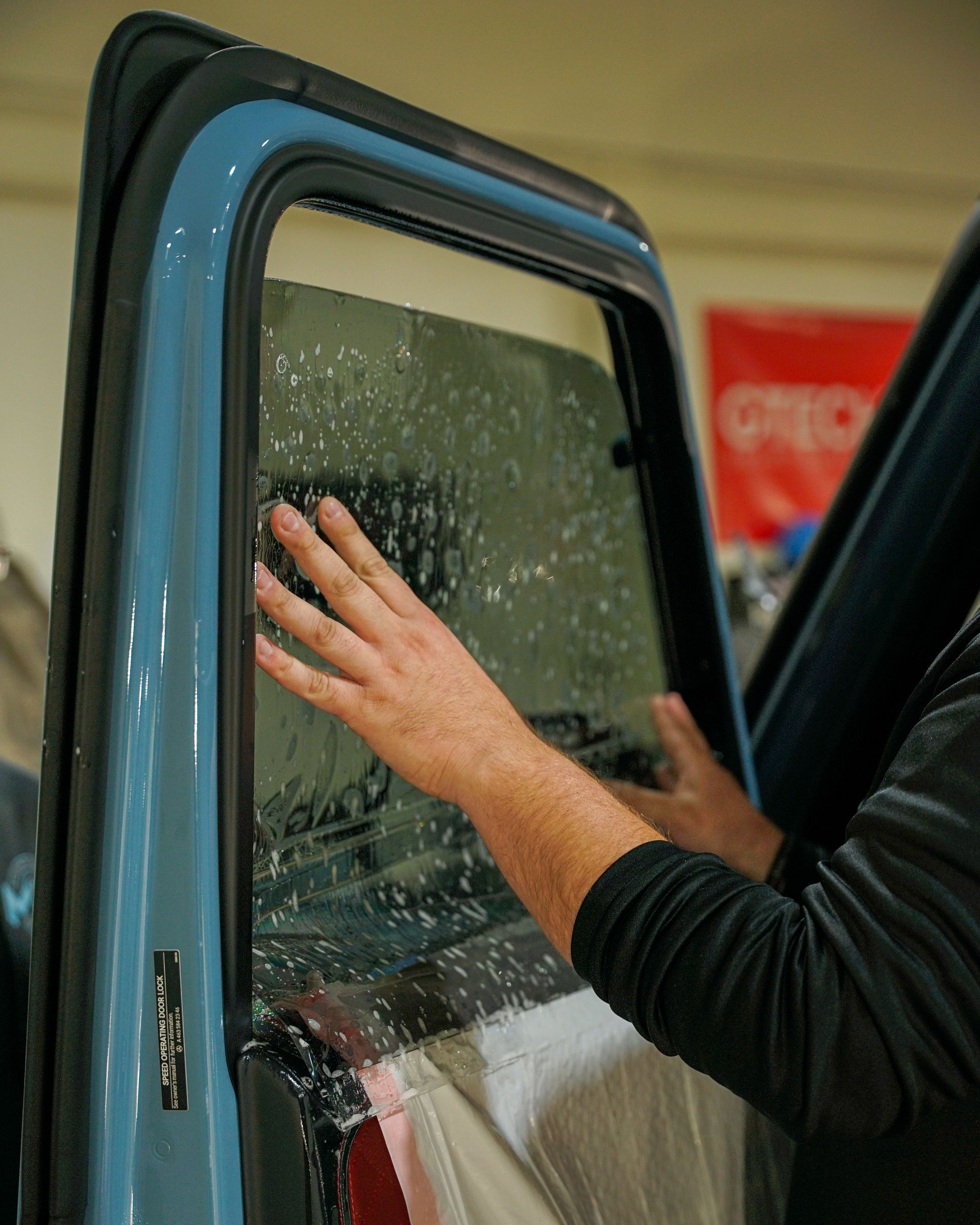
Choosing the Right Tint and Caring for It
Not all window films perform equally, and the right choice depends on your priorities, your climate, and your budget. Ceramic films represent the premium tier, offering the highest combination of UV protection, infrared heat rejection, and longevity without any risk of interference with GPS or electronic signals. They are the ideal choice for drivers in hot, sunny climates who want the most comprehensive protection available.
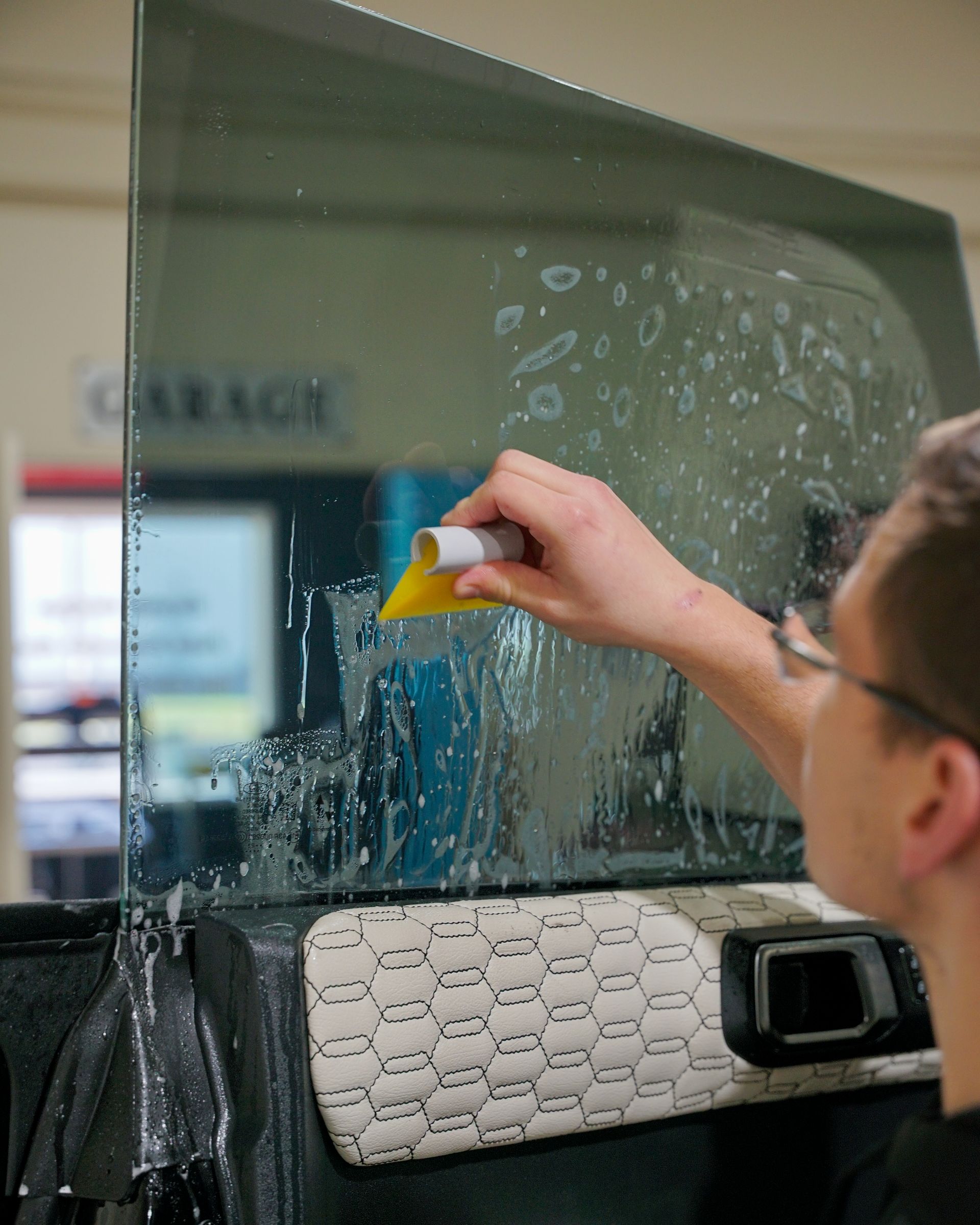
Carbon films offer a solid middle-ground option, providing strong UV blocking and meaningful heat rejection at a lower price point, though they may introduce a slight visual haze under certain lighting conditions. Dyed films are the most affordable option but deliver the most limited protection. They provide basic glare reduction and some UV filtering but fall well short of ceramic or carbon films when it comes to blocking heat, and they tend to fade faster over time. Regardless of which film type you choose, professional installation is essential. Even the best film will underperform if applied unevenly or if it develops bubbles or peeling edges.
Maintaining tinted windows is straightforward. Use gentle, ammonia-free cleaning products applied to a soft microfiber cloth. Ammonia-based cleaners break down the film's adhesive layer over time, leading to bubbling and peeling. Avoid abrasive materials of any kind, as even a rough paper towel can create microscopic scratches that accumulate and dull the film's clarity. Periodic inspection of the edges and corners helps catch early signs of peeling before they require a more involved repair.
Top Auto Window Tinting Services in Cherry Hill, NJ
Daily sun exposure can quietly take a toll on your vehicle’s interior, leading to fading, dryness, and long-term wear. At M&G Automotive Detailing, our auto window tinting services are designed to help Cherry Hill, NJ drivers reduce heat buildup and block harmful UV rays before they cause damage. With careful installation and high-quality film options, we help preserve the look and feel of your interior while improving overall comfort behind the wheel. If you are ready to keep your cabin cooler and better protected,
reach out to our team today to get started!