The Role of Professional Ceramic Coating in Long-Term Surface Stability
Think of ceramic coating as a smart shield for your car's paint, one that does not just sit on the surface but actually bonds with it to keep your vehicle looking fresh and protected for years. Unlike wax, which needs frequent reapplying and can leave your paint vulnerable, ceramic coatings offer a tougher, longer-lasting defense against everyday threats like sun exposure, dirt, and general surface wear. If you have ever wondered why some cars maintain that showroom shine despite harsh weather and constant driving, there is a good chance they are using this advanced protective layer. This article breaks down how ceramic coating works and why it is worth considering if you want to keep your car's finish looking great over time.
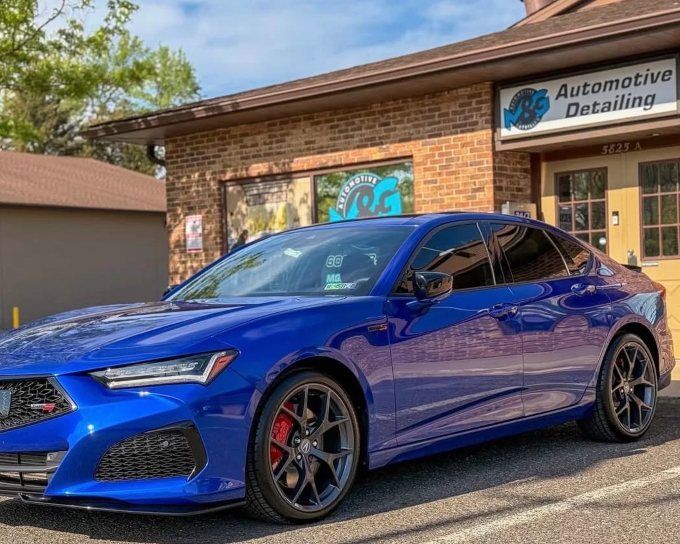
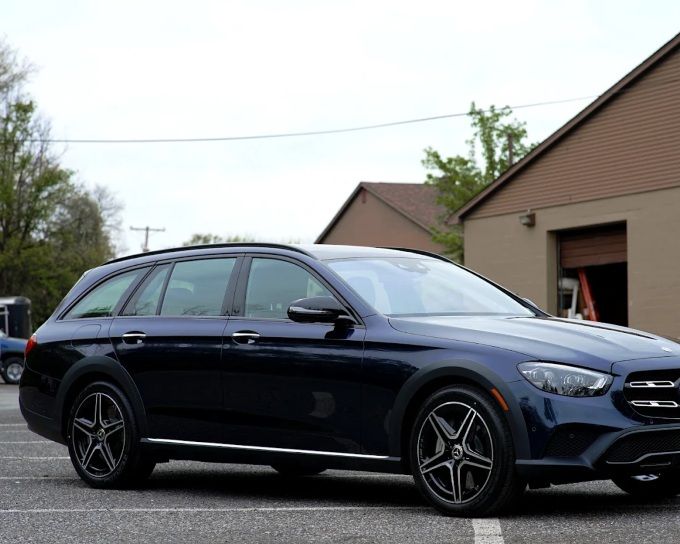
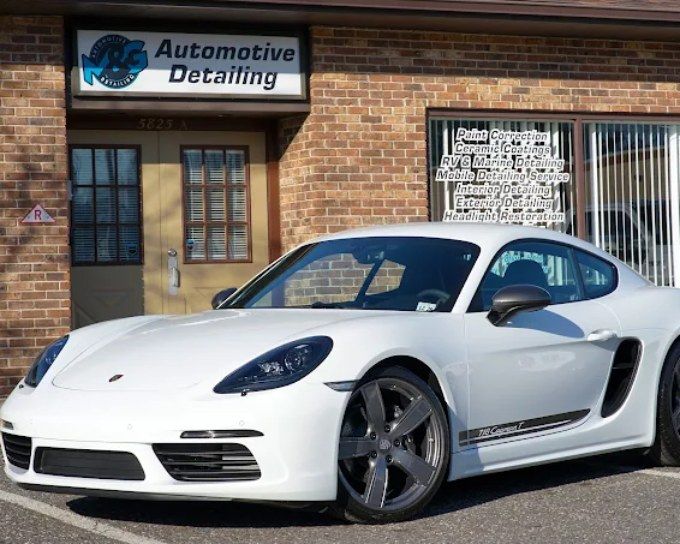
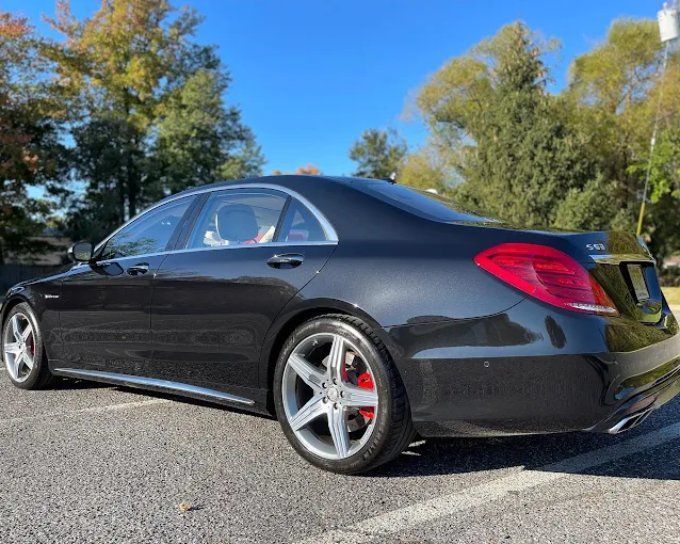
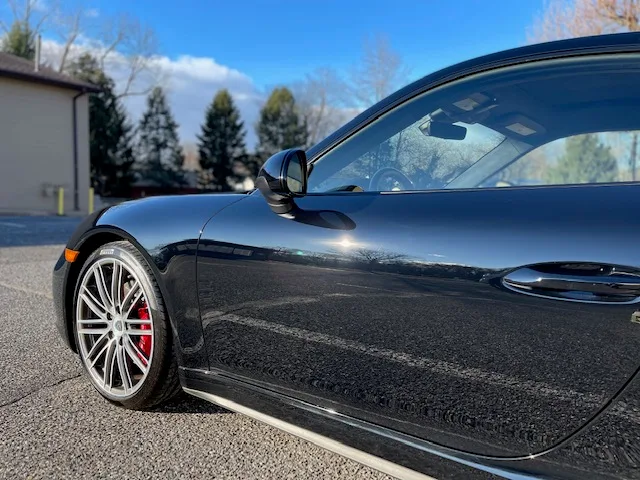
Ceramic coating plays a crucial role in enhancing long-term surface stability by forming a durable, chemically bonded layer over a vehicle's clear coat. This protective layer guards against environmental damage such as UV radiation, chemical contaminants, and physical wear. It also provides hydrophobic properties that repel water and dirt, reduces surface wear during cleaning, and maintains gloss and color vibrancy for several years when properly applied and maintained.
The Basics of Ceramic Coating
Ceramic coating is a liquid polymer that, once applied to a vehicle's surface, bonds chemically with the factory clear coat. This process creates a tough and durable layer that serves as a resilient form of protection for your car's paint against everyday hazards.
Unlike traditional waxes or sealants that merely sit on top of the surface and wash away quickly, ceramic coatings form a long-lasting bond, making them far more effective at preserving the integrity of the paint over time. What makes ceramic coatings especially powerful is their chemical composition, primarily silicon dioxide or occasionally titanium dioxide. These nanoparticles provide exceptional hardness, often rated between 7 and 9 on the Mohs scale. In practical terms, this means your vehicle's paint becomes more resilient against contaminants and the demands of everyday driving.
Another key benefit is the hydrophobic nature of ceramic coatings. Water and dirt have trouble sticking to a coated surface. Raindrops bead into tight spheres that roll off easily, taking grime and mud along with them. This effect not only helps keep your car cleaner longer but also reduces how often you need to wash it. Less frequent washing means less wear on the paint from friction, which further contributes to long-term surface stability.
It is important to note that while ceramic coatings are remarkably durable, they are not invincible. Routine maintenance washes combined with occasional reapplications of specialized toppers help sustain their protective qualities over time. Without this care, even the strongest coatings will gradually lose effectiveness due to continued exposure and wear. Professional application also plays a critical role in achieving optimal performance. Proper surface preparation, including thorough cleaning and sometimes paint correction, ensures that the ceramic coating bonds evenly and deeply with the clear coat. This contrasts with many DIY kits where such meticulous prep is often skipped, leading to diminished longevity and uneven protection.
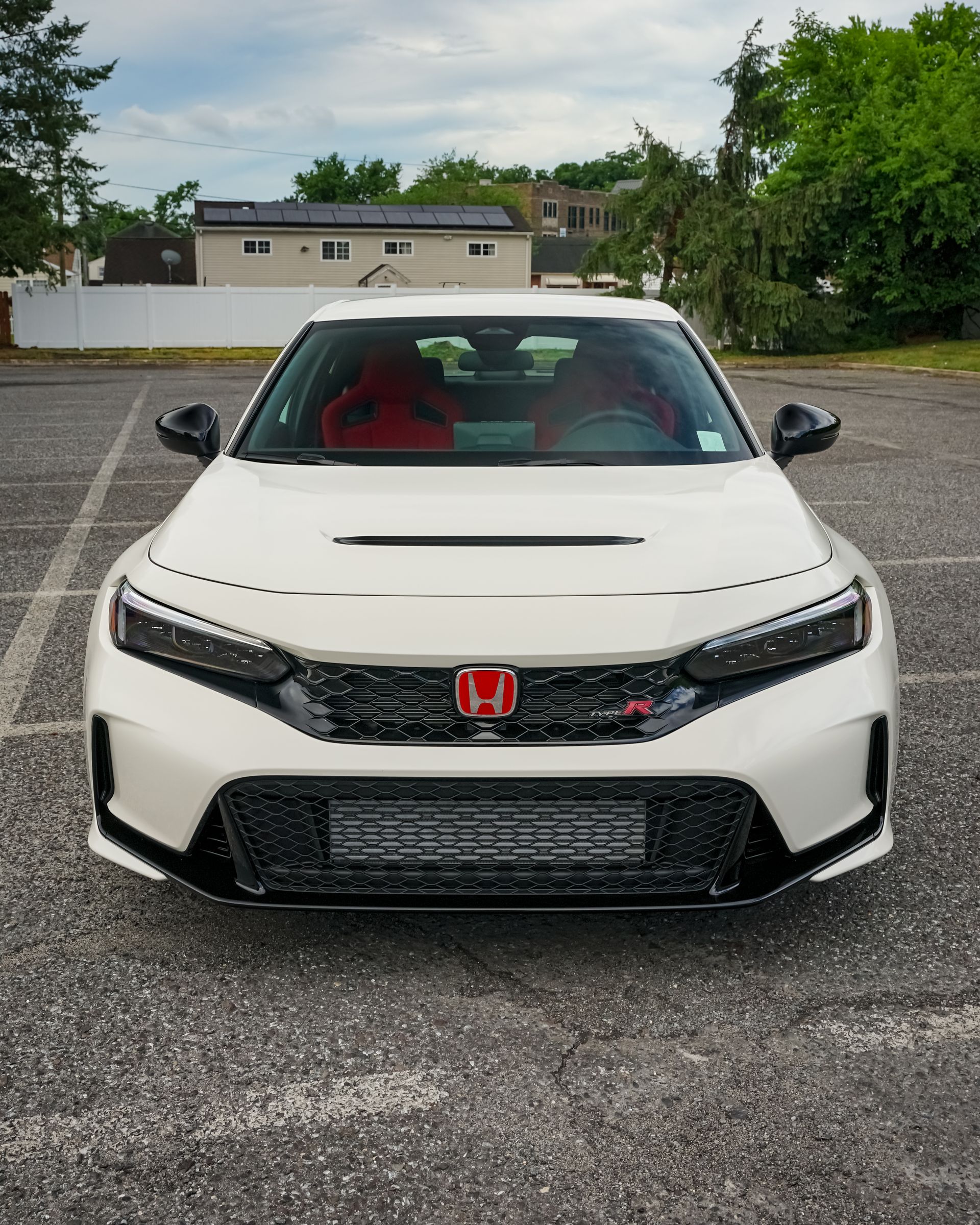
Application Process and Techniques
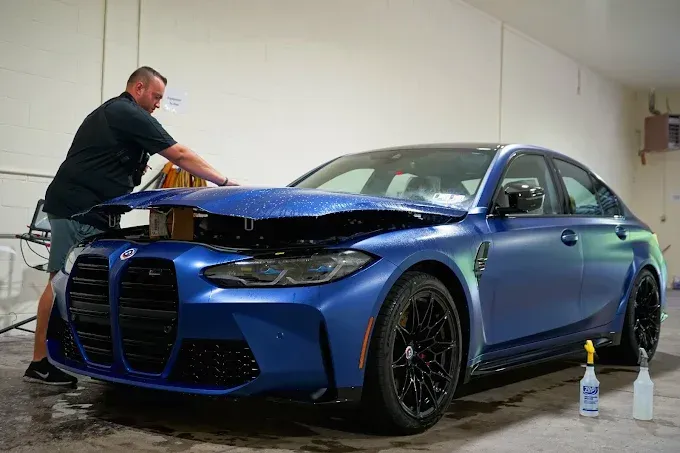
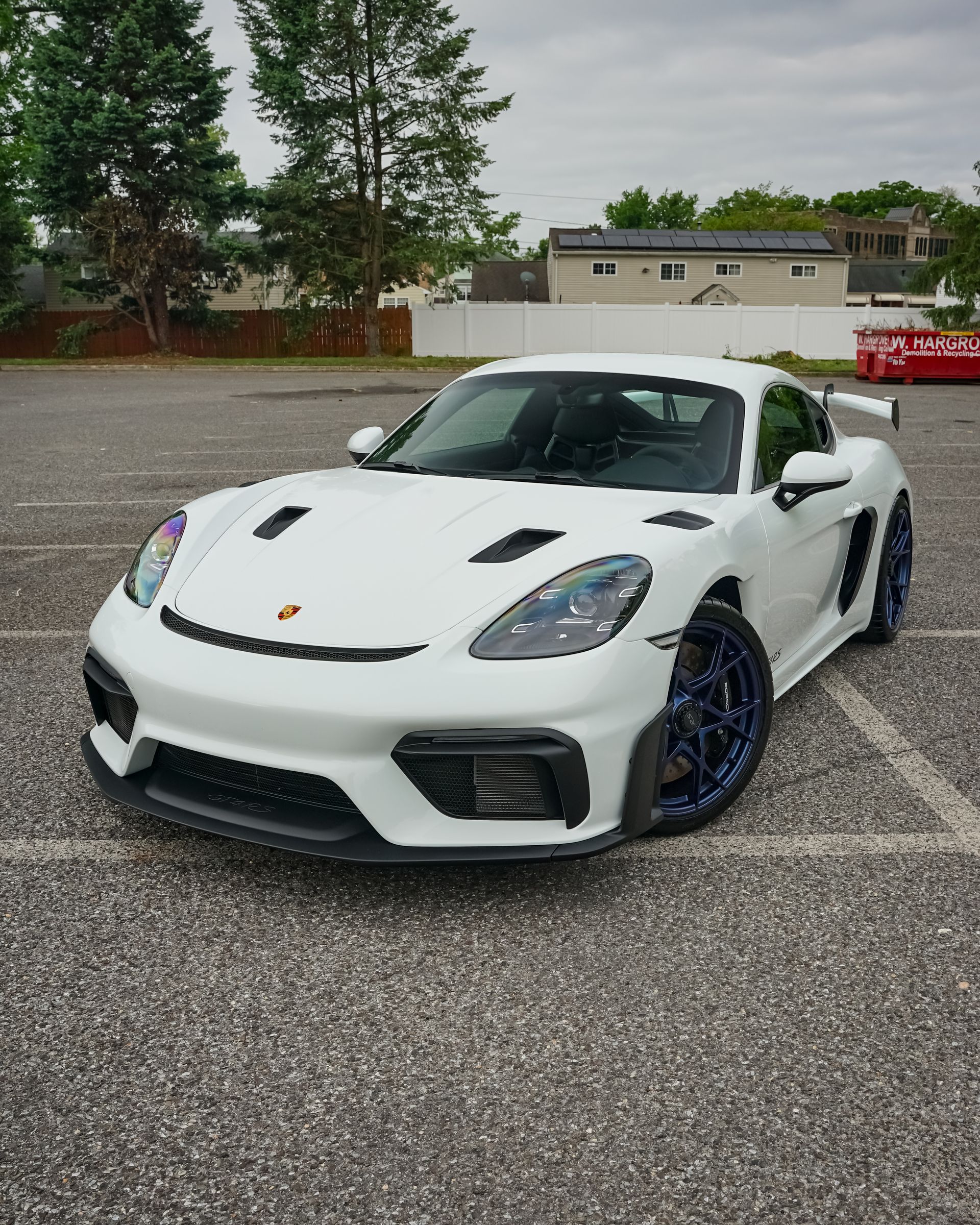
Proper application is where patience meets technique, and the difference between average results and a durable, glossy shield often comes down to preparation. It all starts with surface prep. Washing your vehicle is not just about making it look clean. It is about creating the perfect canvas for the coating to bond to. Using a pH-balanced soap along with microfiber mitts ensures you are not unintentionally damaging the paint, which can happen more easily than you might expect if the wrong tools are used.
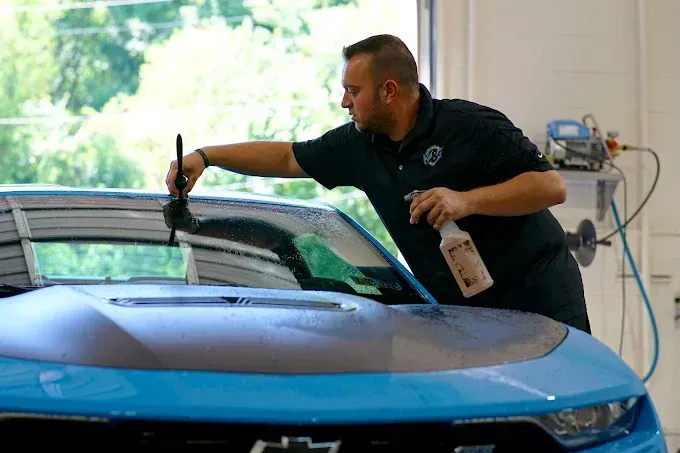
After rinsing and drying, performing a paint correction step smooths out existing imperfections. Without this step, those flaws would be sealed beneath the ceramic layer. Once the surface has been properly prepared, the application itself demands methodical attention. Working in small sections ensures full control. Applying too large an area at once risks uneven coverage and leaves trouble spots like high spots or streaks. The applicator pad should glide with a consistent crisscross motion, depositing ceramic material evenly across every curve and contour. Immediately after, buffing with a high-quality microfiber cloth removes excess residue to avoid streaks while enhancing gloss.
Environmental conditions during application have a significant influence over the outcome. Temperatures that are too low or too high can prevent proper bonding of the coating molecules to the paint, while humidity can interfere with curing by introducing moisture prematurely. Ideally, application should occur in a controlled environment such as a garage or shaded area, with ambient temperatures between 60 and 75 degrees Fahrenheit and low humidity levels.
The final key phase is the curing period. For at least 24 hours after application, keep the vehicle away from water or heavy dew, since moisture interferes with the chemical bonding process. During this time, the ceramic coating transitions from liquid to a robust solid form intimately bonded with the paint beneath. A well-cured coating retains stunning gloss and resists water spots, dirt buildup, and UV damage far better than traditional waxes or sealants.
Environmental Stressors and Protection
Vehicles face a relentless barrage of environmental challenges every day, from blazing sun overhead to unseen chemical agents in the air. Among these stressors, ultraviolet radiation stands out as particularly harsh. Over time, UV rays penetrate the paint surface, breaking down its molecular structure through oxidation, a process that dulls color vibrancy and leads to fading. Ceramic coatings act like an invisible shield, reflecting and absorbing much of this sun damage and keeping your vehicle's paint looking fresh and vibrant long after unprotected surfaces would have faded.
Sunlight is not the only threat, though. Airborne pollutants such as acid rain, bird droppings, and tree sap are chemical aggressors that can etch and corrode even the toughest clear coats. Ceramic coatings form a chemically inert barrier atop the paintwork, neutralizing acidic substances before they have a chance to cause lasting damage. With enhanced silica-carbide structures, these coatings bond tightly to the paint and create durable armor that withstands pH extremes while holding up against surface wear far beyond what standard protective layers offer.
Some next-generation ceramic coatings also incorporate self-healing technologies activated by natural heat sources like sunlight or warm water. Minor surface damage that accumulates over time can actually repair itself with this innovation, meaning constant exposure to environmental hazards becomes less damaging overall as the coating works to restore its protective surface continuously.
This comprehensive protection translates directly into practical benefits. Your car maintains its aesthetic appeal longer, reducing the need for costly touch-ups or repainting, while also helping maintain vehicle resale value by keeping the exterior close to showroom condition despite years of exposure.
Hydrophobic and Oleophobic Properties
Ceramic coatings excel because they create a barrier that actively repels both water and oils. When a surface is hydrophobic, water does not sit and linger. Instead, it forms tight droplets that bead up and roll right off, carrying dust, dirt, and other contaminants with it and reducing how often you need to wash the vehicle.
The oleophobic nature of ceramic coatings means that greasy substances like road grime, engine oil residue, or fingerprints have a hard time sticking to the paint. These oil-repellent qualities are particularly valuable since oily residues tend to cling stubbornly to uncoated paint surfaces, leading to dullness and stains that demand harsh scrubbing or strong chemical cleaners.
Over time, untreated surfaces can develop mineral deposits from lingering water droplets or unsightly smudges from embedded oils. These are not just cosmetic concerns. Such residues can degrade clear coats by chemically etching them or encouraging micro-wear during cleaning. By fostering strong repulsion against these elements, ceramic coatings protect paint integrity in ways traditional waxes simply cannot. Quicker washes using less effort and milder cleaning products become the norm because dirt and grime do not cling as readily, and less aggressive cleaning reduces surface wear over time.
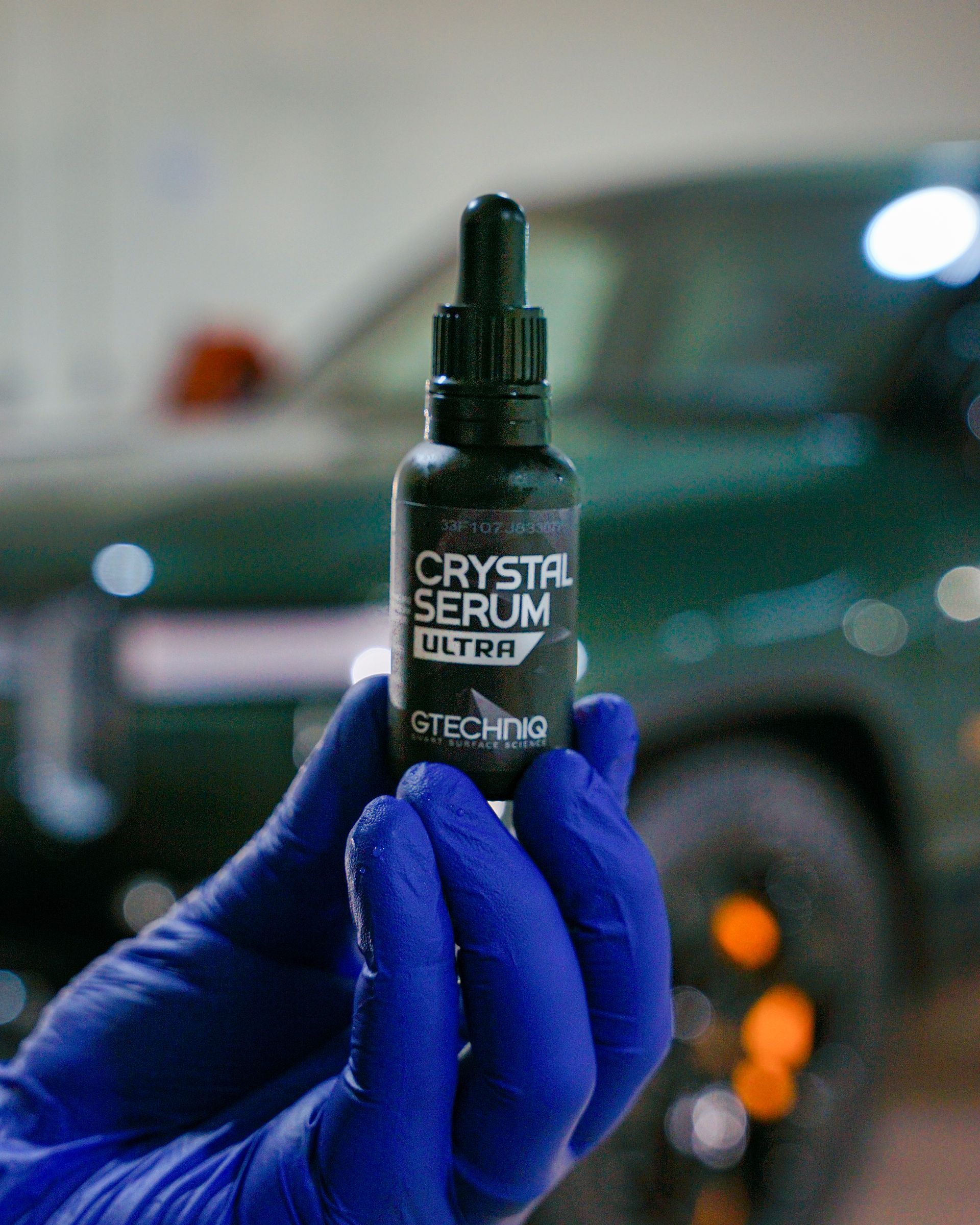
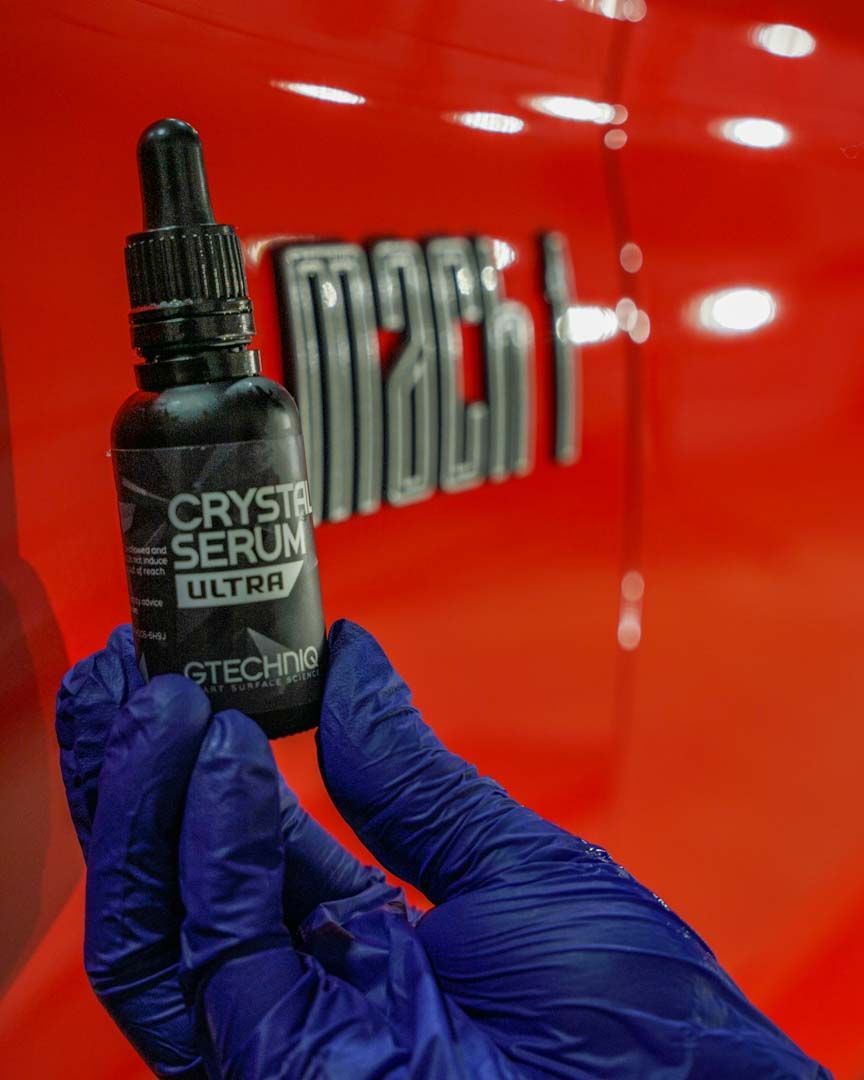
Ceramic Coating vs. Traditional Wax
Traditional wax has long been the go-to option for car owners looking to add shine and some protection to their paint. It is affordable and easy to apply, but its benefits fade quickly. On average, a quality wax application lasts around four to six weeks before it needs to be reapplied. This frequent upkeep means your paint is regularly left exposed once the wax wears off, leaving it vulnerable to UV rays, bird droppings, and acid rain.
In contrast, ceramic coatings create a hard, protective layer chemically bonded to the clear coat beneath your paint. Depending on the product and proper maintenance, ceramic coatings can last anywhere from two to five years or more, with some professional-grade coatings pushing even further. This level of endurance makes them an investment in long-term preservation rather than a seasonal fix. Ceramic coatings also dramatically improve ease of cleaning, with water beading vigorously and carrying contaminants away during rinses or light washes in a way that traditional wax cannot replicate.
While ceramic coatings may appear costly upfront compared to wax, their extended durability and reduced need for reapplication save time and money over the long run. They also preserve the structural integrity of your clear coat by minimizing oxidation and surface wear that builds up over time.
Long-Term Benefits and Maintenance
Ceramic coatings offer a kind of armor for your vehicle's surface that goes well beyond making it shine. Over time, they form a long-lasting layer that protects your paint from harsh environmental elements like UV rays, acid rain, dirt, and road salts. But this shield is not invincible. Its strength depends heavily on how well it is maintained. Without consistent upkeep, the durability and hydrophobic qualities of the coating diminish, sometimes cutting the effective lifespan significantly. Vehicles with properly maintained ceramic coatings tend to retain higher resale value due to less paint degradation and a fresher overall appearance.
To preserve these benefits, washing your car regularly is essential. Use a pH-neutral shampoo because harsh detergents can break down the chemical bonds in the coating and reduce its protective qualities. It is not only the cleaning product that matters but also how you wash. Avoid abrasive sponges or brushes that can wear down the surface. Soft microfiber cloths and gentle techniques are always the better choice.
Committing to this kind of routine means your ceramic coating will continue serving as a powerful shield while keeping your vehicle looking its best for many years, far beyond what traditional wax could ever deliver. Proper care transforms ceramic coating from just a shiny finish into a long-lasting investment in your vehicle's value and appearance.
Keep That Finish Working for You
Your vehicle deserves more than short-term shine. At M&G Automotive Detailing, our ceramic coating services are designed to support long-term surface stability, helping your paint maintain its depth, clarity, and protection through every season in Haddonfield, NJ. Our team takes a meticulous approach to preparation and application, ensuring the coating bonds properly and performs the way it should over time. If you are ready for a solution that reduces upkeep while keeping your vehicle looking consistently refined,
contact M&G Automotive Detailing today and see the difference professional ceramic coating can make!