Paint Protection Film for Preserving Exterior Consistency: A Complete Car Durability Guide
Keeping your car looking great is not just about frequent washes or fancy polishes. It is about protecting the paint underneath from the everyday bumps and scrapes that slowly add up. Paint protection film (PPF) offers a practical way to preserve your vehicle’s finish, adding a nearly invisible layer that helps maintain its original look while reducing the impact of daily wear. If you have ever wondered whether this invisible armor is worth the investment or how it really works, this guide breaks down everything you need to know to keep your car's exterior fresh for years to come.
What Is Paint Protection Film?
Paint protection film is a thin but highly durable transparent urethane layer applied directly onto your vehicle's painted surfaces. Think of it as an invisible shield that takes the brunt of everyday hazards, including rocks kicked up on the highway, abrasive dust, bugs, and even corrosive elements like bird droppings and acid rain, all of which wear down your paint over time.
What makes PPF stand apart from waxes or ceramic coatings is that it physically absorbs impacts and scratches instead of merely repelling them. Beneath its clear glossy surface lies a multi-layer system designed for both protection and longevity.
The topmost clear coat grants a brilliant shine while blocking harmful ultraviolet rays that cause fading. Below that, a flexible polyurethane layer gives the film remarkable elasticity, allowing it to stretch with your car's curves and recover from minor abrasions on its own thanks to self-healing technology activated by heat or sunlight. Small scrapes can literally disappear overnight without any intervention. At the base sits an adhesive layer engineered to securely bond with your vehicle's paint yet peel off cleanly if needed, preserving the pristine finish beneath without damage.
Types of PPF
Paint protection films come in several formats depending on your needs and preferences. Some are pre-cut kits crafted to fit the precise factory contours of popular car models, making installation straightforward and ensuring full coverage where it counts most, such as front bumpers, mirrors, and hood edges. Meanwhile, bulk rolls offer versatility for custom applications but require professional cutting skills.
Beyond shapes and sizes, PPF finishes vary as well. The classic high-gloss finish enhances your car's original paint depth and shine without altering color or texture. Matte films have also grown in popularity for those wishing to give their vehicle a sleek, satin appearance while maintaining protective benefits. Certain colored films even allow you to subtly modify your car's hue, combining function with style.
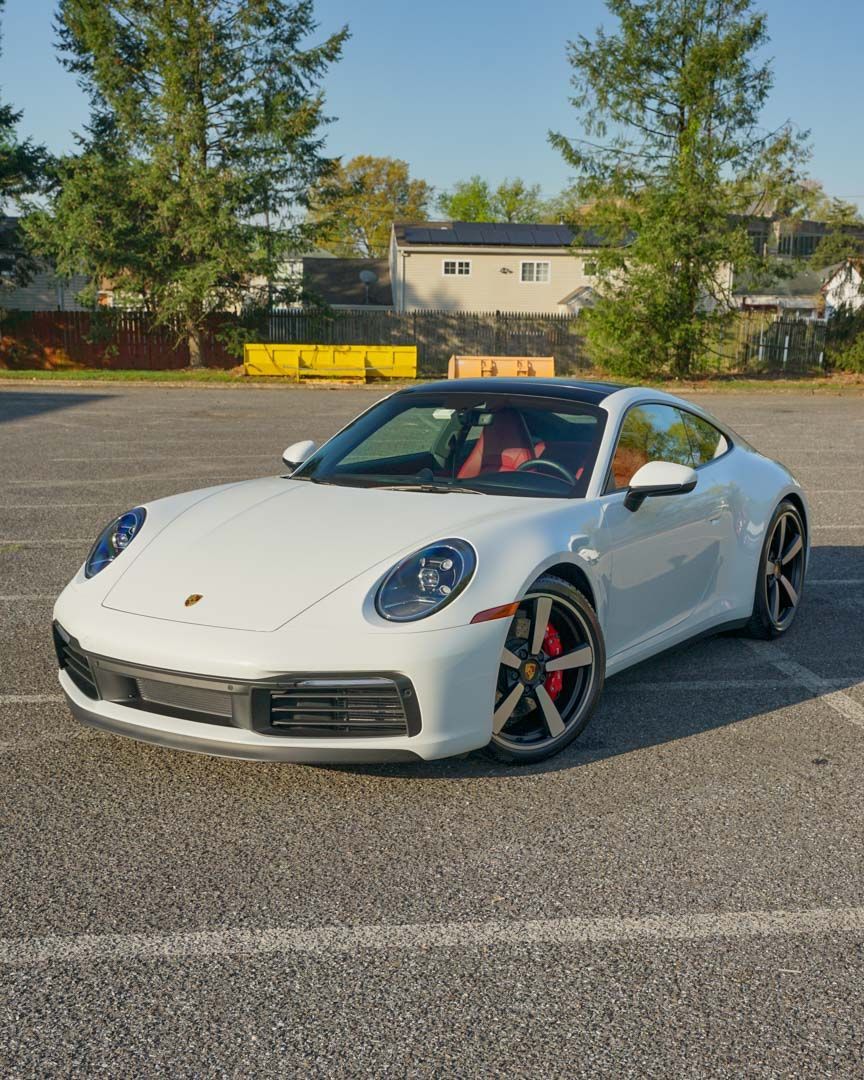
Key Benefits of PPF
One of the most compelling reasons car owners invest in PPF is its protective quality. Driving down a gravel road or through a construction zone constantly exposes your paintwork to tiny rocks and debris. PPF acts as an invisible shield that absorbs high-velocity impacts, significantly reducing paint chips and protecting the underlying metal from rusting or corroding. Beyond impact resistance, PPF also fights off chemical threats from bird droppings, acid rain, and road salts, which can eat away at paint layers if left unguarded.
Prolonged sun exposure can be just as damaging to your vehicle's finish. PPF is engineered to block the vast majority of harmful ultraviolet rays, shielding your car's finish from fading and oxidation, which is a natural process that dulls color over time. UV protection is especially vital for vehicles parked outside regularly, where relentless sunlight saps both the vibrancy and gloss of paint. With PPF in place, colors remain rich and deep, maintaining a showroom shine year-round even under harsh sun exposure.
Many top-tier PPF products also incorporate self-healing properties into their formula. When exposed to natural heat from sunlight or warm water during washing, small swirl marks and light scratches relax and vanish within 24 to 48 hours. This remarkable feature not only keeps the film looking fresh but also reduces maintenance demands for the vehicle owner, meaning fewer trips to the detailer and less frequent polishing.
PPF's hydrophobic surface also plays a key role in everyday maintenance. A slick, water-repellent finish causes dirt and grime to slide off more easily during washes, cutting cleaning time considerably. This smoother surface also discourages the buildup of mineral deposits and road salts that typically degrade paint over time, ultimately saving money on costly repairs throughout your ownership.
DIY vs. Professional Application
DIY paint protection film kits are appealing because of their lower price point, but affordability comes with challenges. Applying PPF is not simply peeling and sticking a large clear sticker. It demands a steady hand, thorough surface preparation, and patience to avoid bubbles or misaligned edges.
Small mistakes, such as dust trapped under the film or improper stretching, can reduce clarity and leave visible imperfections. DIY installation also requires extra preparation time along with specialized tools like squeegees, heat guns, and precision cutting blades. Without these, fitting the film around curves and seams becomes significantly more difficult.
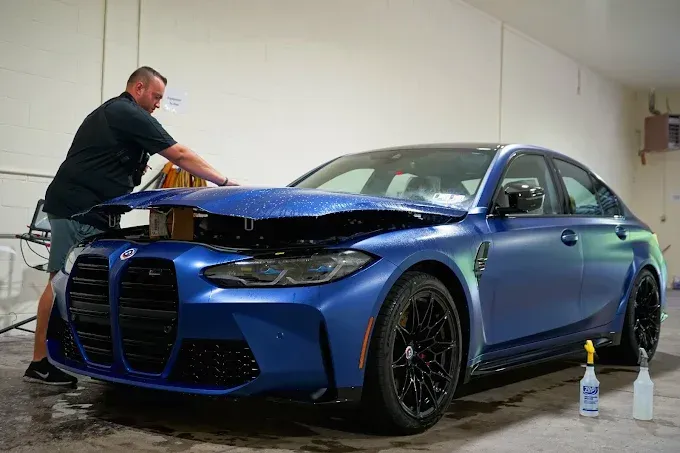
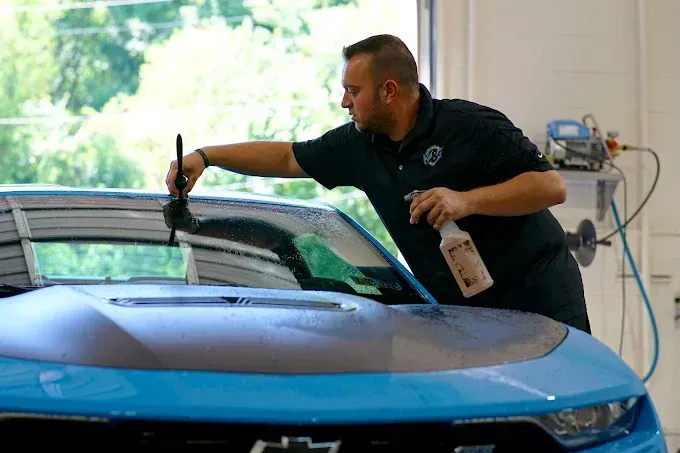
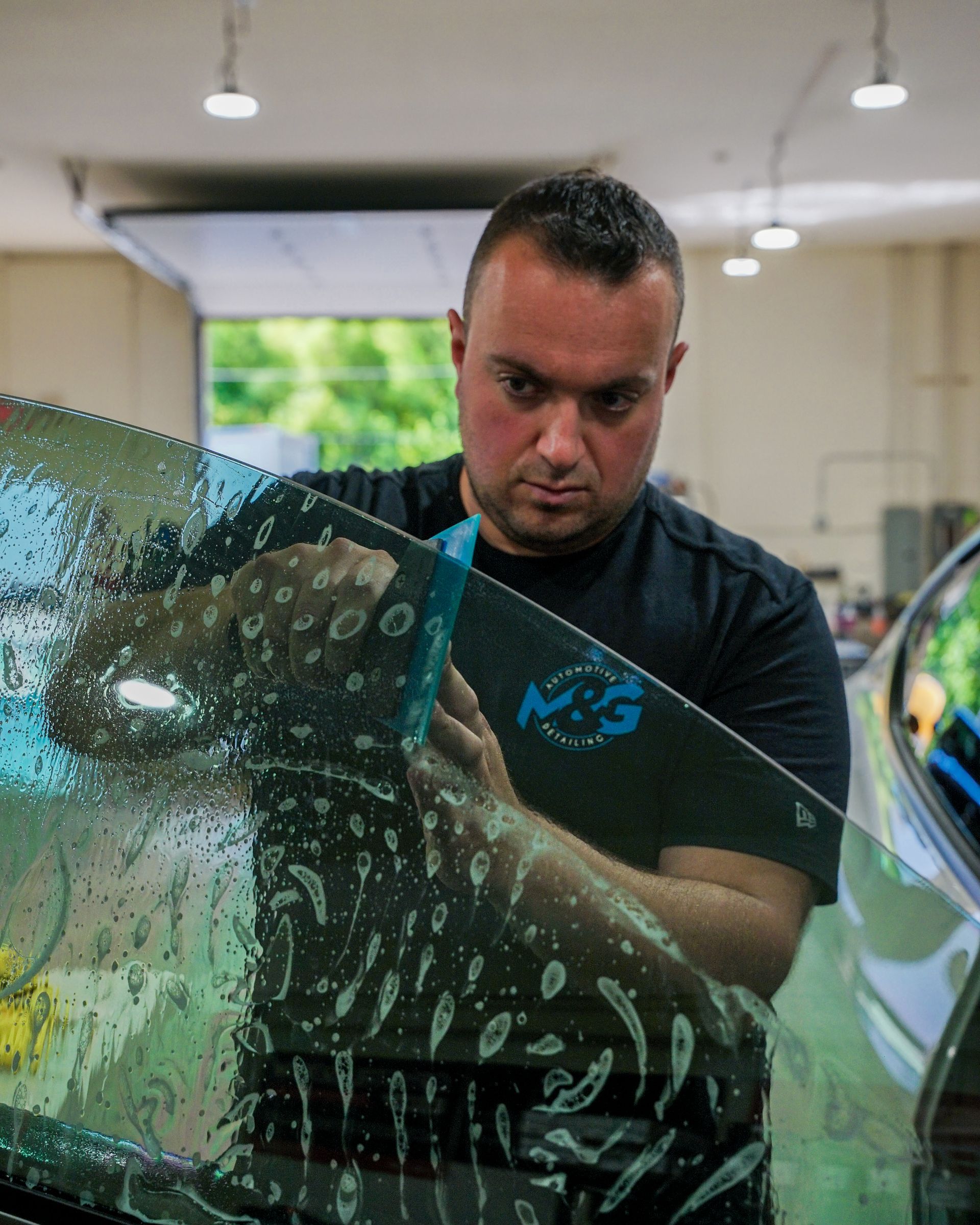
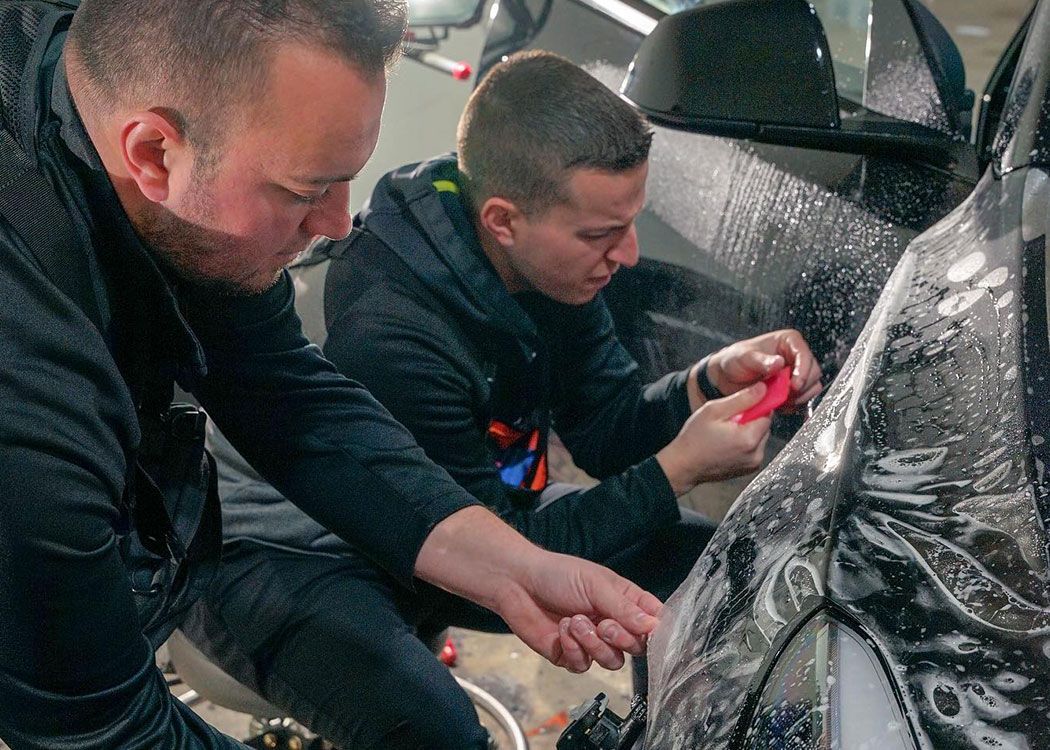
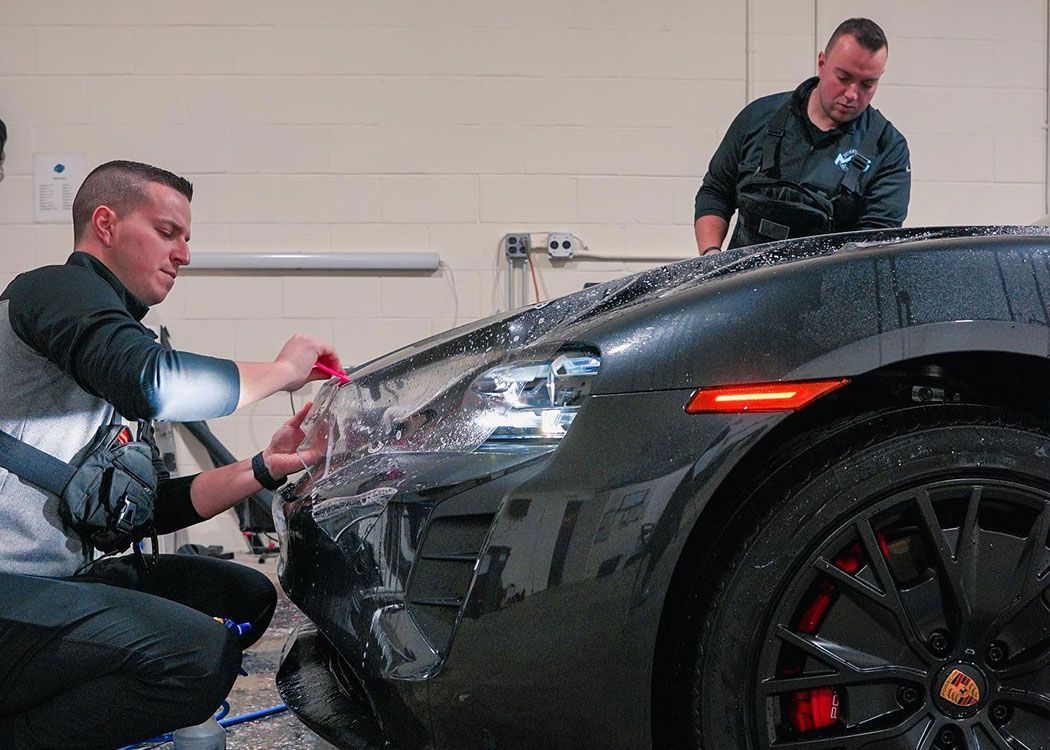
Professional PPF installers bring advanced skills and equipment honed by experience. The process typically includes careful surface preparation, precision cutting using computer-guided machines, and controlled environments that minimize dust contamination. Professional installations generally come with warranties covering yellowing, cracking, bubbling, or peeling, offering peace of mind that the average DIY kit cannot match.
Professionals also advise on proper aftercare routines from the start to maximize longevity and ease future removal without damaging the paint underneath. The choice between the two ultimately hinges on what you prioritize: saving money upfront or ensuring a flawless appearance and long-term durability with minimal hassle.
Installation and Maintenance Tips
Proper installation begins with cleanliness. Your car's surface must be immaculate before applying PPF, as any dirt, dust, or wax residue can trap air bubbles or prevent proper adhesion. A thorough wash followed by a clay bar treatment to remove microscopic contaminants gives you a perfectly smooth canvas.
Installation environment also matters. A stable temperature between 60°F and 80°F (15°C to 27°C) is ideal, and dust control is equally important to prevent tiny airborne particles from marring the film's finish.
Once PPF is applied, maintaining it requires consistent yet gentle care. Regular washing with pH-neutral soap and soft microfiber cloths is critical. Avoid harsh chemicals or household detergents that can erode the topcoat or dull the film's optical clarity.
Applying a ceramic-infused sealant every six to twelve months can extend the film's lifespan significantly, enhancing gloss while reducing maintenance frequency. After five years of use, inspect the film for yellowing, brittleness, or any sign of wear, as aging films can sometimes resist removal or damage paintwork if neglected too long.
PPF vs. Vinyl Wraps
Paint protection film offers a level of defense that far outstrips what vinyl wraps can provide. Thanks to its thicker, more advanced composition, PPF shields against road hazards such as rock chips, harsh scratches, and chemical stains. Its self-healing properties mean minor abrasions can disappear with heat exposure, preserving your vehicle's appearance for years.
Vinyl wraps, on the other hand, excel when customization is the primary goal. They come in an incredible variety of finishes and textures, from glossy to satin to metallic, making them a popular choice for drivers wanting to change the look of their car without committing to a costly paint job. However, they are not designed to withstand the same level of physical impact as PPF over time.
Some owners choose to blend both approaches by installing PPF on high-impact areas while wrapping other sections for style, giving them the best of both worlds.
Is PPF Worth the Investment?
The upfront cost of PPF varies depending on coverage and vehicle size. A partial front-end application covering the bumper, hood, and side mirrors is a more accessible entry point, while full-vehicle coverage on larger or more complex vehicles can cost considerably more. These costs include not just the film itself but also the labor-intensive installation required for a seamless fit.
What often surprises vehicle owners is how these initial costs translate into long-term savings. Paint repairs are notoriously expensive, and by investing in PPF early, you create a barrier that absorbs minor abrasions and prevents chips from reaching the paint below. Additionally, cars with well-maintained paintwork typically command higher resale prices, as pristine factory paint signals to prospective buyers that the vehicle has been carefully looked after.
Think of PPF as an insurance policy against common road hazards. When properly maintained, a quality film can preserve both the appearance and the value of your vehicle for years to come, making it far less an expense and far more a sound investment in your car's future.
Preserve Every Drive in Haddonfield, NJ
When it comes to maintaining your vehicle’s finish through daily driving, M&G Automotive Detailing provides
professional paint protection film services in Haddonfield, NJ designed for lasting results. Our team carefully installs high-quality PPF to help maintain a clean, well-kept appearance while reducing the effects of road debris, environmental exposure, and regular use. With a focus on precision and attention to detail, we ensure a seamless finish that blends naturally with your vehicle’s exterior.
Book your paint protection film service with us today and enjoy a cleaner, more refined look every time you hit the road!