Interior Heat Control: Professional Auto Window Tinting to Reduce Heat and Protect Your Car
If you've ever jumped into a car parked under the sun and felt like you were stepping into an oven, you know how uncomfortable driving can get on hot days. Luckily, there's a simple upgrade that can make a big difference: professional auto window tinting. By blocking heat and harmful UV rays, tinting not only keeps your ride cooler but also protects your car's interior and improves overall comfort. Professional auto window tinting reduces interior heat by blocking a significant portion of solar heat and ultraviolet rays from entering the vehicle. This keeps the cabin cooler, protects interior materials from fading and damage, and enhances overall comfort and energy efficiency.
Benefits of Auto Window Tinting
The most immediate advantage of professional auto window tinting is improved comfort inside your vehicle. When sunlight streams through untinted glass, it brings intense heat that can quickly turn a parked car into an oven. By reducing this solar heat gain, tinted windows keep the cabin significantly cooler. This means you feel more comfortable stepping into your car on a hot day and reduces how often you need to run your air conditioner. As a result, less strain is placed on your car's AC system, extending its operational life and potentially saving you money on repairs or replacements.
Beyond temperature control, tinting plays a crucial role in reducing glare, a less obvious but equally important comfort and safety feature. Glare from bright sunlight during the day or headlights at night can create dangerous driving conditions by impairing your vision and causing eye strain. Tinted windows filter out much of this harsh light, allowing you to see more clearly without needing to squint or constantly adjust sunglasses. This reduction in visual discomfort means your reaction times may improve, helping you maintain focus behind the wheel and reducing fatigue on long drives.
Alongside comfort and safety, tinting provides valuable protection in terms of privacy and security. When your windows are tinted professionally, they become much harder for passersby to peer through. This increased privacy acts as a deterrent against potential thieves who might otherwise be tempted by valuables visible inside an untinted vehicle. It also offers peace of mind when you're parked in unfamiliar areas, knowing that your belongings aren't on display. Moreover, some window films add an extra layer of protection by making glass less likely to shatter if broken, enhancing safety from both break-ins and accidental impacts.
How Tint Reduces Heat
The science behind heat reduction through window tint is both straightforward and surprisingly clever. At its core, window tint uses a specially engineered film that actively blocks and absorbs the sun's radiant energy before it floods your car's interior with heat. This film isn't just a dark shade slapped on your windows. It's a carefully layered material designed to target specific wavelengths of sunlight, particularly those responsible for heat buildup. Sunlight carries not only visible light but also invisible infrared rays, which are the primary cause of heat. Good quality tints act like gatekeepers, reflecting and absorbing these infrared rays so they never get a chance to raise temperatures inside your vehicle. Unlike simple shades that block visible light, these films maintain clear visibility while doing their job effectively.
High-grade tint films incorporate microscopic layers infused either with metallic particles or advanced ceramic compounds. These elements serve as tiny shields that deflect solar heat away from your car. Metallic-infused tints act like mirrors, bouncing infrared radiation back outside, while ceramic tints absorb and dissipate heat without blocking signals from your phone or GPS. The design is intentional: enhance your comfort without compromising your driving experience. These layers are thin enough not to obstruct your view, allowing natural light in but keeping uncomfortable heat out. This balance between protection and transparency is where professional tinting really shines.
Cars equipped with
professionally installed window tint maintain cabin temperatures significantly cooler than untinted counterparts on hot sunny days. This translates directly into less reliance on air conditioning, better fuel efficiency, and fewer uncomfortable moments stepping into a sweltering car. These temperature drops also help protect your car's interior materials from fading and cracking caused by persistent high heat exposure. While the cooling effect may feel like immediate relief during peak summer months, the long-term preservation of your dashboard, seats, and trim adds significant value.
UV Protection and Its Importance
Ultraviolet rays from the sun pose a real threat to your health and your car's interior every time you hit the road. These invisible rays can penetrate untinted windows, gradually damaging your skin and causing your car's upholstery and dashboard to fade or crack over time. High-quality window tints act like an invisible barrier, blocking up to 99% of harmful UV rays. This means you don't just reduce the risk of sunburn; you also significantly lower your chance of long-term skin problems such as premature aging, wrinkles, and even skin cancer. Since this protection is built right into the glass, it works continuously without you lifting a finger. Your vehicle itself also gains significant protection. The same UV rays that harm your skin can wreak havoc on your car's interior materials. Over time, sunlight fades leather seats, cracks vinyl dashboards, and discolors fabrics, making your once-pristine interior look tired and worn out much sooner than it should.
Tinted windows reduce this damage by filtering out nearly all the UV radiation before it settles on surfaces inside your vehicle. This preservation extends the lifespan of your car's interior, saving you money on repairs or replacements while maintaining that fresh feel. When selecting tinting services, always inquire about the product's specific UV-blocking rating to ensure maximum protection. Lower-grade films may reduce heat but offer minimal defense against UV radiation, which defeats one of window tinting's core advantages.
Professional vs. DIY Tinting
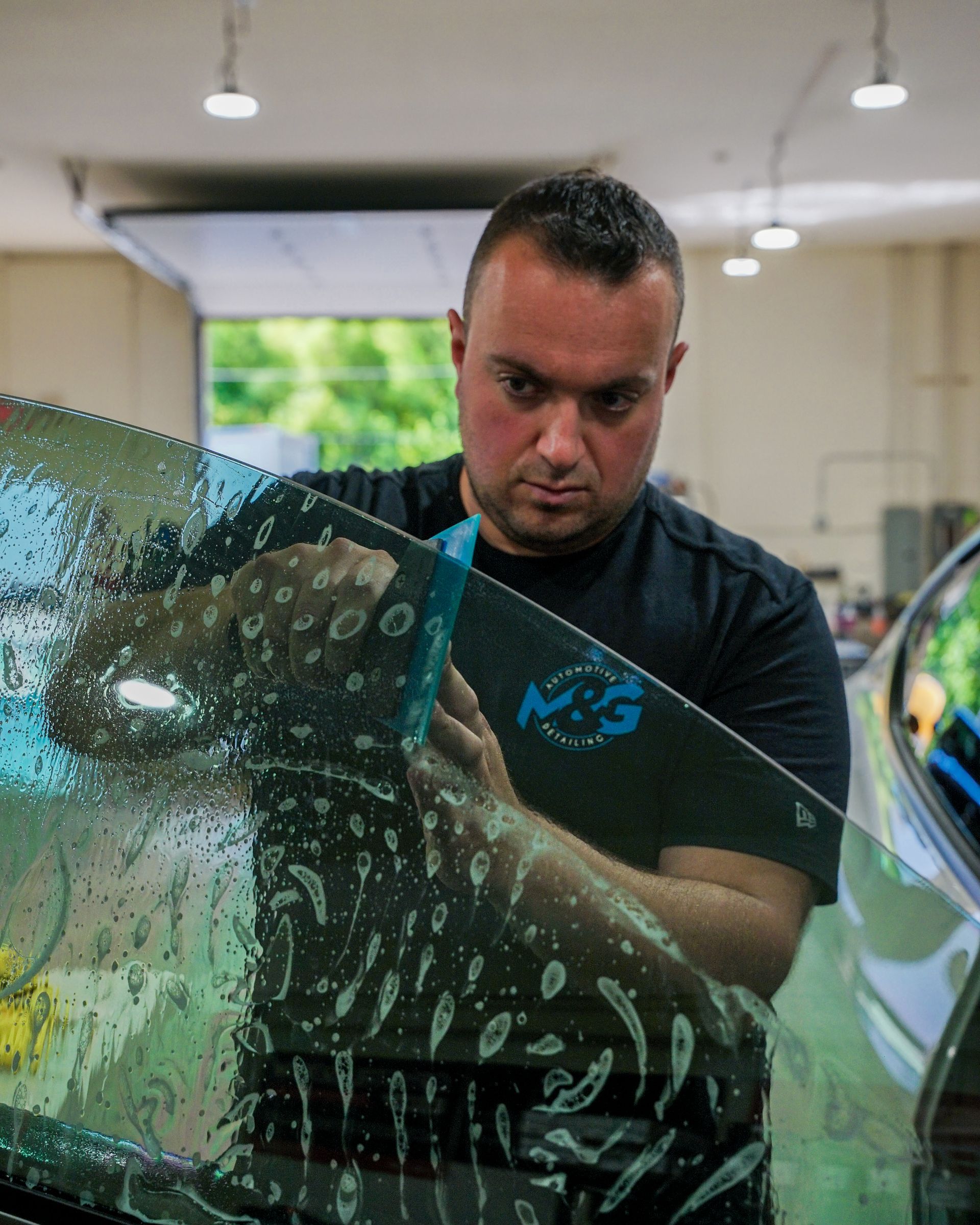
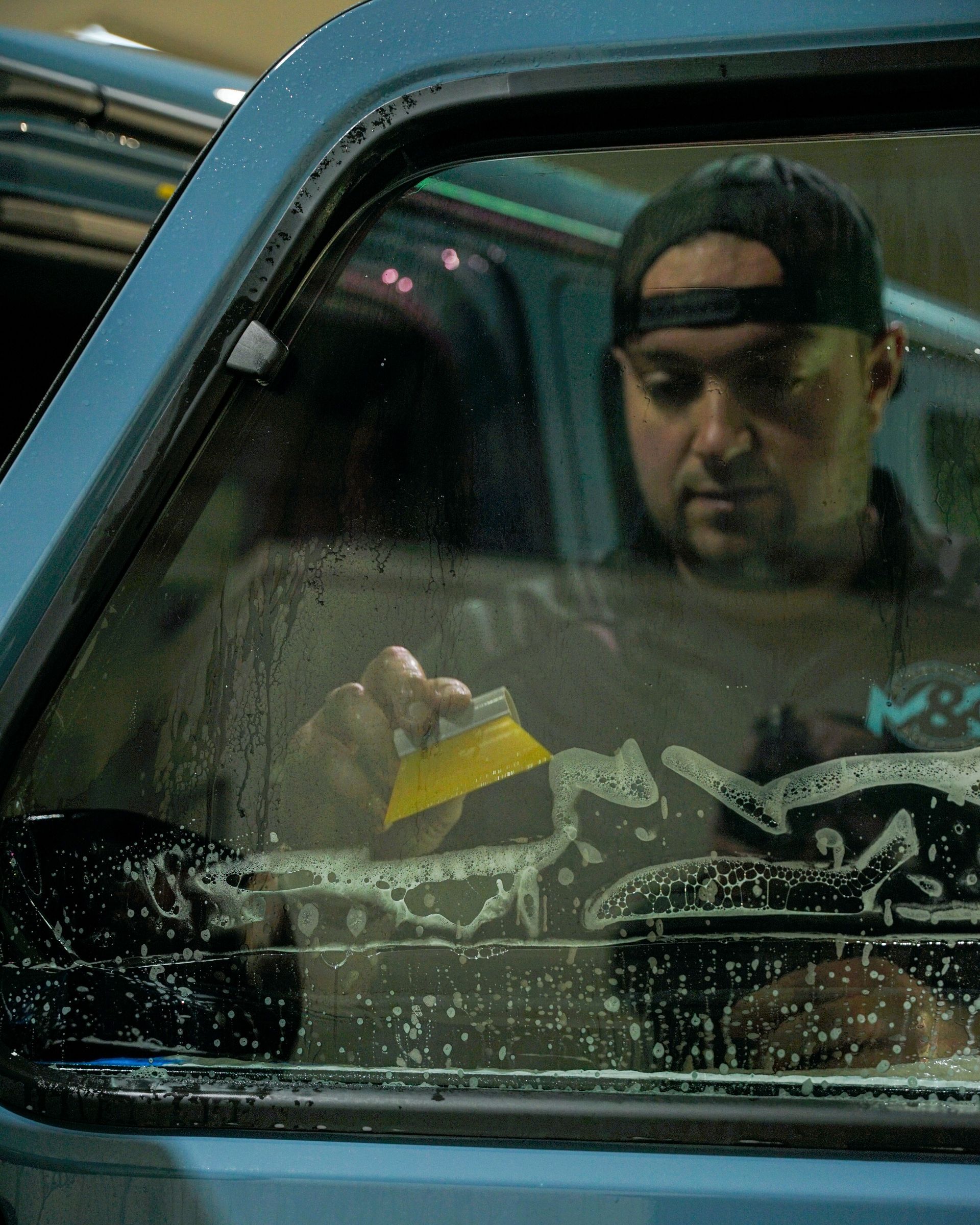
When you consider window tinting, hiring a professional installer usually means better results. Professionals bring specialized tools that ensure the film adheres smoothly without imperfections like bubbles or wrinkles. The way the tint is applied affects its effectiveness in blocking heat and UV rays, so a poorly installed job can undermine the whole purpose. Beyond installation, professionals frequently use high-grade films with enhanced durability and color stability. Professional shops often provide warranties. This makes a huge difference if something goes wrong down the road, such as peeling or discoloration. Without a warranty, those repair costs fall directly on you. With professionals, you get peace of mind knowing that support is there if needed. The allure of DIY tinting kits is obvious: upfront cost savings and the satisfaction of doing it yourself. However, these kits come with challenges. Even minor missteps during cutting or applying can cause bubbles, creases, or poor adhesion.
Moreover, many DIY films are not designed for long-term exposure to sunlight and weather elements, which means fading and cracking may occur sooner than expected. The installation process demands patience and precision. It's crucial to clean the glass thoroughly before applying any tint; otherwise dirt trapped underneath will be visible forever. Installing tint requires working carefully to eliminate air pockets and aligning pieces perfectly along curved surfaces, a tricky feat without experience.
What to Expect During Installation
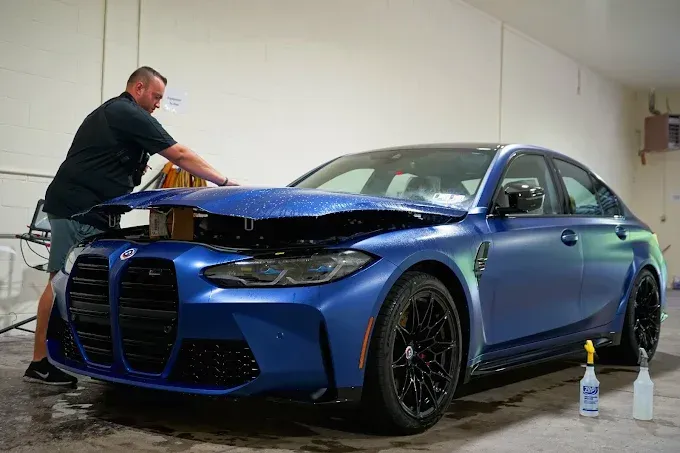
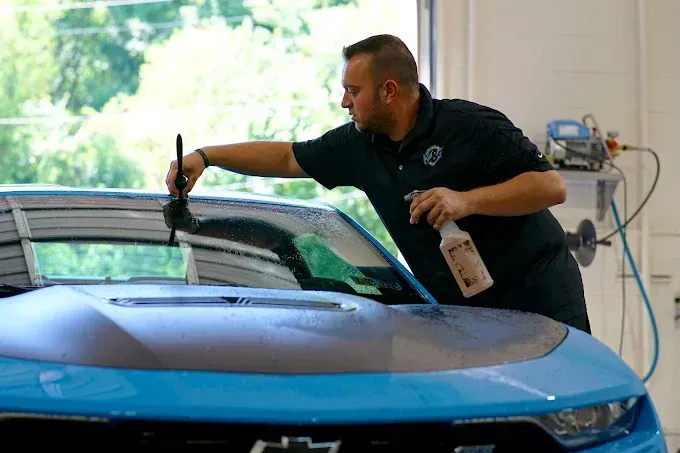
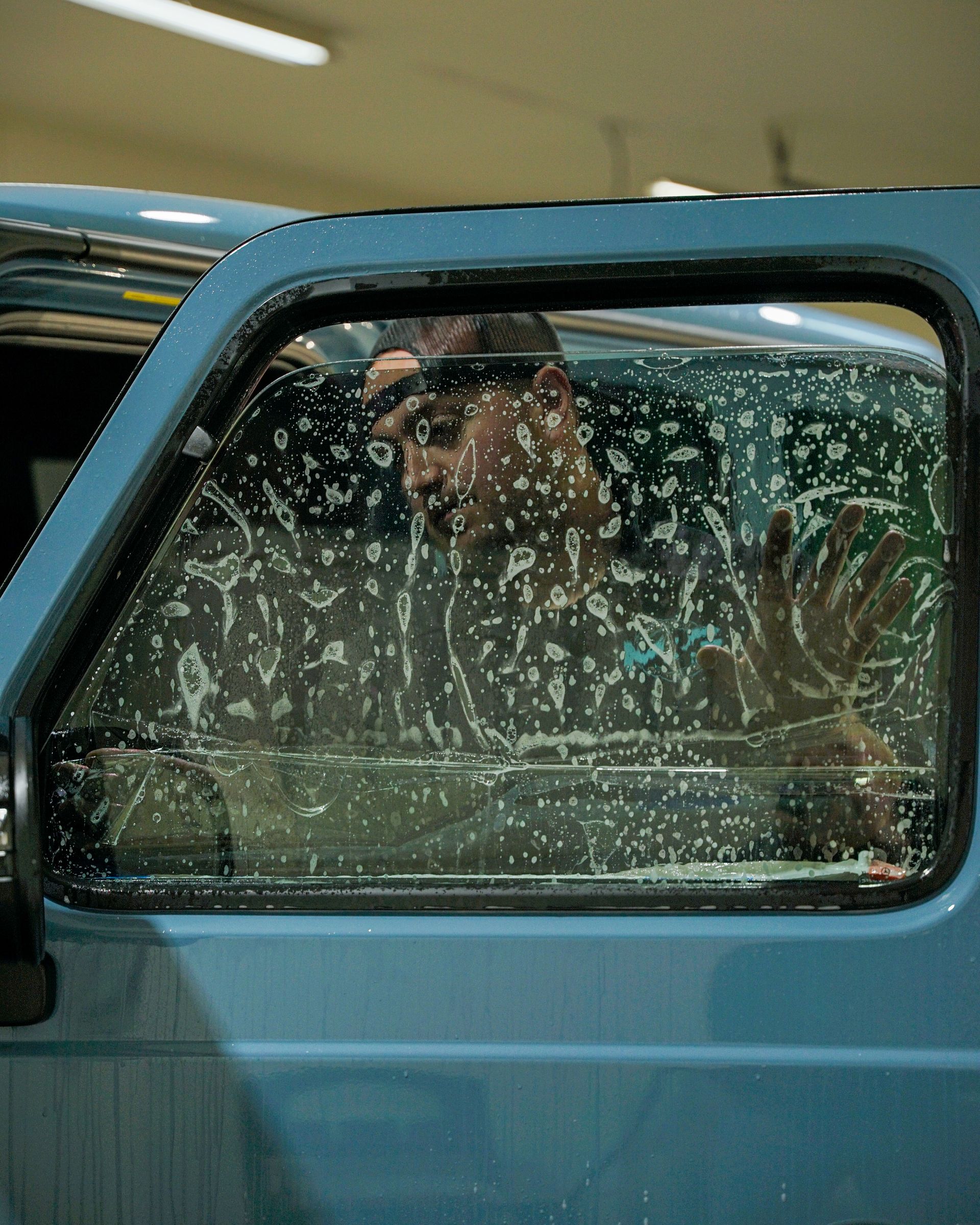
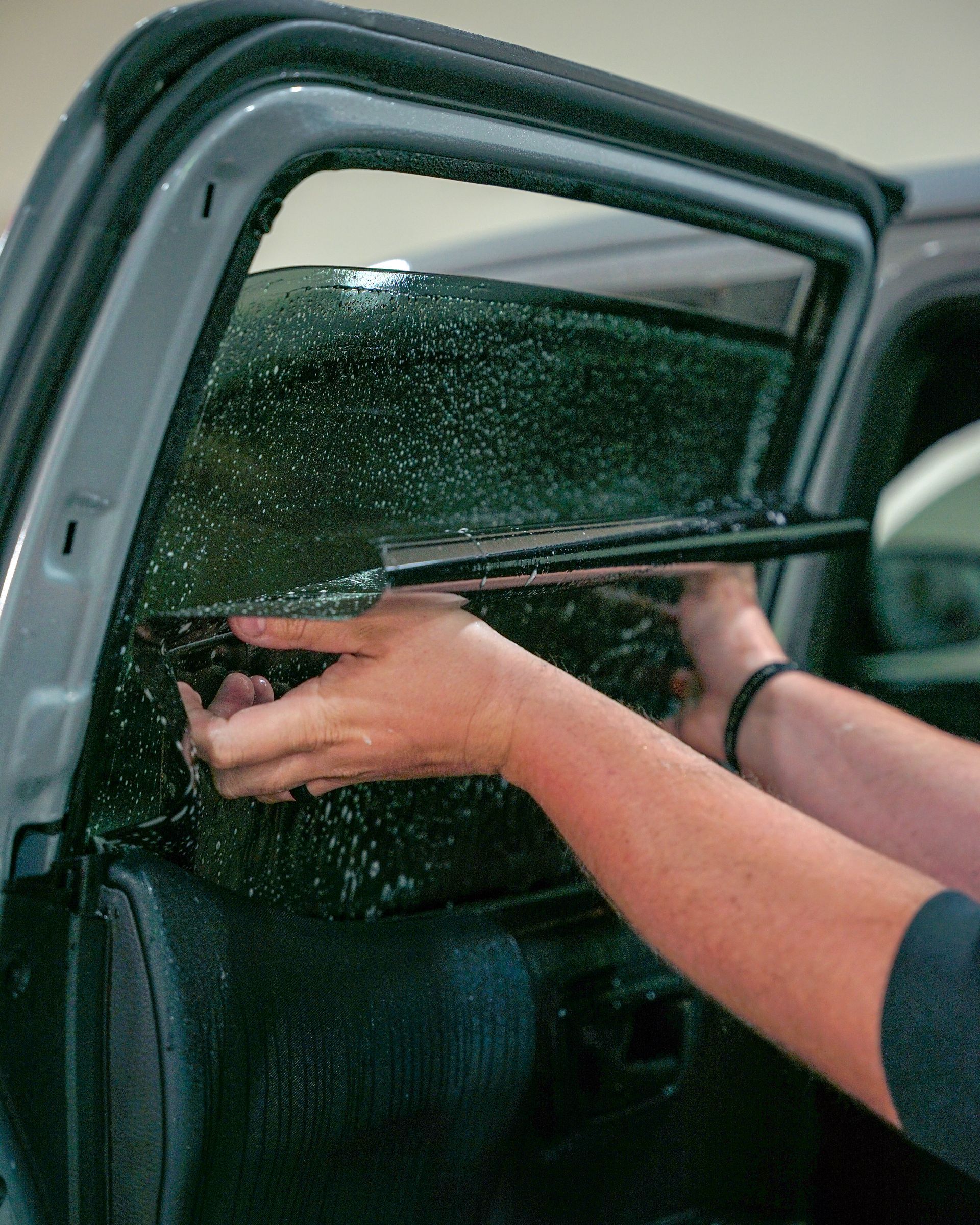
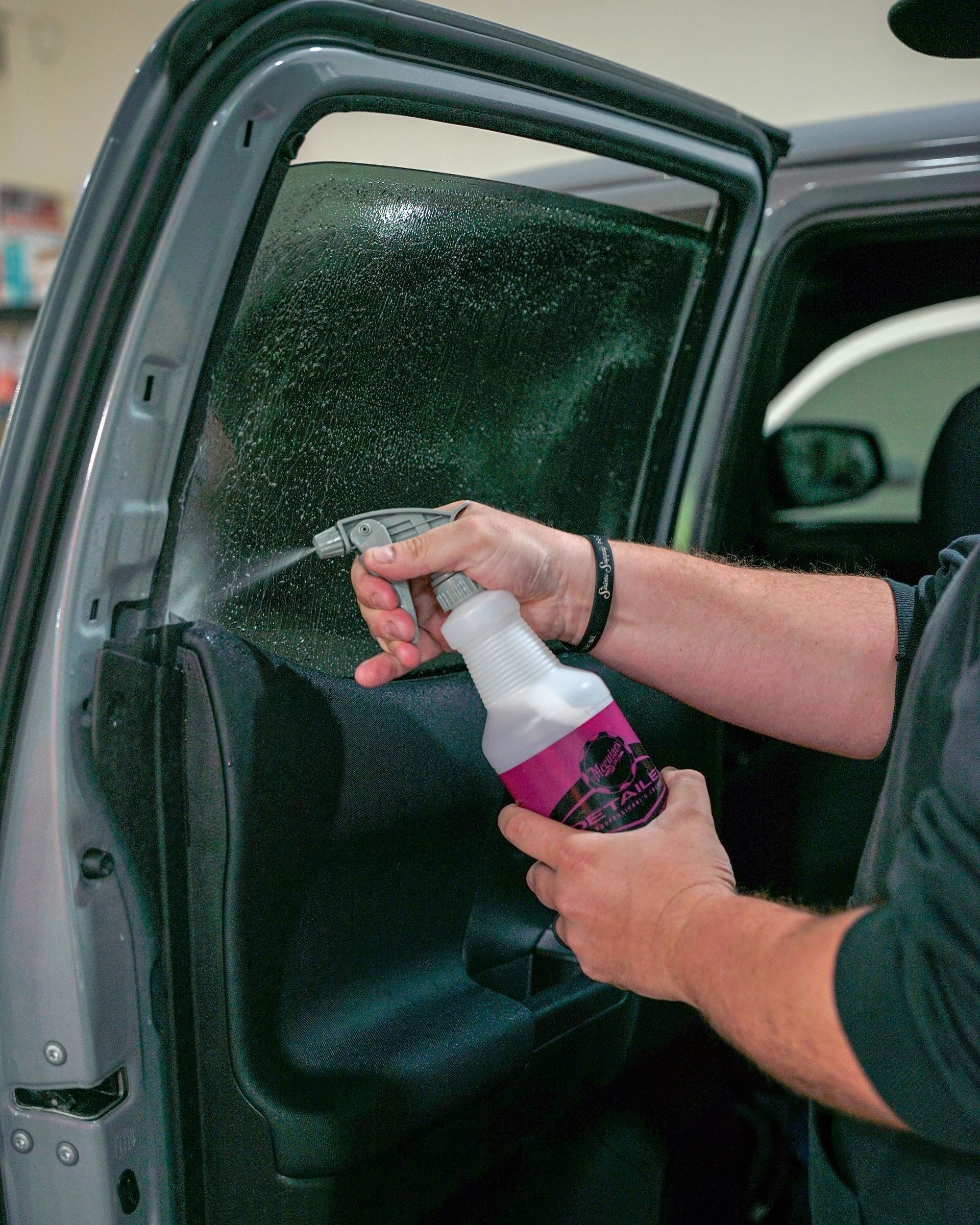
The tinting process begins with an initial consultation where you and the technician align on exactly what you want from your car's new window tint. Whether it's reducing glare, enhancing privacy, or cutting down heat, discussing these preferences allows the expert to recommend the ideal film type for your vehicle. The technicians then give your windows a meticulous cleaning. Dirt, dust, or oil residues left on the surface can cause imperfections in the film application, such as bubbles, peeling, or uneven tinting. Professionals use special cleaning solutions and tools that reach every corner of the glass. Once the windows are spotless, skilled hands carefully place the film, trimming away any excess with precision tools. The key here is patience and expertise. Rushing this step often leads to frustrating bubbles or creases that not only look bad but also reduce effectiveness. After application, the film needs time to cure, bonding fully with the glass. This curing period typically lasts several days. Avoid rolling down your windows for at least three days to ensure proper adhesion.
Long-Term Advantages of Tinted Windows
Beyond immediate comfort, tinted windows serve as a lasting investment in your vehicle. One of the most significant long-term perks is how tint films act as a shield against ultraviolet rays. UV radiation causes fabrics and leather to fade, plastics to crack, and dashboards to warp over time. This isn't just about appearances; maintaining the interior condition of your vehicle directly influences its resale value. Buyers often judge a car by how well it has been cared for inside, and sun-damaged seats or faded dashboards can send the wrong message. Another advantage lies in energy savings. By cutting down on solar heat buildup inside the cabin, tinted windows reduce the need for air conditioning during hot days. This improves your fuel economy over months and years and lightens the load on your vehicle's air conditioning system. The AC system in a car isn't cheap to repair or replace. By easing its workload through better heat management, window tints contribute to extending its lifespan.
Choosing a Professional Tinting Service
Selecting a professional tinting service is about ensuring your investment truly pays off. When you entrust your car to experts, you're paying for the skill and precision needed to get flawless results that last. Quality workmanship minimizes issues like bubbling, peeling, or uneven application. Experience stands out as the most critical factor. A provider with years in the business has likely honed their techniques and developed solutions to common problems. Seek out those who have a proven history of satisfied customers and consistent quality. Online reviews and testimonials offer insight into what you can expect. Every professional worth their salt will back their installation with a warranty. This demonstrates confidence in their materials and workmanship. A comprehensive warranty provides peace of mind should unexpected issues arise. Additionally, quality services usually offer support post-installation, ready to assist with minor adjustments or questions. Consider additional factors such as the types of films offered, compliance with local tint laws, and the time required for installation. Investing in professional auto window tinting safeguards your interior from heat damage while providing lasting comfort and protection.
Trusted Window Tinting Services in Cherry Hill, NJ
Keeping your cabin comfortable during hot days starts with
professional window tinting, and M&G Automotive Detailing delivers results you can feel every time you get behind the wheel. Our auto window tinting services in Cherry Hill, NJ are designed to reduce interior heat, block harmful UV rays, and help protect seats, dashboards, and trim from long-term sun damage. With carefully selected films and precise installation, we help create a cooler, more comfortable driving experience while adding privacy and glare reduction.
Schedule your window tinting service today and enjoy a more comfortable ride all year long!