PPF's Role in Protecting Your Vehicle Against Road Salt and Grime Damage
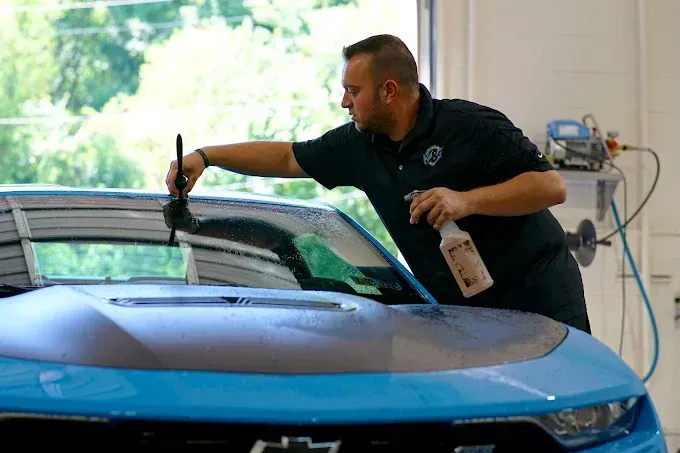
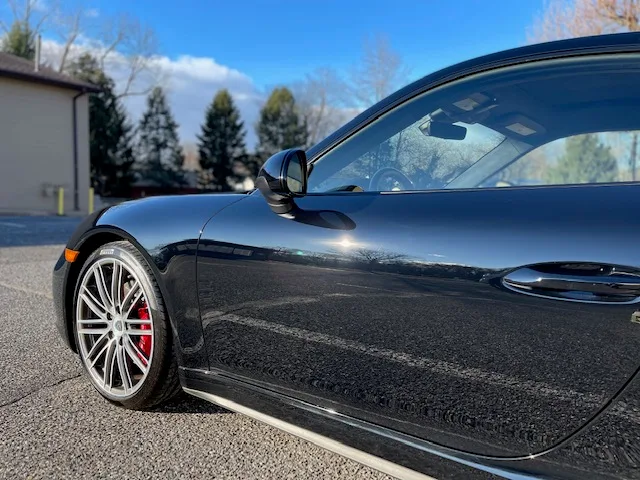
When winter hits, your car faces more than just cold weather; it battles relentless road salt and grime that can quietly wreck its paint and metal parts. These harsh conditions can lead to rust, scratches, and stubborn stains that no amount of washing easily removes. That's where paint protection film, or PPF, steps in as an unseen defender. It's a thin, tough layer that guards your vehicle against the daily wear caused by salty streets and dirty roads. Paint protection film acts as a durable, transparent barrier that shields your vehicle's paint from the corrosive effects of road salt and the abrasive damage caused by grime and debris. By absorbing impacts and resisting chemical exposure, PPF prevents rust, paint chips, and scratches, especially in vulnerable areas like wheel wells, bumpers, and lower panels, significantly extending your vehicle's exterior lifespan and appearance.
Overview of Paint Protection Film
Paint protection film is essentially a clear, flexible shield made from thermoplastic urethane that you apply over your car's exterior surfaces. Think of it as an invisible armor that quietly guards your paintwork against the daily grind of road hazards gravel, salt, dirt, and even minor scratches that otherwise chip away at your vehicle's appearance. What sets PPF apart from other protective treatments is its unique ability to self-heal; minor surface scratches vanish with warmth, restoring that new-car look without any polishing or buffing. This property alone keeps your car looking pristine longer, which matters when you're parking under open skies or braving harsh weather. Beyond its self-healing prowess, PPF boasts impressive impact resistance. Its slightly elastic composition absorbs the punch of flying debris before those dangers can reach your delicate paint layer. While paint might flake or crack under pressure, the PPF flexes gently, dispersing energy and preventing damage underneath. You won't see a film thick enough to feel intrusive; instead, it maintains excellent transparency—letting every curve, hue, and glossy finish shine through untouched. This optical clarity means your vehicle maintains its aesthetic integrity while gaining robust protection.
The film's durability extends to shielding against environmental factors as well. Ultraviolet rays from the sun are silent eroders of paint quality: over years, they dull colors and weaken finishes. High-quality PPF blocks the majority of UV radiation, acting like sunscreen for your car's exterior. This protection preserves not only color vibrancy but also the structural toughness of your paint layers, slowing fading and brittleness that might otherwise require costly repainting down the line. Another dimension worth highlighting is PPF's chemical resilience. Road salt, especially abundant in cold climates where highways are generously salted for safety, accelerates corrosion by infiltrating microscopic breaks in paintwork. When untreated, this results in not just unsightly white stains but creeping rust that eats into metal beneath. PPF resists these chemicals effectively, creating a barrier that prevents salt and grime from bonding directly with your vehicle surfaces. Paint protection film serves as more than just cosmetic armor; it acts as a first responder against multiple forms of everyday wear that degrade your vehicle's aesthetics and value. Its blend of self-repairing technology, impact absorption, transparency, UV filtering, and chemical resistance stands as a modern safeguard motorists can rely on. Understanding these protective qualities sheds light on why cars in regions blanketed in road salt and grime demand such vigilant defense measures.
Impact of Road Salt and Grime on Vehicles
Road salt is a silent but relentless enemy to your car's paintwork and metal underpinnings. When temperatures drop, municipalities generously spread salt to keep roads safe from ice, but this convenience comes at a cost. The salt speeds up the natural process of oxidation. Over months of driving through salty, slushy streets, you might start noticing tiny rust spots creeping across your wheel wells or underside panels, leading to costly repairs long before their time. What compounds the issue further is the accumulation of road grime. Mixed with salt, this grime clings stubbornly to surfaces, creating micro-abrasions on your paint. These scratch-like damages reduce your car's glossy finish if left unchecked. Not only does this dull your vehicle's appearance but also creates weak points where moisture can slip under the clear coat and attack metal parts beneath. The combination of salty moisture trapped with dirt forms a persistent wet environment ideal for rust to thrive.
Another subtle but critical factor is that salt residue can hold onto moisture far longer than clean water alone would. This moisture retention holds true especially around hidden crevices like rocker panels and inside wheel arches, where salt-laden water pools after winter drives. By acting as a sacrificial shield, PPF absorbs many impacts from salt particles and gritty debris before they ever reach your vehicle's delicate paint surface. Its urethane material seals tightly over vulnerable body panels such as front bumpers, hoods, side mirrors, and lower rocker areas. Essentially, PPF takes the wear and tear so your underlying paintwork does not have to. This protection helps maintain the integrity of your car's factory finish much longer than untreated vehicles typically manage during winter seasons. It blocks direct contact between salty contaminants and metal substrates beneath layers of clearcoat paint. Plus, PPF's hydrophobic properties help repel wet slushy snow or dirty ice buildup, making your vehicle easier to wash clean without embedded grime stubbornly clinging to its surface. In regions where road salt application is frequent and intense throughout multiple winter months, the benefits of PPF shine brightest by dramatically slowing down paint degradation and corrosion.
How PPF Shields Against Harsh Elements
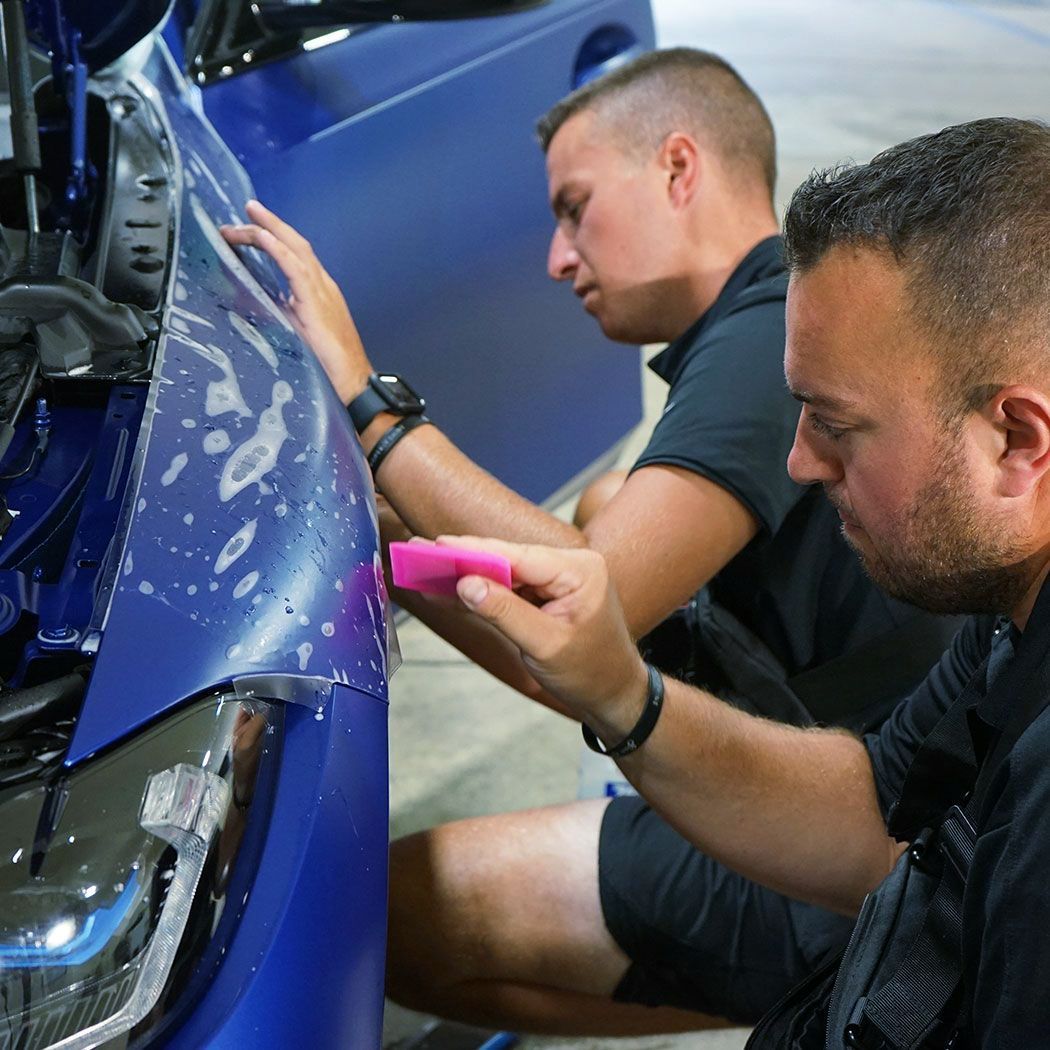
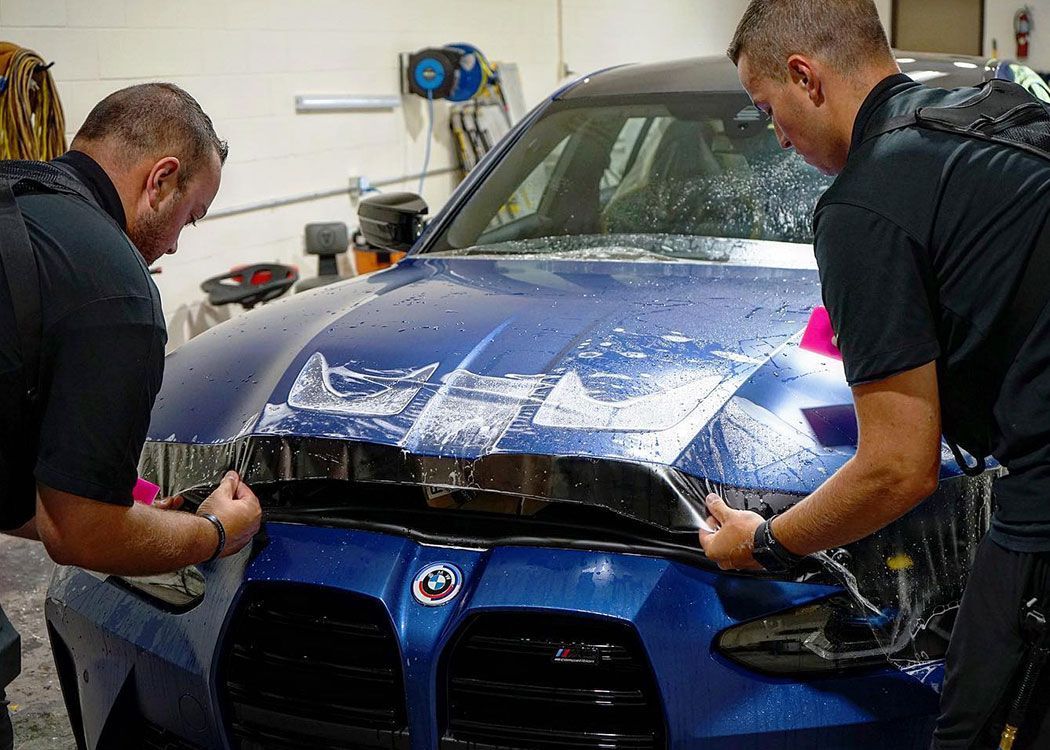
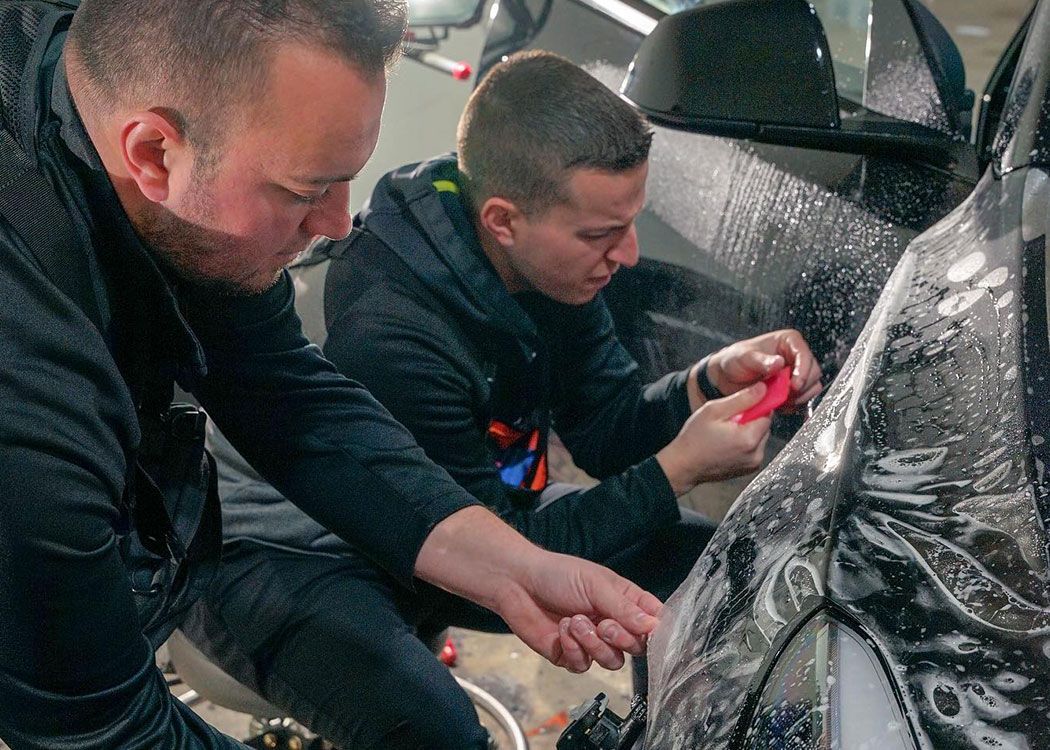
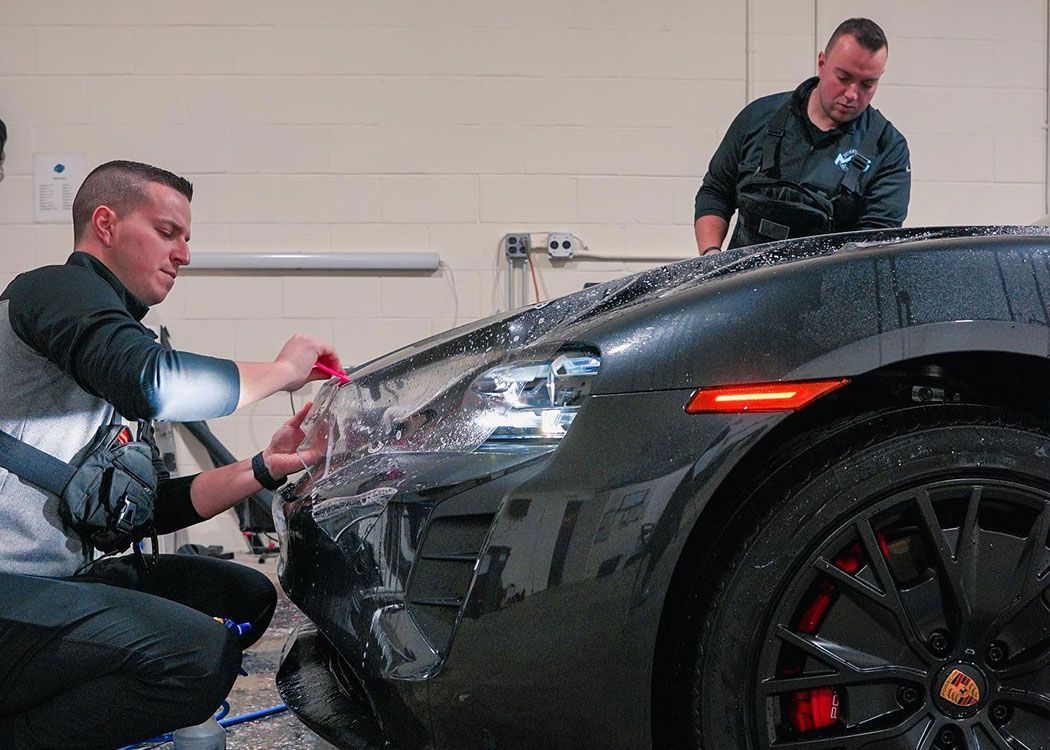
Paint protection film isn't just a passive shield slapped on your vehicle; it actively guards your car's finish from winter's relentless assault. When you drive through salted roads, snow slush, or gravel-strewn highways, countless tiny particles slam into your paintwork at varying speeds. PPF's urethane layer adheres snugly to your vehicle's surface, creating an invisible barrier that absorbs and disperses these impacts before they can chip or scratch the underlying paint. What makes PPF especially effective is its thoughtful design combining toughness and flexibility. The film is thick enough to withstand high-velocity debris but thin enough to remain virtually undetectable. Its strength gives it enough resilience to handle repeated blows without cracking or peeling. More than just brute strength, the film possesses self-healing properties: minor scratches caused by grit or salt exposure can disappear naturally with exposure to heat, such as sunlight or warm water. This means your car maintains a pristine appearance with minimal effort on your part.
Furthermore, the adhesive that bonds PPF to your vehicle plays a critical protective role. High-quality adhesives ensure the film clings tightly over every contour and edge, preventing corrosive road salts and grime from seeping underneath where they could cause damage. These adhesives are specially formulated to withstand freezing temperatures without losing stickiness, a common concern in cold regions. This guarantees secure adhesion all winter long, even when faced with ice buildup or temperature swings. Another vital feature of many modern PPF products is their hydrophobic topcoat. This coating repels water, snow slush, and dirt by reducing surface tension so those substances bead up and run off easily instead of sticking around to leave behind residue or accelerate corrosion. Think of it as waxing your vehicle on a molecular level that never washes away but actively wards off moisture mixed with salt or grime. PPF works as an essential armor layer during harsh driving conditions where conventional paint alone cannot hold up. By absorbing abrasions, blocking chemical penetration, and shedding contaminant buildup, it preserves not only the shine but also the structural integrity of your vehicle's exterior over time.
Maintenance Tips for Longevity
Keeping your PPF in top condition requires consistent care, especially in how you clean it. The thin polyurethane layer is durable but sensitive to harsh treatment. When washing, always use shampoos formulated specifically for PPF or at least pH-neutral car wash soaps. These gentle cleaners prevent the film from degrading or losing its clarity over time. Avoid anything with strong chemicals, solvents, or abrasive agents—these can break down the film's surface, causing cloudiness or premature peeling. Hand washing remains the safest method for cleaning your vehicle with PPF. If that's not possible, selecting a touchless car wash reduces physical wear caused by brushes and sponges rubbing against the film. Many drivers underestimate how easily microscopic abrasions form from automated car washes using traditional brushes. These tiny scratches accumulate invisibly and dull your film's shine, diminishing its self-healing properties. Drying is as crucial as washing; letting water air dry can leave mineral spots that etch into the film's surface, particularly if hard water is involved. A soft microfiber towel used with light pressure helps prevent swirl marks and protects the delicate finish.
Another layer of care that benefits your PPF's lifespan is applying a ceramic coating after installation. This advanced protective layer enhances scratch resistance, intensifies gloss, and creates hydrophobic effects that cause water and grime to bead and slide off effortlessly. It also improves self-healing characteristics by helping scratches fade faster when exposed to sunlight or heat. Regularly inspect your PPF edges during washes to catch early signs of lifting or peeling caused by road debris or improper washing techniques. For those on the go, keeping a waterless wash spray or quick detailer handy alongside a microfiber cloth makes it easy to remove stubborn contaminants like bug splatter, bird droppings, or tree sap before permanent etching occurs. These spot cleanings prevent damage from acidic residues and keep your film pristine between full washes.
Finally, adopting a washing sequence from top to bottom minimizes dirt redistribution and swirl marks. Since rockers and lower panels tend to grab more grime, washing them last avoids dragging particulates over sanitized surfaces above. Taking these maintenance insights seriously helps ensure your paint protection film lasts its full potential, keeping your investment looking flawless while shielding your car against salt, grime, and everyday hazards effectively throughout its lifespan.
Voorhees’ Trusted Choice for PPF
Salt, grime, and road debris can take a toll on your vehicle, but the right protection makes all the difference. M&G Automotive Detailing in Voorhees, NJ provides
high-grade paint protection film that helps preserve your paintwork and maintain a clean, polished appearance throughout the seasons. Our meticulous installation ensures long-lasting performance and dependable shielding.
Schedule your PPF service
with M&G Automotive Detailing today and give your vehicle the protection it deserves!