Role of Car Film Thickness for Long-Term Paint Protection: Maximize Your Coating's Lifespan
When it comes to keeping your car looking its best, paint protection film often flies under the radar. But did you know that the thickness of this invisible shield can make a big difference in how well your car's paint holds up over time? Thicker film doesn't just block scratches; it actually helps your car fend off the daily battles with sun, dirt, and road debris. Getting this thickness right can mean fewer chips, less fading, and a finish that stays fresh for years. Let's dive into why film thickness matters so much and how it can help you protect your investment better than you might expect. Car film thickness plays a critical role in determining the durability and protective effectiveness of automotive paint coatings. Thicker and properly applied films offer better protection against damage from things like sunlight, scratches, and chemicals, which helps the car's paint last longer, especially when paired with good surface preparation and maintenance.
Understanding Film Thickness and Its Impact
The thickness of a car film coating isn't just a number; it's the frontline defense between your vehicle's paint and the outside world. Thicker films naturally provide more substantial barriers, which means they can better absorb the impact from small stones, resist scratches caused by daily wear, and even block corrosive agents like salt or acid rain from reaching the paint beneath. Think of it as wearing a thicker jacket in winter: it offers deeper warmth and protection, though it may be slightly less flexible. However, that greater protection isn't without trade-offs. Applying thicker films requires more skill and precision because they're less forgiving during installation. A thicker layer is more noticeable and may slightly alter the vehicle's finished appearance if not perfectly applied. This means professional installers spend extra time ensuring a smooth, bubble-free fit. Still, many consider this extra effort worthwhile for the superior durability gained. When you look at typical protective films on vehicles, thickness usually ranges between 6 mils (approximately 150 microns) and about 12 mils (300 microns). Films below the 6-mil range tend to perform well initially but wear down faster, losing their protective properties sooner.
By contrast, a 10-mil or thicker film can significantly extend your paint's lifespan under normal road conditions. Increased thickness also accelerates self-healing of micro-scratches, with thicker films repairing surface abrasions more quickly than thinner options. This is especially reassuring for drivers who face rougher conditions or frequent wear and tear during everyday use. For regular drivers dealing with different conditions, a film thickness of 8 to 10 mils offers a good mix of protection and affordability. Meanwhile, those who park outdoors in climates with intense sunlight or near oceans benefit from thicker coatings that maintain UV defense and block salt corrosion. Beyond just thickness, how the car surface is prepared before application radically affects durability. Even the thickest film won't perform well if dirt or oils remain on the paint beforehand. Cleanliness fosters better adhesion, while poor preparation can lead to peeling or early failure regardless of film gauge.
Choosing the Right Protective Film Material
When you select a protective film for your car, the material it's made from determines how well your paint stays pristine over time. Among these materials, Thermoplastic Polyurethane (TPU) stands out as the industry favorite. Its unique elasticity means it can flex with the curves of your vehicle and absorb minor impacts without cracking or peeling. Perhaps most impressive is its self-healing property, which uses heat-activated polymers to repair fine scratches on its own, often triggered by sunlight or engine warmth.
- Polyvinyl Chloride (PVC): It offers a budget-friendly entry point but sacrifices some of that durability and self-repairing capability. While PVC can provide a decent barrier against small abrasions, it lacks the flexibility that TPU has. It tends to be less forgiving on more contoured areas of your car, which can lead to quicker wear and potential peeling around edges if not installed carefully. PVC films are often chosen for general use or short-term protection where cost is a bigger concern than longevity.
- Polyethylene Terephthalate (PET): It stands out due to its remarkable resistance to scratches and chemical exposure. This material is tougher and keeps your paint safe against scrapes from common hazards like road debris or harsh cleaning chemicals. However, PET's rigidity means it doesn't stretch as well over complex curves or welded seams, which confines its usability mostly to flatter surfaces such as doors or roofs.
When choosing your film, focus on where and how you use your vehicle. If you often drive in urban settings with unpredictable hazards like gravel chips, garage bumps, or environmental grime, the elasticity and self-healing ability of TPU will serve you best for vulnerable spots like bumpers, hood fronts, and side mirrors. For more budget-conscious buyers prioritizing cost over maximum durability, PVC might fill basic needs adequately but expect more frequent replacements. If you want hard-wearing defense on broader flat panels without much contour complexity, PET adds an extra layer of toughness. Effective protection demands professional installation because even the best material can fail if applied with bubbles, folds, or misalignments that trap dirt and moisture under the film surface. Moreover, ongoing maintenance, like using pH-neutral cleaners, ensures that self-healing properties stay functional and that UV resistance remains strong.
Preventing Scratches and Chips
Scratches and chips are more than just cosmetic annoyances; they can quickly undermine the protective qualities of car paint coatings. When you compromise your paint surface, moisture and contaminants can seep in, causing rust and further deterioration over time. The right film thickness plays a pivotal role here, with thicker protective films significantly reducing the depth and frequency of these damages. This effectiveness stems from the film's ability to absorb and dissipate energy from small impacts that would otherwise mar the paint layer directly beneath. However, thickness is not the sole factor. The material's hardness and elasticity also influence resistance to scratching and chipping. A well-balanced coating maintains flexibility so it doesn't crack under stress but remains durable enough to fend off abrasions.
For owners looking to maximize this protection, regular maintenance is critical. Keeping your car clean removes dirt, sand, and grit, which can act like tiny grinders on the film's surface, gradually wearing it down. Using proper products designed for coated surfaces ensures you're not stripping away protective layers prematurely. Beyond surface care, how and where you park your vehicle also dramatically influences scratch risk. Parking habits often expose cars to some of their harshest scratch risks; tight spots invite door dings or scrapes from passing carts, while outdoor parking leaves your vehicle vulnerable to branches, stones kicked up by nearby traffic, or even vandalism. Choosing shaded or less congested spots when possible reduces unnecessary contact with harmful elements. Additionally, applying protective film strategically on high-impact zones like the front bumper, hood edges, side mirrors, and rocker panels adds an extra sacrificial layer designed specifically to absorb impacts and minimize direct damage.
Application and Maintenance Best Practices
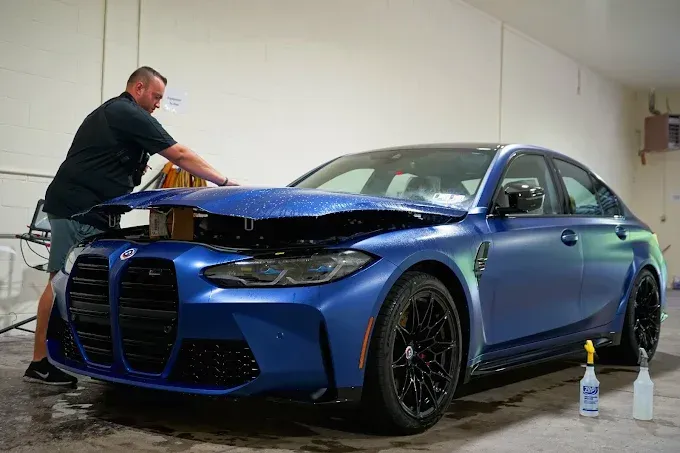
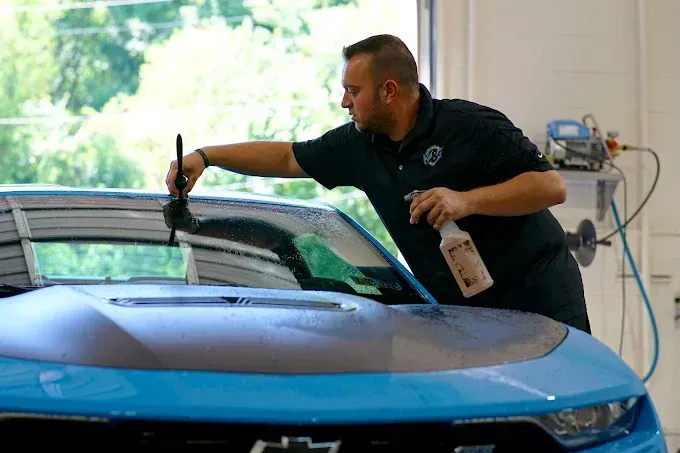
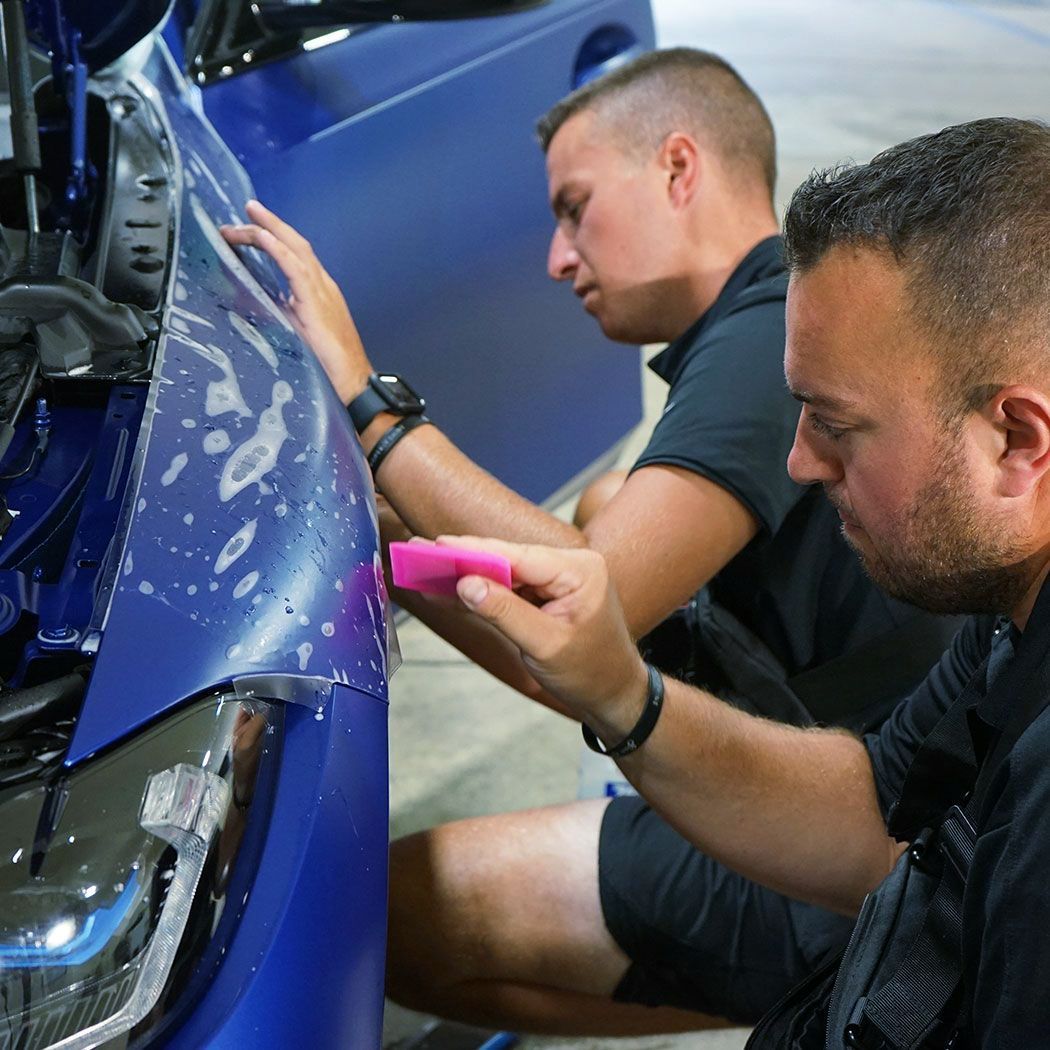
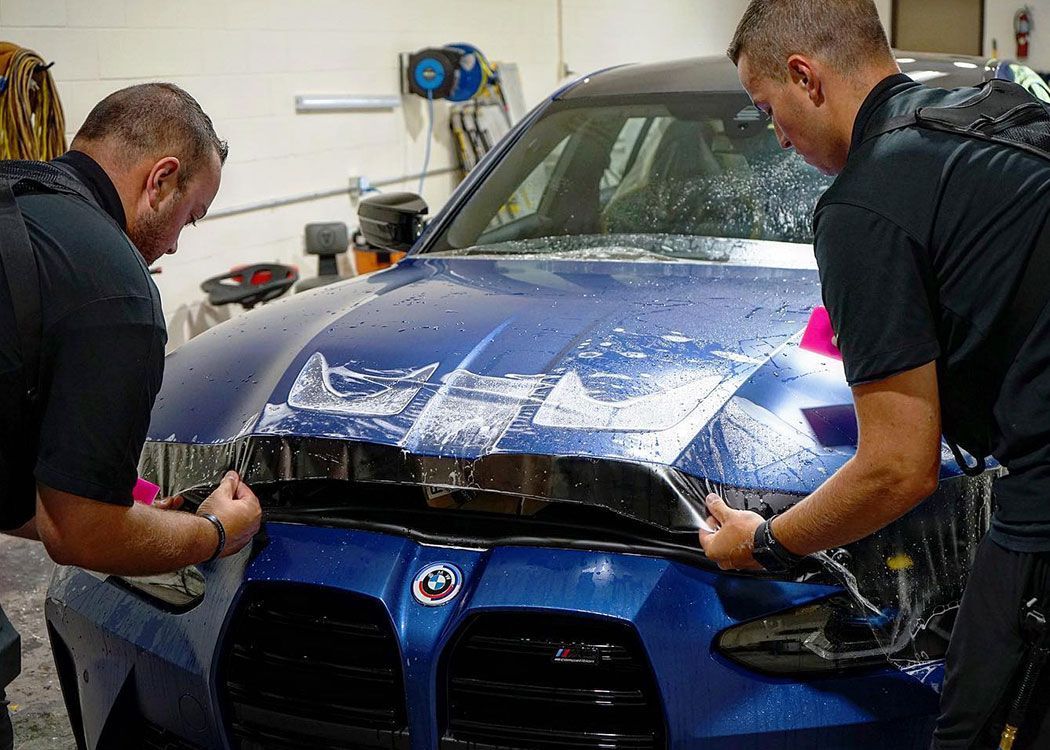
Applying paint protection film isn't simply a matter of sticking a clear layer onto your car and calling it done. The success of this protective barrier depends heavily on meticulous preparation and precision throughout the process. It starts with the surface itself; it must be absolutely spotless. Even a tiny grain of dust or a trace of oil can create spots where adhesion falters, leading to vulnerable patches that compromise your film's effectiveness. Professional installers spend significant time cleaning vehicles before installation, using pH-balanced shampoos for initial cleansing, followed by clay bar treatments designed to remove contaminants invisible to the naked eye. Finally, wiping down with isopropyl alcohol removes residual oils or waxes. Each step ensures the paint's surface becomes a perfectly smooth canvas primed for optimal bonding.
Once installed, caring for your paint protection film is essential to keep it performing well over the years. Wash your car regularly using a gentle, pH-neutral shampoo formulated specifically for car finishes. Harsh detergents can degrade the film's adhesive or dull its gloss. After washing, rinse thoroughly without leaving soap residue, as leftover detergent can attract dirt or interact negatively with the film's surface. Avoid automated car washes with stiff brushes or harsh chemicals, as they can cause micro-scratches or even lift the edges of the film. Instead, hand washing with soft microfiber mitts is gentler and helps prevent accidental damage.
Every six months, take time to closely examine your vehicle's film for signs of bubbles, peeling, or discoloration. These early indicators of wear often appear in high-stress points like bumpers, side mirrors, and door edges. When detected promptly, minor issues can often be fixed through professional touch-ups rather than full replacement. Using a wax specifically formulated for paint protection films adds a hydrophobic layer that repels water, dirt, and chemicals while enhancing gloss. General-purpose waxes often contain dyes or solvents that may degrade the film or reduce its clarity over time. This extra shield simplifies cleaning by causing contaminants to bead off more easily, reducing abrasion during subsequent washes.
Maximizing Long-Term Protection
The thickness of your paint protection film isn't just a number; it plays a crucial role in how long your car's paint stays flawless. Thicker films naturally offer greater resistance against scratches, chips, and environmental wear. But beyond thickness alone, how you care for that film daily can either preserve or prematurely degrade this layer of defense. Consider UV exposure: even the most resilient film can start to yellow or lose flexibility when subjected to constant harsh sunlight. That's why parking in shaded or covered areas isn't merely a convenience but a strategic choice to prolong your investment. When washing your car, gentle techniques become paramount. High-pressure washes, abrasive cloths, or unapproved solvents can cause microscopic abrasions on the film's surface that accumulate over time, dulling its shine and weakening its shield. Another key tip is swift removal of contaminants such as bird droppings or bug splatter. These substances contain acids that can etch through the film if left unattended. Promptly rinsing or gently wiping these off prevents them from setting in and compromising the film's integrity.
Additionally, scheduling professional inspections periodically, especially if your vehicle endures aggressive driving conditions or extreme climates, allows experts to spot early signs of wear or lifting edges that routine upkeep might miss. Avoid using harsh cleaning products that contain aggressive chemicals, as these can erode or dull the protective layer. Don't overlook small damages like chips or scratches, as what begins as a minor flaw often turns into a gateway for dirt and increased UV exposure. For complex applications on challenging vehicle parts, trust professional installers equipped with specialized tools and experience to guarantee smooth, precisely measured film placement. By combining careful product selection, meticulous application, and consistent maintenance, your automotive paint protection will provide lasting defense and keep your vehicle looking pristine for years to come.
Detail-Driven PPF Services in Haddonfield, NJ
When appearance matters,
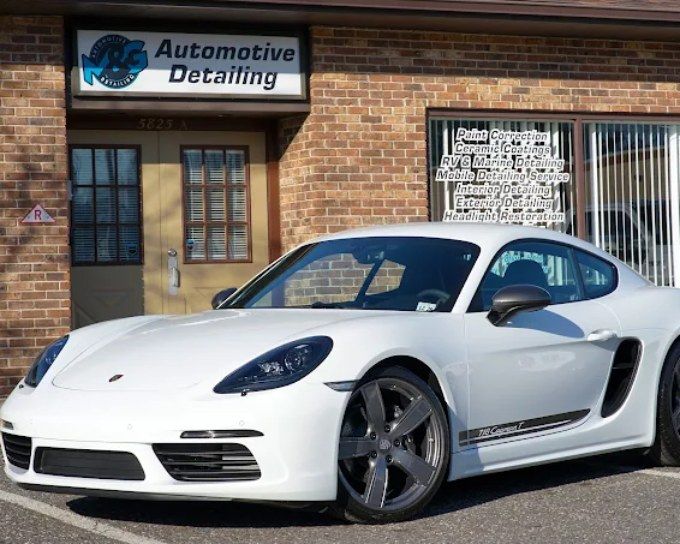
professionally installed paint protection film makes a noticeable difference. M&G Automotive Detailing applies PPF with a detail-focused approach that helps preserve your vehicle’s exterior while maintaining a smooth, consistent finish. This protective layer supports long-term paint clarity and helps reduce maintenance over time. If you want dependable paint protection tailored to your vehicle,
schedule a paint protection film service in Haddonfield, NJ today!