Why Controlled Conditions Matter in Auto Tint Application: Benefits and Best Practices
Getting a smooth, flawless tint on your car windows isn't just about picking the right film; it all comes down to the conditions when it's applied. You might assume tinting is a quick job you can do anywhere, but even tiny things like dust in the air or a bit of humidity can ruin the finish. That's why professionals swear by carefully controlled environments where temperature, moisture, and cleanliness are constantly monitored. This article dives into why those controlled conditions matter so much and how they help create tint jobs that look great and last longer. Controlled conditions are essential in auto tint application because they ensure a clean environment free of dust, debris, and moisture, which can cause imperfections like bubbles or peeling. Maintaining optimal temperature and humidity levels allows the adhesive to bond properly, resulting in a durable, flawless finish that professionals guarantee through their meticulous process.
The Importance of Controlled Conditions
Every aspect of tint application, from the moment the film touches the glass until it fully adheres, relies on stable conditions. Temperature, humidity, and cleanliness are not mere details; they fundamentally influence how well the adhesive bonds and how smooth the final finish appears. Ignoring these factors invites bubbles, peeling, and an uneven look that can quickly ruin both function and aesthetics.
Temperature Dynamics
Temperature acts as the thermostat for chemical reactions in the adhesive layer. Within the ideal range of 40°F to 80°F, the tint's adhesive activates just right, allowing it to settle evenly without rushing to dry or lingering too long in an inactive state. When temperatures climb above 90°F, heat causes the adhesive to cure prematurely. The film loses flexibility, stretching awkwardly and developing wrinkles or trapped air pockets that mar the appearance. Conversely, environments below 40°F slow curing dramatically; adhesives might remain tacky for days and lose their grip strength. Worse yet, moisture inside the film can freeze in cold weather, causing permanent blemishes.
Humidity Levels
Alongside temperature, humidity acts as another invisible hand shaping success or failure. When moisture saturates the air above 60%, it lingers beneath the film during application, preventing full drying and causing bubbling, a persistent problem for tint longevity. On the other hand, if humidity drops too low, static electricity builds up. This static effortlessly pulls in dust and microscopic particles unseen by the naked eye but painfully visible once sealed under tint. A balanced humidity range near 40–60% offers just enough moisture for proper bonding without excess water to interfere. Top-tier installers often maintain indoor facilities equipped with climate control systems, fine-tuning this balance daily, minimizing flaws and ensuring smoother cures.
Contaminant Control
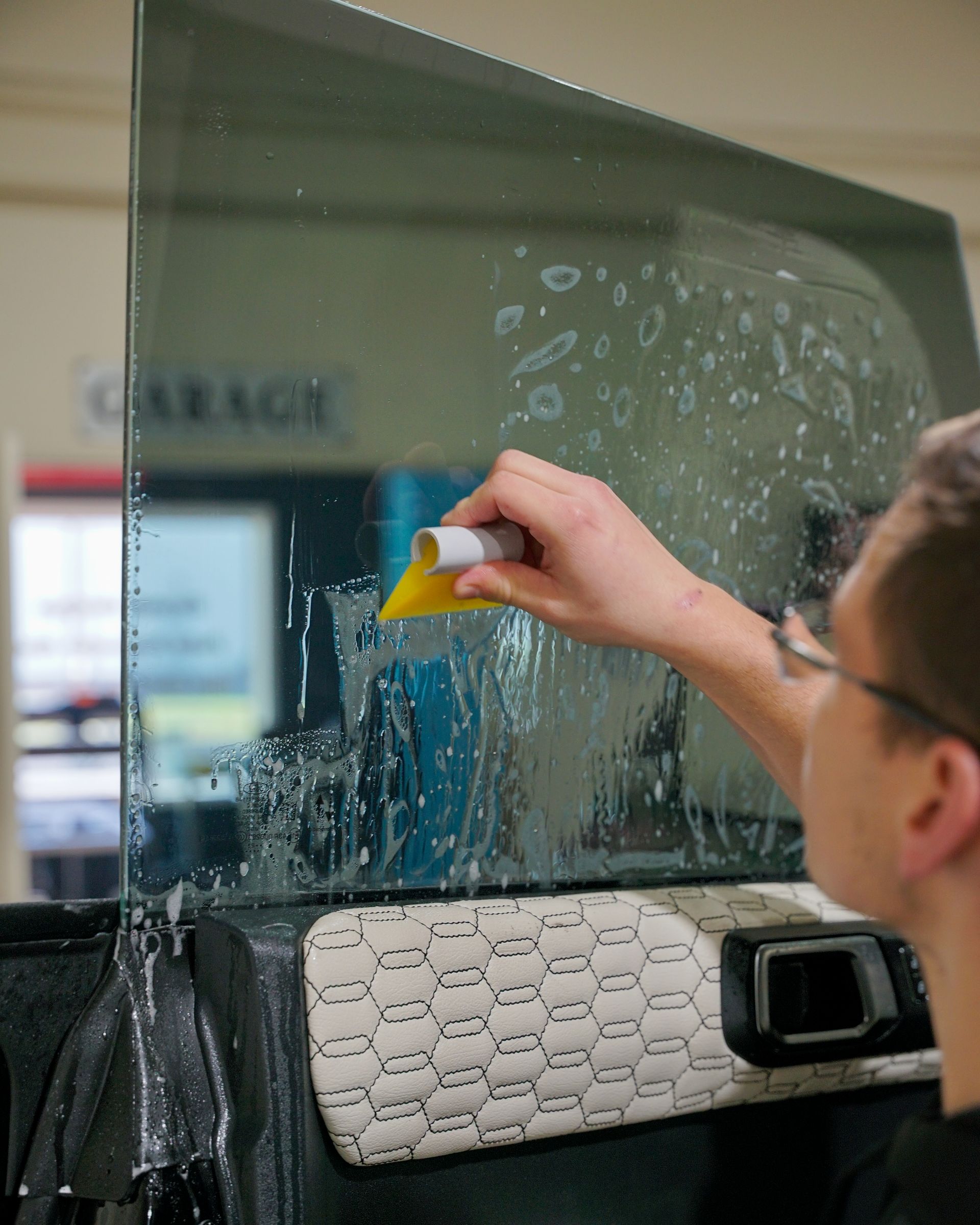
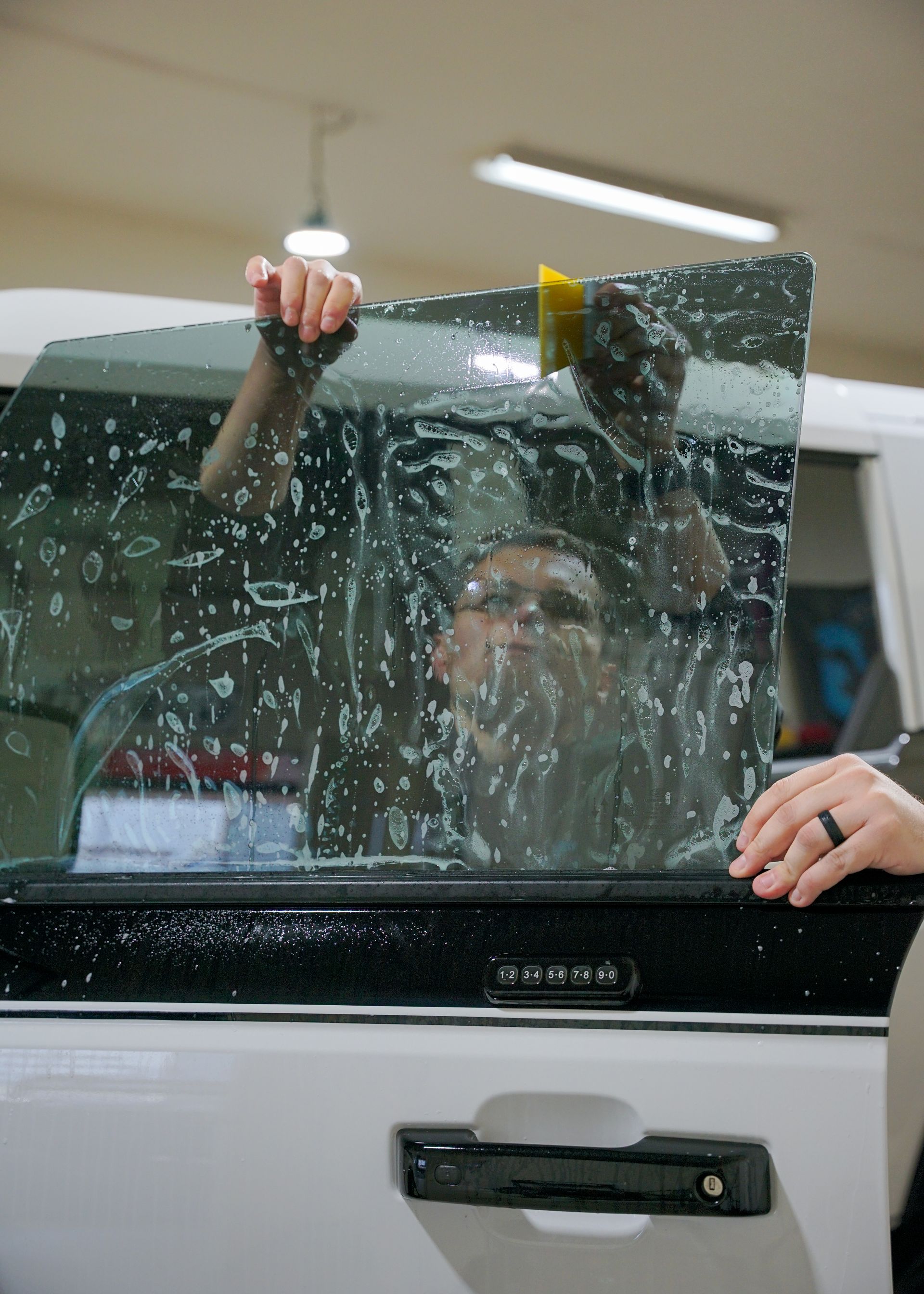
Even a single speck of dust trapped beneath freshly applied tint can create an eyesore that compromises its sleek finish. Professional shops use advanced filtration systems to reduce airborne particles down to nearly zero, maintaining cleanroom-like environments. Beyond filtering air, meticulous surface preparation is critical. Cleaning windows thoroughly before tint application prevents oils, residues, and dirt from causing lifting or bubbling later on. Experienced tinters emphasize that preparation accounts for the vast majority of success; flawless results stem less from fancy tools than from painstaking cleanliness paired with perfect environmental controls.
Enhancing Quality and Appearance
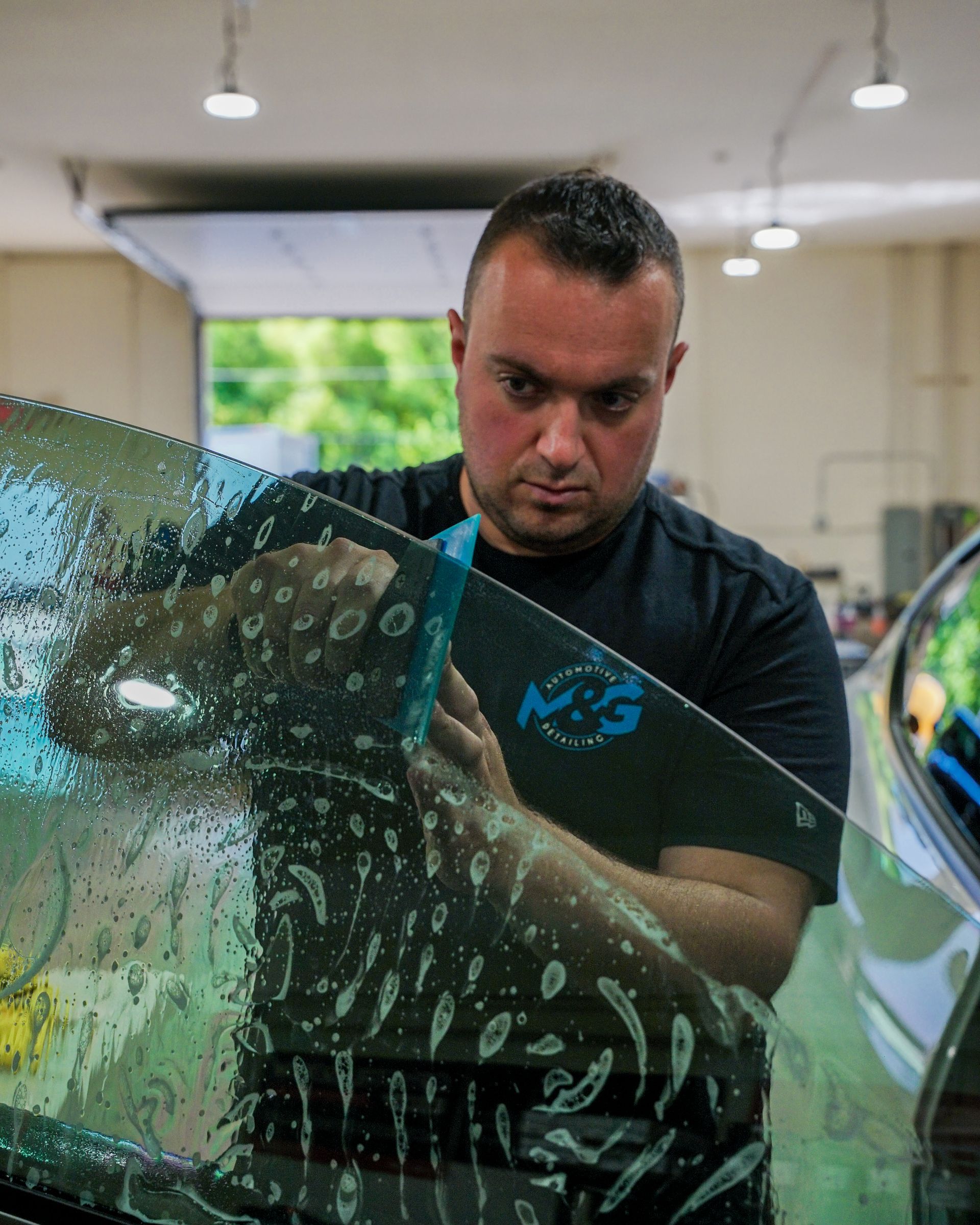
The magic of a flawless tint isn't just in the film itself but heavily depends on the environment during application. When tinting is done in a controlled, dust-free space, the result is consistently smooth surfaces without bubbles, specks, or streaks that spoil the finish. This polished look makes the tint appear almost like it came straight from the manufacturer: precise, sharp, and crystal clear. Contrast these advantages with outdoor installations where dust can settle unpredictably; no matter how skilled the installer, tiny imperfections creep in, often visible as little dots or faint streaks trapped beneath the film. Think about it as painting a canvas: if dust lands on wet paint, it becomes part of the artwork, unwanted and difficult to remove.
Similarly, for window tinting, even microscopic particles ruin that seamless look. It's why professional shops invest in cleanrooms or humidity- and dust-controlled spaces to ensure every pane gets that near-perfect coat of film. Beyond cleanliness, temperature and humidity play pivotal roles. In ideal climates (between 65°F and 75°F with relative humidity around 40–60%), the adhesive bonding sets evenly without rushing or dragging out curing times. This careful balance allows installers to adjust the film smoothly during application before it fully settles, minimizing wrinkles or uneven patches. This attention to detail brings the finished product closer to a factory-fit appearance, making aftermarket tint feel like an original feature rather than an add-on.
Advantages of Indoor Application
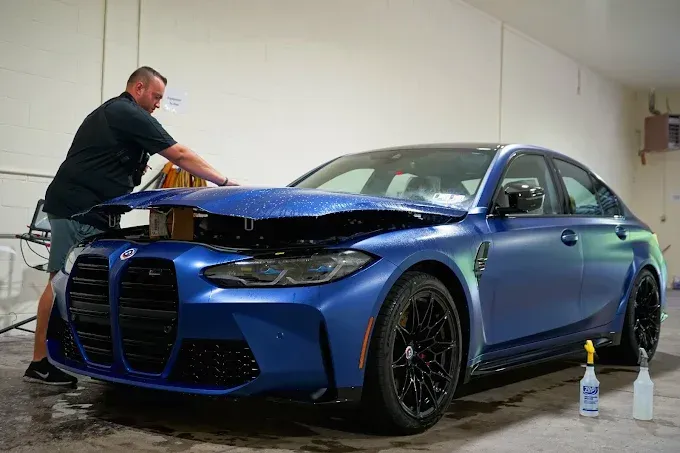
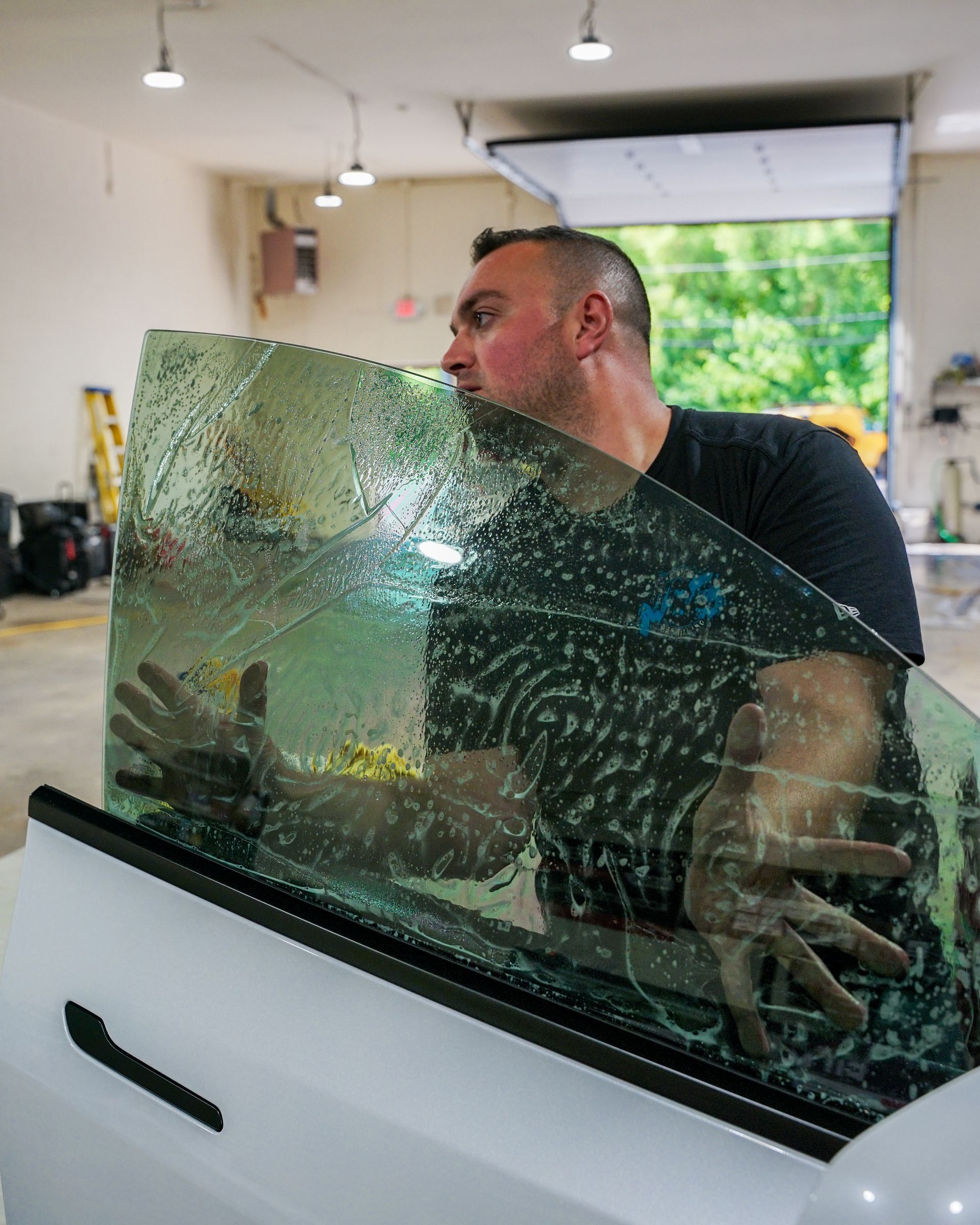
Applying window tint in an indoor setting immediately solves several challenges that outdoor environments pose. A primary concern during tinting is moisture; rain or even high humidity can subtly seep into the adhesive layer, causing bubbling and compromised adhesion later on. When tint is applied outside, even a light drizzle or lingering dampness can ruin hours of precise work. Indoors, this risk essentially disappears as climate control systems maintain stable humidity levels, allowing the adhesive to bond perfectly. Equally important is protection from the wind. Outdoor breezes carry not only dust but also tiny particles that are invisible to the naked eye yet are enough to become trapped beneath the film. These imperfections create bubbles and speckles that mar the smooth finish every professional aims for. An indoor environment greatly cuts down on airborne pollutants, which makes for a clean surface and a smooth installation.
Sunlight is another uncontrollable factor outdoors. Direct exposure during application accelerates drying at unpredictable rates, leading to uneven curing where some sections harden too quickly while shaded parts lag behind. Such situations can produce wrinkles or adhesion inconsistencies that shorten the life of your tint. Indoors, light exposure during installation is minimal or controllable, enabling technicians to manage drying time precisely and avoid premature film distortion. Indoor workshops equipped with climate control systems allow technicians to maintain temperatures around 65°F to 75°F and relative humidity near 40–60%, which are optimal conditions for both application and curing. Consistent indoor environments reduce curing time significantly, allowing quicker window operation post-installation without risking damage. Reputable shops report substantial reductions in tint bubbling and peeling when applications occur indoors versus outdoors, demonstrating how critical environmental control is to long-term quality.
Adhesive and Film Longevity
When it comes to making your window tint truly last, the adhesive's curing process plays the starring role. The bond that holds the tint film to your glass isn't instantaneous; it strengthens gradually over hours or days, depending on environmental factors. Controlled temperature and humidity stabilize this curing process, allowing the adhesive molecules to settle uniformly without rushing or stalling. Applying tint in an environment where temperatures hover consistently between 64°F and 75°F lets the adhesive form a robust bond, drastically reducing risks of peeling or bubbling later on. Low temperatures can slow curing considerably, turning what should be a smooth process into a prolonged ordeal. The adhesive remains tacky, vulnerable to dirt infiltration and mechanical stress.
On the other hand, excessive heat speeds drying but softens the film itself, creating wrinkles or stretched spots where the adhesion is weaker. These issues compound over time, shortening the tint's effective lifespan. Proper conditions can extend the film's reliability significantly, saving you substantial time and money on repairs or reapplications. While adhesives set the foundation, stability preserves your tint's functional essence: blocking harmful sunlight effectively over time. Films installed in consistent conditions during curing create a strong structure that lasts longer than those cured in uneven or outdoor settings. Controlled environments usually have shaded or indirect lighting during installation, which helps avoid early damage and supports an even curing process. Premium ceramic films hold up remarkably well under these ideal conditions compared to standard alternatives vulnerable to fading.
Professional Installation vs. DIY
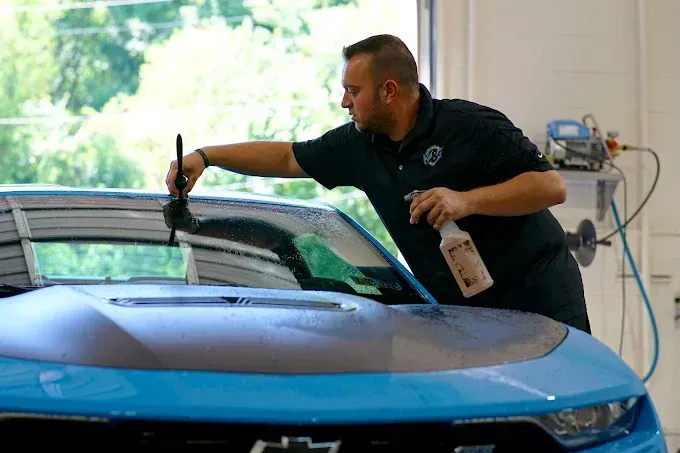
When it comes to tinting your car windows, many face the dilemma: tackle it yourself or hire a professional. The truth is, professional installers operate in highly controlled environments specifically designed to minimize dust, maintain optimal temperature and humidity, and use specialized tools that most enthusiasts don't have access to. This control over the work environment isn't just a luxury; it directly impacts how well the tint adheres to the glass and how long it will last without bubbling, peeling, or discoloration. Professional shops often boast clean, dust-free spaces with regulated climate controls. Their experience means they know how to prepare windows meticulously, which prevents imperfections under the film. Professionally installed tints typically remain flawless well beyond their warranty periods, reflecting not only premium materials but also the advantage of expert craftsmanship combined with an ideal workspace.
On the surface, DIY kits tempt with lower upfront costs and a sense of personal accomplishment. However, the reality often falls short. Home garages or driveways rarely provide dust-free conditions or stable temperatures required for flawless application. This scenario leads to issues like trapped air bubbles or uneven adhesion. Without professional training, even a minor misstep during preparation or installation can cause damage that requires costly repairs or complete replacement. Those initial savings quickly evaporate once you factor in rework or quality compromises. The choice hinges largely on your priorities: are you aiming for quick savings at some risk, or investing upfront for durable results? If you want window tints that not only enhance privacy and protect your car's interior but also maintain their sleek appearance for years, professional installation consistently offers better value. The combination of controlled conditions and expertise ensures that your tint performs at its best from day one and stays that way long-term. When it comes to protecting your investment in car tinting, experience paired with the controlled environments you find at professional shops makes all the difference between a beautiful finish and a costly mistake. Choosing professional installation leverages the benefits of controlled environments and skilled workmanship to deliver lasting quality.
Professional Window Tinting in Cherry Hill, NJ
M&G Automotive Detailing offers window tinting services that support comfort, protection, and a polished appearance. Our
expertly installed window films help manage heat, protect interior surfaces from sun exposure, and improve driving clarity in bright conditions. With careful attention to fit and finish, each vehicle receives a professional result built to last.
Book your window tinting service in Cherry Hill, NJ and enjoy daily drives with less glare and more comfort!