Surface Prep Techniques for Maximum Ceramic Coating Bonding: A Complete Guide
Ceramic coatings promise a glossy, long-lasting shield for your car's paint, but getting that perfect finish isn't just about the product itself. The secret lies in what you do before applying the coating, like prepping the surface carefully so the coating can truly stick and protect. Skipping or rushing this step is like trying to paint over dirt; no matter how good the paint, it won't hold or look right. In this guide, we'll walk through every step of surface preparation to help you get the best bond and a finish that lasts. For maximum ceramic coating bonding, start with a thorough wash using pH-neutral shampoo to remove dirt and contaminants, followed by chemical decontamination to eliminate bonded materials like tar or iron deposits. Next, perform a clay bar treatment to achieve an ultra-smooth surface, conduct paint correction as needed to remove imperfections, and finish with a solvent wipe-down to remove any residual oils or residues before applying the ceramic coating.
Essential Surface Preparation for Ceramic Coatings
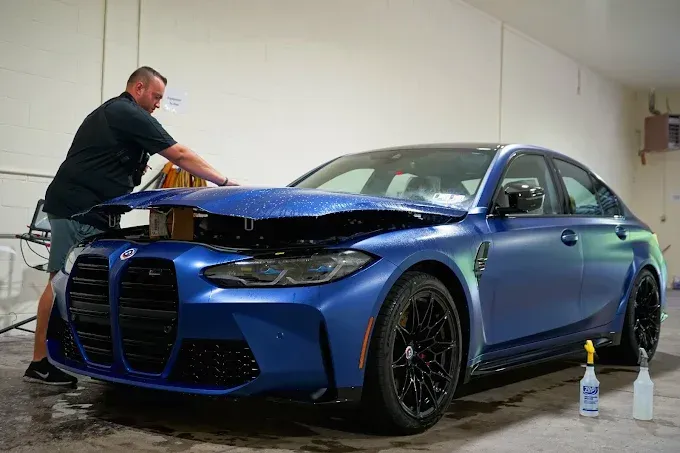
Achieving a flawless ceramic coating finish starts with meticulous preparation of the vehicle's paintwork. The first crucial task is a thorough visual inspection under powerful lighting. Using a high-intensity LED light source, you'll want to identify embedded contaminants and any surface imperfections. These issues aren't just cosmetic; they affect how evenly the coating bonds to the surface. If left untreated, microscopic debris or paint damage will be locked beneath the sealant, diminishing both appearance and protection. After identifying these critical spots, the next step involves removing loose dirt and grime without inflicting further damage. The initial rinse and wash phase uses a pressure washer or a hose with a strong nozzle to blast away dust and loose particles. This step prevents them from being rubbed into the paint during washing. Follow that with a gentle but thorough hand wash using a pH-neutral shampoo paired with a soft microfiber mitt. It's vital here to avoid harsh detergents or rough materials that could damage delicate surfaces. This careful approach lays the foundation for deeper prep by eliminating everyday contaminants while protecting factory paint finishes.
Once the major dirt is off, it's time to tackle stubborn contaminants embedded on and inside the paint's surface. The chemical decontamination stage addresses substances like tar, tree sap, iron particles, and industrial fallout, elements that cling tightly and won't budge with regular washing. Specialized products dissolve these contaminants without harming your paint's integrity. After the chemical treatment, using a clay bar or synthetic clay mitts gets rid of tiny stuck-on dirt, making the surface very smooth and ready for a new coat. Clay barring transforms what was rough or gritty into a silky smooth finish, a tactile sign your preparation is working. Now that contaminants are lifted, attention shifts to perfecting the paint surface itself. Paint correction is often necessary because ceramic coatings seal in whatever condition the paint is in when applied. Whether it's oxidation dullness caused by years of sun and weather exposure or minor surface imperfections, polishing removes these defects. Using dual-action polishers combined with appropriate compounds allows you to carefully refine the clear coat without damaging the base paint beneath. The goal is to restore clarity and gloss so that once coated, it looks visually stunning while being structurally protected at its best.
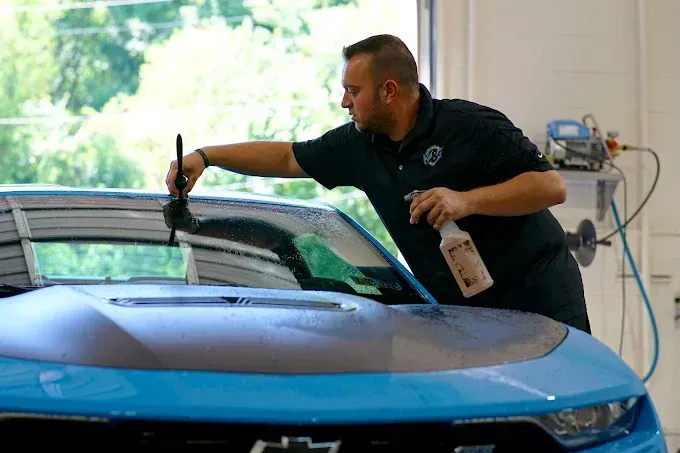
Before sealing this freshly cleaned and polished surface, final preparation ensures nothing interferes with bonding. A crucial last step is wiping down every panel with an isopropyl alcohol solution diluted around 10-15%. This removes oils left behind from polishing compounds and any other residues that water alone can't lift. This solvent wipe cleanses all invisible films that would otherwise block chemical bonding between coating molecules and your paint's surface. Ambient conditions during application also matter; maintaining moderate temperatures between 59°F and 77°F with humidity below 50% prevents issues during curing. Throughout each step, wearing nitrile gloves helps prevent transferring oils from your fingers back onto cleaned panels, a detail often overlooked but critically important for bonding. Furthermore, tailor each phase based on your car's paint condition: newer cars with pristine finishes might skip polishing entirely but still benefit from clay barring and solvent wiping.
Properly Cleaning Your Vehicle
The act of washing your car might seem simple, but when preparing for a ceramic coating, it demands precision and care to remove every trace of dirt without harming the surface. The goal is not just to make your vehicle look shiny but to create an immaculate canvas free from anything that could interfere with coating adhesion. Using the two-bucket method is a foundational technique in this pursuit. One bucket holds fresh soapy water, while the other contains clean water solely for rinsing your wash mitt. This process prevents grit and grime lifted from the paint from returning and causing damage to the surface.
For those looking to go beyond the basics, a foam cannon can be a game-changer. It blankets your car in thick soap suds, which cling to grime, breaking it down gently before you even touch the paint. Equally important is the choice of cleaning products and tools. Use a high-quality, pH-neutral shampoo to avoid stripping any protective layers already present. Avoid harsh detergents that promise extra-clean results but can erode these layers, making subsequent coating adhesion uneven or problematic. Pair that with a microfiber wash mitt; this traps dirt away from direct contact with paint during washing. Once you're confident all visible grime has been removed safely, drying becomes the next crucial step. After rinsing off all soap residue thoroughly, you want to dry using dedicated microfiber towels specifically designed for automotive use. These towels excel at absorbing water quickly without leaving behind lint or damage that lesser fabrics can cause. To reduce water spots, which occur when mineral-rich droplets evaporate and leave behind residue, blot rather than drag the towel across surfaces.
Removing Stubborn Contaminants
Removing contaminants embedded in the paint is crucial for achieving a smooth surface ready for ceramic coating. These impurities don't just sit loosely on your car's finish; they bond and embed, creating tiny obstacles that can prevent the coating from adhering properly. Left untreated, they can cause uneven coverage and reduce protection. Chemical decontamination means using special cleaners designed to break down tiny iron particles from brake dust and pollution, along with tough substances like tar or sap. These products work by chemically reacting with the contaminants, breaking them down so they can be safely rinsed away. Spraying the remover evenly across the car's surface and allowing it to dwell typically for about 5 to 10 minutes, depending on product instructions, gives it enough time to target these stubborn particles without affecting your paint. It's important not to rush this stage or skip thorough rinsing afterward.
After using the chemical treatment, it's important to use a clay bar to remove any leftover particles that the cleaning didn't get. The clay bar method physically removes contaminants that chemical treatments might not have fully dissolved. Proper lubrication through a dedicated clay bar lubricant or a mixture of water and car shampoo is key here. Lubrication minimizes friction and prevents unwanted damage while you gently rub the bar over the paint in smooth linear strokes. Regularly folding the clay inside out reveals fresh, uncontaminated clay that maximizes effectiveness. The result is a surface so sleek it feels almost glass-like under your fingers.
Benefits of Meticulous Surface Preparation
When it comes to ceramic coating, prep work is fundamental. Skipping or rushing through preparation may seem tempting, especially when you're eager to see that glossy finish, but surface prep is the backbone of a durable and effective coating. The ceramic coating chemically bonds with the vehicle's paint at a molecular level. Any oils, dirt, wax residues, or microscopic contaminants left on the surface act like barriers, preventing full bonding and creating weak spots where water and dirt can sneak underneath. By investing time in deep cleaning, washing thoroughly with pH-neutral shampoo, performing chemical decontamination to dissolve stubborn deposits like tar and iron particles, and using a clay bar to remove nearly invisible grime, you create an ideal canvas for your coating. This meticulous approach doesn't just improve bonding strength; it measurably increases the coating's lifespan. Coatings applied over properly prepped surfaces can last significantly longer compared to those applied over poorly prepared paintwork.
Moreover, proper prep improves hydrophobicity significantly. Water beads up and rolls off effortlessly, carrying away dirt and reducing water spotting. This benefit means your car stays cleaner for longer stretches between washes and requires less aggressive maintenance. For anyone applying ceramic coatings, never undervalue the prep stage. Whether you adjust your process to match your vehicle's condition, skipping polishing if defects are minimal or going full correction on older cars, the goal remains the same: provide your coating with a flawlessly clean and smooth base. That reliable foundation transforms the product from simple paint protection into a long-lasting shield against environmental wear, making meticulous preparation a crucial component of the ceramic coating process.
Top Ceramic Coating Installation in Cherry Hill, NJ
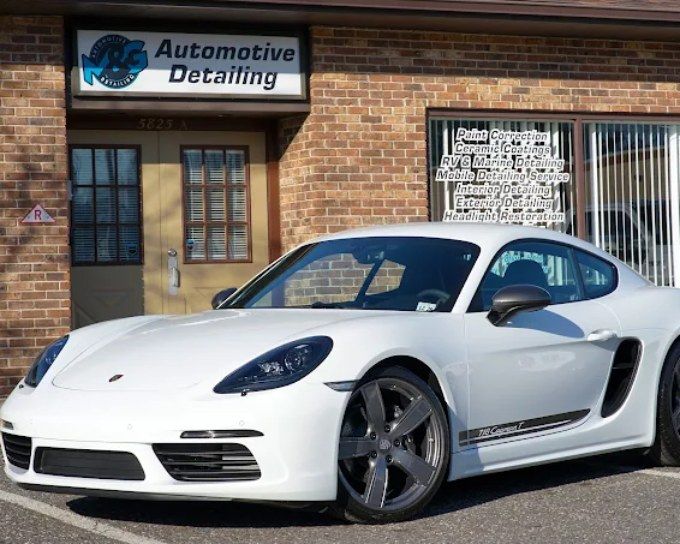
If you want your vehicle to maintain a deep gloss while staying easier to clean, M&G Automotive Detailing offers
professional ceramic coating services designed to protect and enhance your car’s finish. Their ceramic coatings form a durable, hydrophobic layer that helps guard against UV exposure, environmental contaminants, and daily buildup, reducing maintenance while preserving a refined appearance. Whether you drive a daily commuter or a prized luxury vehicle, their attention to detail ensures consistent results tailored to your needs.
Schedule your ceramic coating service with M&G Automotive Detailing in Cherry Hill, NJ and enjoy a finish that looks better for longer!